

5 Ways to Start the School Year Strong with Education Expert Jennifer Harris
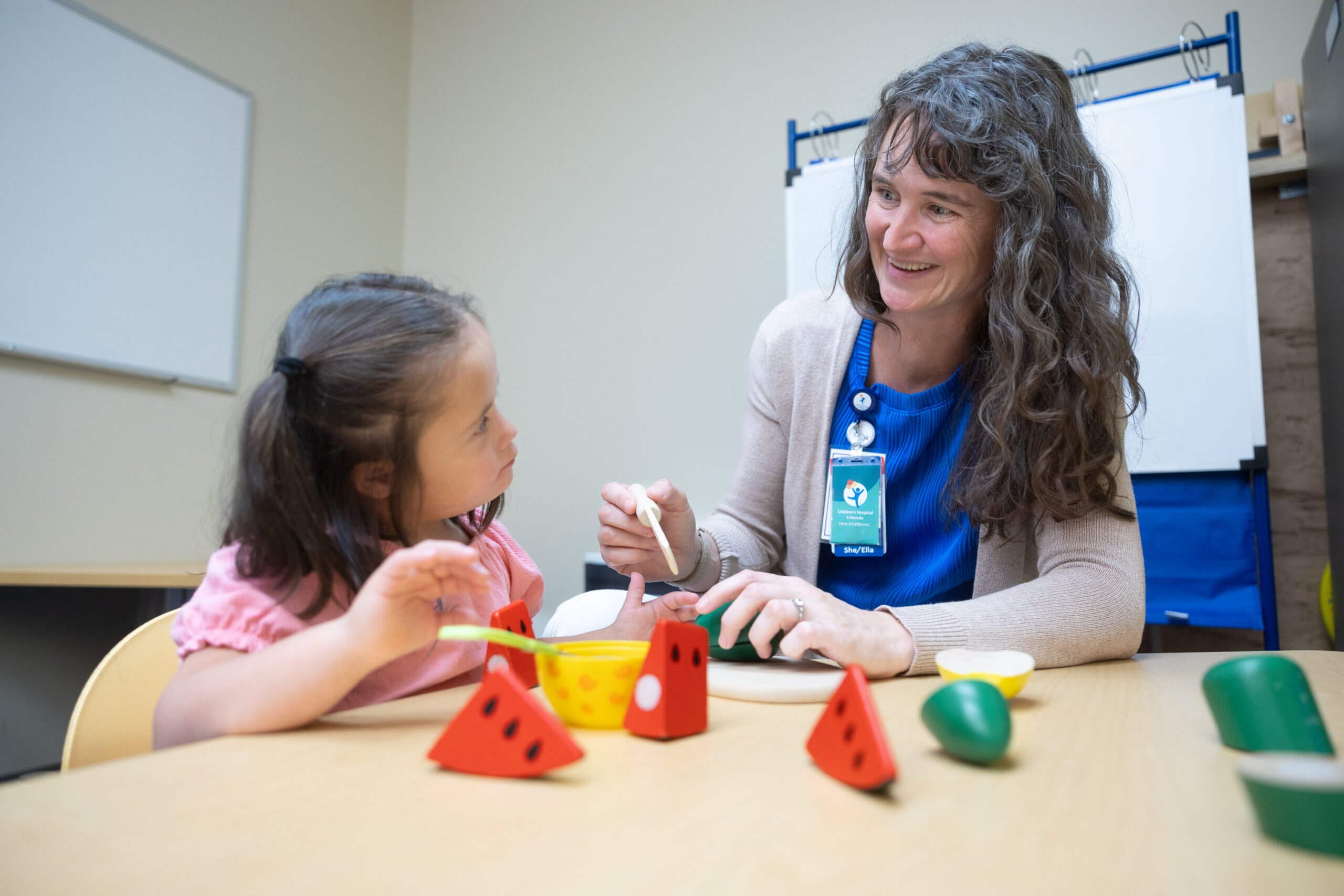
Article written by Jennifer Harris, MSE, Education Specialist at the Anna & John J. Sie Center for Down Syndrome at Children’s Hospital Colorado.
The Most Important School Supplies Aren’t in a Backpack
As families prepare for a new school year, it’s easy to focus on backpacks, school supplies, schedules, and IEPs. Those things matter. But some of the most important tools for a successful year can’t be purchased in a store.
A new school year can bring a mix of emotions. Alongside excitement and anticipation, many families worry whether their child will be understood, included, supported, and safe. Those feelings are real, and you are not alone.
While we can’t control every aspect of the school experience, we can build relationships, strengthen communication, and create a team prepared to support our children. The strongest foundations for school success are built through relationships, communication, self-advocacy, and a team that understands your child beyond a diagnosis. Whether your child is entering preschool, starting middle school, or heading back for another year, these five strategies can help set the stage for a positive and meaningful school year.
1. Build Relationships Before You Need Them
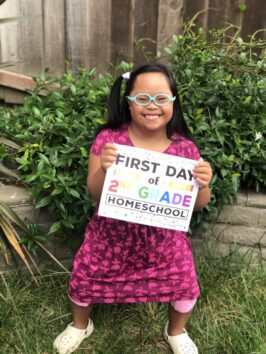
One of the best ways to start the school year is by building relationships with the people who support your child. Teachers, therapists, paraprofessionals, bus staff, and administrators are all important members of your child’s team. When relationships are established early, it becomes much easier to navigate challenges that may arise later.
Reach out with a short introduction and share your excitement for the year. Starting from a place of connection helps build trust and collaboration.
If your child is a returning student, you may have strong feelings based on previous experiences. Those feelings are valid. While we can’t change the past, a new school year creates opportunities for new conversations and stronger partnerships.
Remember: the strongest school teams aren’t built during difficult moments—they are built long before those moments occur.
 |
 |
 |
2. Share Your Child’s Strengths First
When introducing your child to educators, it can be tempting to begin with support needs, accommodations, or concerns. While those things are important, they shouldn’t be the first thing people learn about your child. Start with who your child is.
What makes them laugh? What are their interests? What are they proud of? What motivates them? What do they love talking about?
And whenever possible, find ways to help your child participate in sharing that information. Some children may enjoy recording a video, selecting photos, creating an “About Me” page on their AAC device, or using gestures, pictures, or objects to share what is important to them. Focus less on the format and more on the message: “This is who I am.”
3. Establish Communication Early
Strong communication between home and school is one of the greatest predictors of a successful school year. Rather than waiting until a concern arises, talk early about how communication will happen. Will you use email? A communication notebook? A digital app? Scheduled check-ins?
Just as importantly, think about how your child can participate in that communication. Could they help choose something to share about their day? Use pictures, a communication device, drawings, or a simple rating system to tell you about school? Does the communication system create opportunities for your child to participate?
 Communication should not only focus on problems. Sharing successes, friendships, accomplishments, and funny moments helps everyone stay connected and focused on progress.
Sometimes school and home have different ideas on what could or should be shared. Have a conversation about what is a “need to know” versus a “nice to know” versus a “don’t want to know”
4. Give Your Child a Voice in Their Own School Year
One of the greatest gifts we can give our children is the opportunity to develop self-advocacy skills. Self-advocacy is not about doing everything independently. It is about helping children understand that their voice matters. Encourage your child to make choices, share preferences and interests, ask for help, express boundaries, and communicate when something is difficult.
Every child communicates, even if they do not use spoken language. Some children communicate through sign language, AAC, gestures, facial expressions, body language, or behavior. All communication deserves to be acknowledged and respected.
Include your child in conversations about their education whenever possible. Ask what they are excited about this year. What would they like to learn? What are they nervous about? What helps them feel successful? These everyday opportunities help children build confidence, agency, and self-determination over time.
5. Celebrate Growth, Not Comparison
As the year unfolds, it can be easy to compare your child’s progress to classmates, siblings, even other kids with Down syndrome, or expectations you may have had. Don’t.
For one student, success may be reading a new book independently. For another, it may be walking into the classroom without anxiety or using AAC to tell a friend, “Can I play too?” for the first time.
All of those accomplishments matter. Growth is not measured by how closely a child follows someone else’s timeline. Growth is measured by progress, confidence, participation, and joy.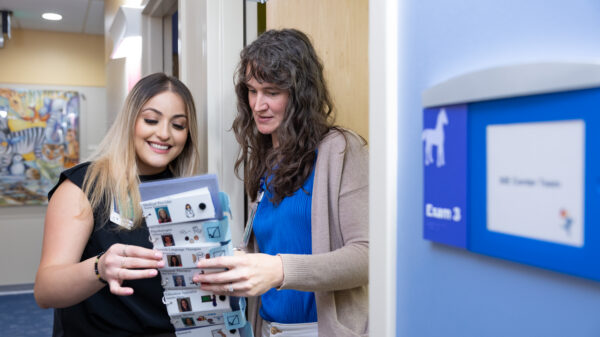
Celebrate every victory. Often, the moments that seem small to others represent tremendous effort, courage, and perseverance.
Final Thought
As you prepare for a new year, remember that the most important school supplies aren’t found in a backpack. They are relationships. They are communication. They are self-advocacy. They are trust. And they are a team that sees your child as a whole person with strengths, interests, dreams, and contributions to make.
When we start there, we create more than a successful school year—we create opportunities for children to learn, participate, belong, and thrive.
No school year will be perfect. There will be challenges and successes. But every child deserves a team that believes in them, listens to them, and creates opportunities to belong.
When children are given opportunities to communicate, make choices, contribute, and be known for who they are, they build something that lasts far beyond a single school year: the confidence that their thoughts, beliefs, preferences, and contributions matter.
Want to Learn More from Education Specialist Jennifer Harris? Make an appointment at the Sie Center today!
Recent Posts
- A Roadmap for Families: Expanding Access to Down Syndrome Health Information in Ukraine
- GLOBAL Announces 2026 Education Awards to Advance Down Syndrome Research, Medical Care, and Healthcare
- 5 Ways to Start the School Year Strong with Education Expert Jennifer Harris
- Exclusive Interview with the DSA of Southern New Jersey’s Co-Executive Directors #2
- U.S. Senate Passes DeOndra Dixon INCLUDE Project Act
 Experience our inspirational and groundbreaking videos and photos. Our children and self-advocates are beautiful AND brilliant!
 Make sure your local Representatives are on the Congressional Down Syndrome Task Force.