

GLOBAL Webinars

Promising Results from The First Down Syndrome
Regression Disorder Clinical Trial and Upcoming Clinical Trial Opportunities
Tuesday, October 13, 2026
12pm – 1:15pm MT
GLOBAL Webinars are an important benefit for our Members. Held quarterly, these 1+ hour-long webinars cover topics across the lifespan. Webinars are FREE for GLOBAL Members and $10/webinar for non-Members. If you have a family member or dear friend with Down syndrome, this webinar is for you!
In this session, Dr. Espinosa:
- Reviewed promising findings from the recently completed Down Syndrome Regression Disorder trial
- Answered your questions surrounding past, current, and upcoming clinical trials
- Discussed upcoming clinical trial opportunities, including MISSION-1
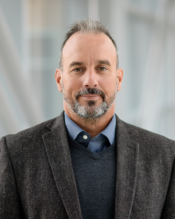 Joaquín Espinosa, PhD
Dr. Espinosa is the Executive Director of the Linda Crnic Institute for Down Syndrome and Professor of Pharmacology at the University of Colorado School of Medicine. Dr. Espinosa directs a diverse research program with emphasis on Down syndrome that is supported by the NIH INCLUDE Project and the Global Down Syndrome Foundation. At the Crnic Institute, Dr. Espinosa directs the Human Trisome Project, a detailed natural history study of the population with Down syndrome, which has enabled the design of novel clinical trials to improve health outcomes in Down syndrome. Dr. Espinosa currently serves as the Leader of the Administrative and Outreach Core of the NIH INCLUDE Project Data Coordinating Center, a new data resource that aims to accelerate discoveries into the mechanisms underlying the increased risk of co-occurring medical conditions in people with Down syndrome.
In case you missed it…
Supporting Communication Development in Children with Down Syndrome: Partnering with your Pediatrician
Dr. Noemi Spinazzi
Listen and Learn: Unlocking Potential through Healthy Hearing Across the Lifespan in People with Down Syndrome
Dr. Heather Porter
Practical Tips to Support Common Behavioral Challenges in School Aged Children with Down Syndrome
Dr. Lina Patel

Save The Date – Upcoming Webinars
Wednesday, January 20, 2027
GLP-1 Medications and Down Syndrome: What Individuals, Families, and Providers Need to Know
Lauren T. Ptomey, PhD, RD, LD and Lauren Wang, MD, FAADM
Wednesday, April 14, 2027
Vision and Eye Health in Individuals with Down Syndrome
Ann Ostrovsky, MD

The Family-Friendly version of our groundbreaking GLOBAL Medical Care Guidelines for Adults with Down Syndrome is available NOW!
FOR FAMILIES:
Request Printed Copies!
FOR CLINICIANS:
Download Our Version for
Medical Professionals Today
GLOBAL WEBINARS – MAKING AN IMPACT
10,156
Individuals Educated
51
Expert Speakers
50
States Participated
60
Countries Reached
70,000+
Webinar Pageviews
Q&A WITH OUR EXPERTS – A VALUABLE MEMBERSHIP BENEFIT
SLEEP APNEA ACROSS THE LIFESPAN
IN PEOPLE WITH DOWN SYNDROME
Q: How does one define moderate vs severe sleep apnea? What percent in oxygen saturation during OSA episodes is the average range?
A: They are defined based on the obstructive apnea hypopnea index, which is the number of obstructive episodes during sleep divided by the hours of sleep. Many patients experience drops in oxygen saturation during obstructive episodes. These drops are variable and range from very mild to severe down to 60-70%.
DOWN SYNDROME REGRESSION DISORDER: THE LATEST RESEARCH AND PROMISING TREATMENTS
Q: What age are you seeing regression symptoms starting?
A: I think that when we’ve looked at our population level data, the mean age at onset is about 18. We see a heavy clustering in the late teen years, early twenties, and the reason why we’ve come up with this particular age range is because younger than 10, the chances that this may be autism or some other biochemical or genetic phenomenon is much higher. And similarly, over 30 is where we start to kind of bridge that gap into early onset Alzheimer’s, although that is still very young.
Your Library of GLOBAL Webinars & Experts
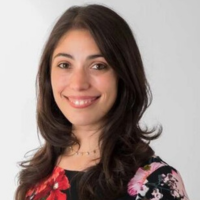
PEDIATRIC
Noemi Spinazzi, MD
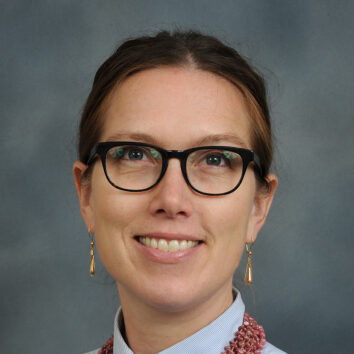
ACROSS THE LIFESPAN
Heather Porter, AuD, PhD
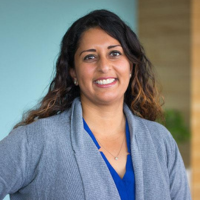
PEDIATRIC
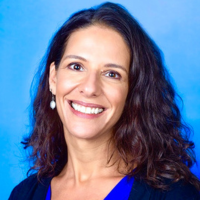
Lina Patel, PsyD
Practical Tips to Support Common Behavioral Challenges in School Aged Children with Down Syndrome
PEDIATRIC
Nicole Baumer, MD, MEd
Early Development and Behavior in Down Syndrome: Updates in Research and Strategies for Success
ACROSS THE LIFESPAN
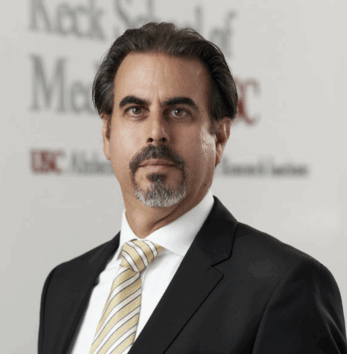
Michael S. Rafii, MD, PhD
New Clinical Trials Targeting Alzheimer’s Disease in People with Down Syndrome

ACROSS THE LIFESPAN
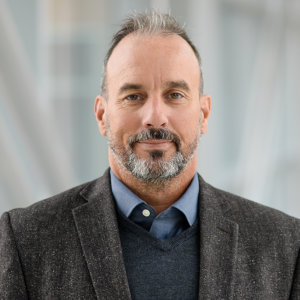
Arvind Hoskoppal, MD
Congenital Heart Disease: What You Need to Know Through the Lifespan
ACROSS THE LIFESPAN
Joaquín Espinosa, PhD
Stopping the Autoimmune Attack in Down Syndrome: New Breakthroughs and Clinical Trials
ACROSS THE LIFESPAN
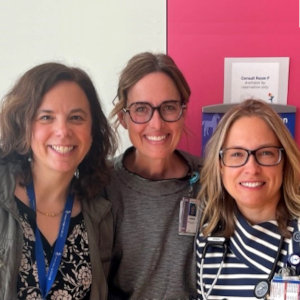
Dr. Emily DeBoer, Arwen Jackson & Jennifer Maybee
How to Manage Swallowing Issues in Children with Down Syndrome

ACROSS THE LIFESPAN
Dr. Kishore Vellody
What Families Need to Know! A Pediatrician’s Tips for Understanding Common Lab Results
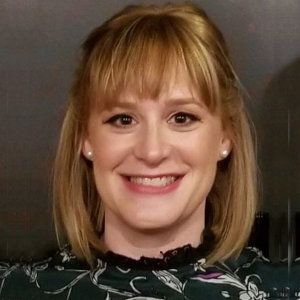
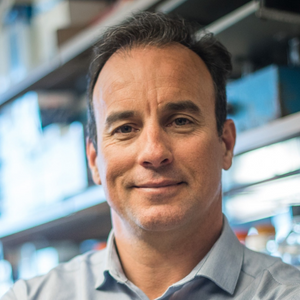
ACROSS THE LIFESPAN
Dr. Joaquín Espinosa
An Important Update on Groundbreaking Clinical Trials & Research for People with Down Syndrome

ACROSS THE LIFESPAN
Drs. Leonard Abbeduto & Angela Thurman
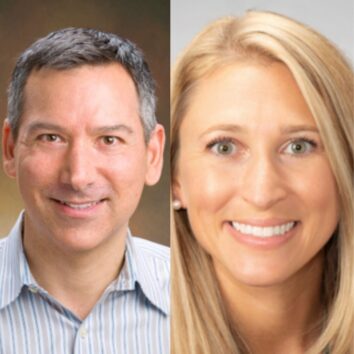
ACROSS THE LIFESPAN
Drs. Ignacio Tapia & Rachel Whelan
Sleep Apnea Across the Lifespan in People with Down Syndrome

ACROSS THE LIFESPAN
Drs. Steven Perlman & Marc Ackerman
Dental Care Across the Lifespan of Patients with Down Syndrome
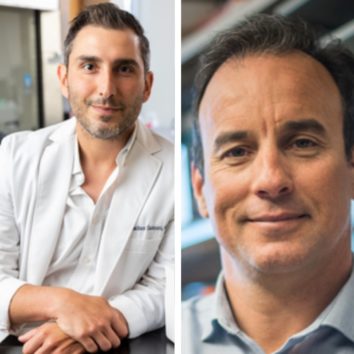
ACROSS THE LIFESPAN
Drs. Joaquín Espinosa & Jonathan Santoro
Down Syndrome Regression Disorder: The Latest Research and Promising Treatments
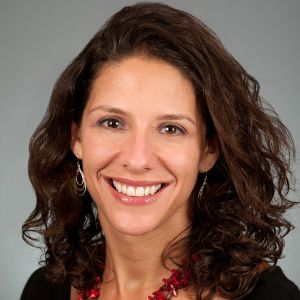
PEDIATRIC
Dr. Nicole Baumer, MEd
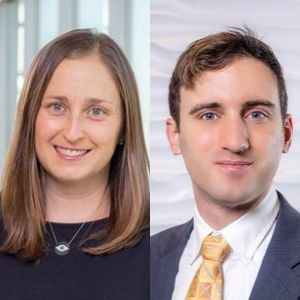
ACROSS THE LIFESPAN
Drs. Emily McCourt & Michael Puente
Eye Research & Eye Care for Individuals with Down Syndrome Across the Lifespan

PEDIATRIC
Drs. Lina Patel & Debbie Fiddler
Executive Function Skills in Everyday Life: From Research to Intervention
ACROSS THE LIFESPAN
Dr. Joaquín Espinosa

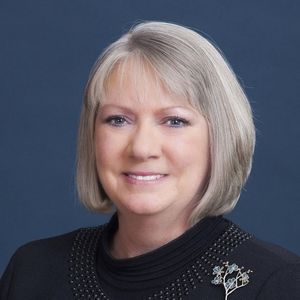
PEDIATRIC
Dr. Karen Remley
How the CDC Supports People with Down Syndrome & An Update on COVID-19 Vaccinations
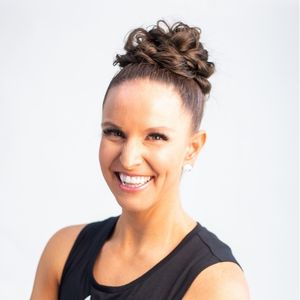
TEEN & ADULT
Dr. Sarah Mann
Strength, Stability, Balance, and Endurance: Purposeful PT for Teens and Adults with Down Syndrome
ADULT
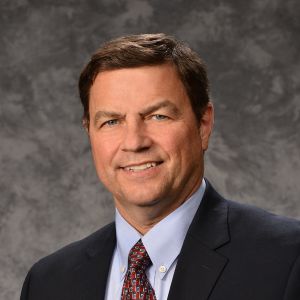
Dr. Brian Chicoine & Guideline Co-Authors
ACROSS THE LIFESPAN
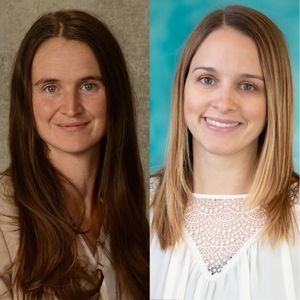
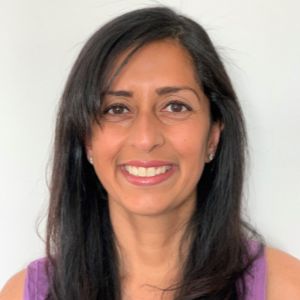
Dr. Lina Patel, PsyD
CPAP, Hearing Aids, & Glasses, Oh My! How to Help my Child & Adult Wear their Medical Equipment

PEDIATRIC
Dr. Francis Hickey
Pediatric Medical Care Guidelines for Down Syndrome: What Families Need to Know

ACROSS THE LIFESPAN
Michelle Sie Whitten, MA & Kevin Brennan
Self-Advocates Win Landmark Federal Funding for Research: Join GLOBAL – Join the Movement

ACROSS THE LIFESPAN
Dr. Michael Yeager
Take A Deep Breath: Lung Infection & Cognition in Down Syndrome
PEDIATRIC
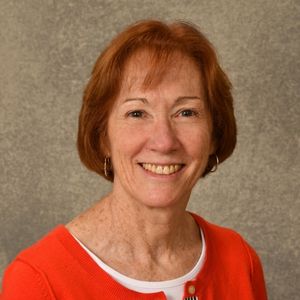
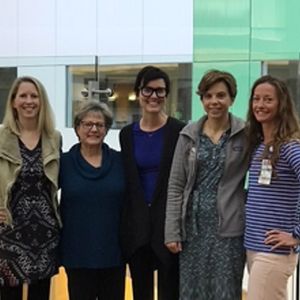
Patricia C. Winders, PT

ADULT
Dr. Huntington Potter & Bryn Gelaro, LSW
Supporting Aging Adults with Down Syndrome and Alzheimer’s Disease
PEDIATRIC
Sie Center Specialists
Developing an Individualized Feeding Plan for Your Child with Down Syndrome
ACROSS THE LIFESPAN
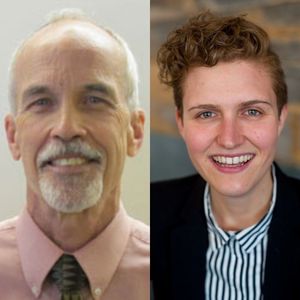
Dr. Joaquín Espinosa
ADULT
Dr. Dennis McGuire & Bryn Gelaro, LSW
Promoting Skills to Survive & Thrive in the Teen & Adult Years
PEDIATRIC
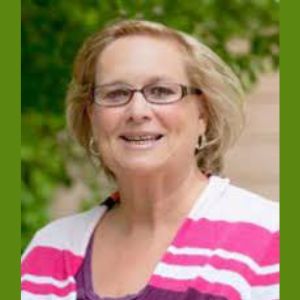
Kathleen Mays, MS, CCC-SLP
Multimodal Approach to Teaching Children with Down syndrome Speech & Language Skills
Important Notice
The Global Down Syndrome Foundation’s employees and/or volunteers are NOT acting as your medical professional or attorney. Responses you receive via electronic mail, phone, or in any other manner DO NOT create or constitute a doctor-patient or attorney-client relationship between you and the Global Down Syndrome Foundation (GLOBAL), or any employee of, or other person associated with, GLOBAL.
Information received from GLOBAL’s employees or volunteers, or from this website, should NOT be considered a substitute for the advice of a medical professional or lawyer. GLOBAL DOES NOT provide any medical or legal advice. You should consult with your own doctor or lawyer for medical or legal advice. This website is a general service that provides information over the internet. The information contained on this website is general information and should not be construed as medical advice to be applied to any specific factual situations.
 English
  Albanian
  Bengali
  Chinese
  French
  Hindi
Hindi  Italian
  Japanese
  Russian
  Spanish (Chile)
  Spanish (Mexico)
  Swahili
  Ukrainian