

Webinar GLOBALI

GLP-1 Medications and Down Syndrome:
What Individuals, Families, and Providers Need to Know
Wednesday, January 20, 2027
12pm – 1:15pm MT
GLOBAL Webinars are an important benefit for our Members. Held quarterly, these 1+ hour-long webinars cover topics across the lifespan. Webinars are FREE for GLOBAL Members and $10/webinar for non-Members. If you have a family member or dear friend with Down syndrome, this webinar is for you!
In this session, Drs. Ptomey and Wang will discuss:
- How GLP-1 medications work, including their effects on appetite, weight, blood sugar, and overall health
- What we know, and what we still need to learn, about GLP-1 medications in people with Down syndrome, including current evidence, potential benefits, and knowledge gaps
- Potential risks, side effects, and practical considerations, including nutrition, physical activity, gastrointestinal symptoms, and monitoring
- How GLP-1 medications fit into a comprehensive approach to health, emphasizing the continued importance of healthy eating, physical activity, and individualized medical care
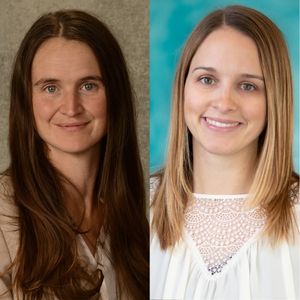
 Lauren Ptomey, PhD, RD, LD
Dr. Ptomey is an Associate Professor in the Department of Internal Medicine at the University of Kansas Medical Center and Director of the Brain Health in Down Syndrome Program at the University of Kansas Alzheimer’s Disease Research Center. She is a registered dietitian and NIH-funded investigator whose research focuses on healthy aging, obesity treatment, physical activity, and Alzheimer’s disease prevention in individuals with Down syndrome and other intellectual and developmental disabilities. Dr. Ptomey has led multiple clinical trials evaluating remotely delivered lifestyle interventions and is currently investigating how nutrition, exercise, and weight management may improve brain health and reduce Alzheimer’s disease risk in adults with Down syndrome.
 Lauren Wang, MD
Dr. Wang is an Associate Professor in the Department of Family and Community Medicine at the University of Cincinnati, Center Director of UC Health’s Timothy Freeman, MD, Center for Developmental Disabilities (Freeman Center), and primary care physician. Dr Wang spearheaded the creation of the Freeman Center in January 2022 in response to the significant health inequity both locally and nationally for adults with DD who have aged out of the pediatric health system. The Freeman Center is a national leader in providing person-centered, coordinated care for adults with DD. Dr Wang serves on the Board of Directors for the National Down Syndrome Society. She has presented locally and nationally on topics of transition from the pediatric to adult healthcare system, collaborative care models, and the Freeman Center.
In case you missed it…
Promising Results from The First Down Syndrome Regression Disorder Clinical Trial and Upcoming Clinical Trial Opportunities
Dr. Joaquín Espinosa
Supporting Communication Development in Children with Down Syndrome: Partnering with your Pediatrician
Dr. Noemi Spinazzi
Listen and Learn: Unlocking Potential through Healthy Hearing Across the Lifespan in People with Down Syndrome
Dr. Heather Porter

Save The Date – Upcoming Webinars
Wednesday, January 20, 2027
GLP-1 Medications and Down Syndrome: What Individuals, Families, and Providers Need to Know
Lauren T. Ptomey, PhD, RD, LD and Lauren Wang, MD, FAADM
Wednesday, April 14, 2027
Vision and Eye Health in Individuals with Down Syndrome
Ann Ostrovsky, MD

La versione per famiglie delle nostre innovative linee guida globali per l'assistenza medica agli adulti con sindrome di Down è disponibile ora!
PER LE FAMIGLIE:
Request Printed Copies!
PER I MEDICI:
Download Our Version for
Medical Professionals Today
GLOBAL WEBINARS – MAKING AN IMPACT
10,615
Individuals Educated
51
Expert Speakers
50
States Participated
61
Countries Reached
70,000+
Webinar Pageviews
Q&A WITH OUR EXPERTS – A VALUABLE MEMBERSHIP BENEFIT
SLEEP APNEA ACROSS THE LIFESPAN
IN PEOPLE WITH DOWN SYNDROME
Q: How does one define moderate vs severe sleep apnea? What percent in oxygen saturation during OSA episodes is the average range?
A: They are defined based on the obstructive apnea hypopnea index, which is the number of obstructive episodes during sleep divided by the hours of sleep. Many patients experience drops in oxygen saturation during obstructive episodes. These drops are variable and range from very mild to severe down to 60-70%.
DOWN SYNDROME REGRESSION DISORDER: THE LATEST RESEARCH AND PROMISING TREATMENTS
Q: What age are you seeing regression symptoms starting?
A: I think that when we’ve looked at our population level data, the mean age at onset is about 18. We see a heavy clustering in the late teen years, early twenties, and the reason why we’ve come up with this particular age range is because younger than 10, the chances that this may be autism or some other biochemical or genetic phenomenon is much higher. And similarly, over 30 is where we start to kind of bridge that gap into early onset Alzheimer’s, although that is still very young.
Your Library of GLOBAL Webinars & Experts

ACROSS THE LIFESPAN
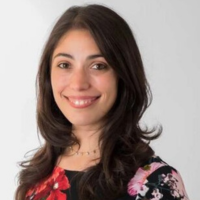
Joaquín Espinosa, PhD
PEDIATRIC
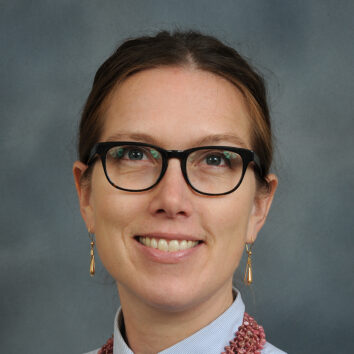
Noemi Spinazzi, MD
ACROSS THE LIFESPAN
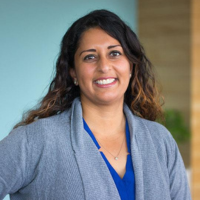
Heather Porter, AuD, PhD
PEDIATRIC
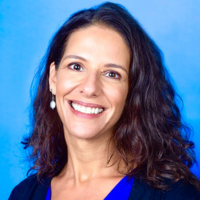
Lina Patel, PsyD
Practical Tips to Support Common Behavioral Challenges in School Aged Children with Down Syndrome
PEDIATRIC
Nicole Baumer, MD, MEd
Early Development and Behavior in Down Syndrome: Updates in Research and Strategies for Success
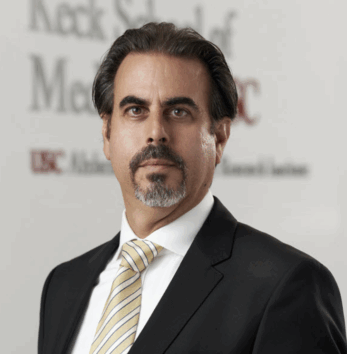
ACROSS THE LIFESPAN
Michael S. Rafii, MD, PhD
New Clinical Trials Targeting Alzheimer’s Disease in People with Down Syndrome

ACROSS THE LIFESPAN
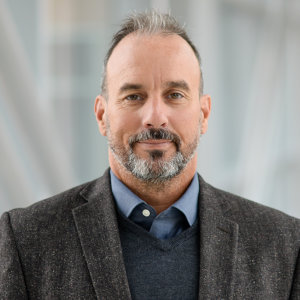
Arvind Hoskoppal, MD
Congenital Heart Disease: What You Need to Know Through the Lifespan
ACROSS THE LIFESPAN
Joaquín Espinosa, PhD
Stopping the Autoimmune Attack in Down Syndrome: New Breakthroughs and Clinical Trials
ACROSS THE LIFESPAN
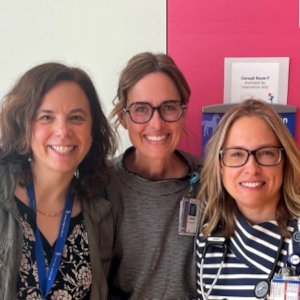
Dr. Emily DeBoer, Arwen Jackson & Jennifer Maybee
How to Manage Swallowing Issues in Children with Down Syndrome
ACROSS THE LIFESPAN
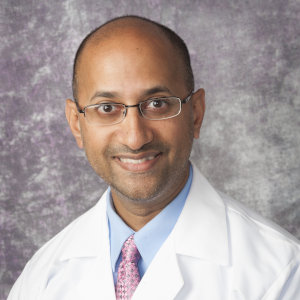
Dr. Kishore Vellody
What Families Need to Know! A Pediatrician’s Tips for Understanding Common Lab Results
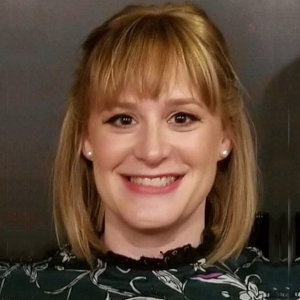
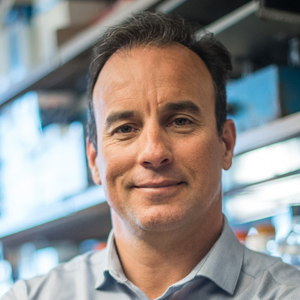
ACROSS THE LIFESPAN
Dr. Joaquín Espinosa
An Important Update on Groundbreaking Clinical Trials & Research for People with Down Syndrome
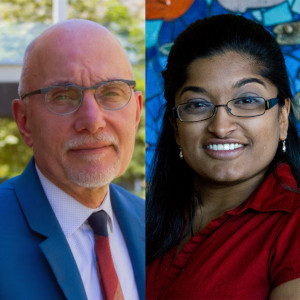
ACROSS THE LIFESPAN
Drs. Leonard Abbeduto & Angela Thurman
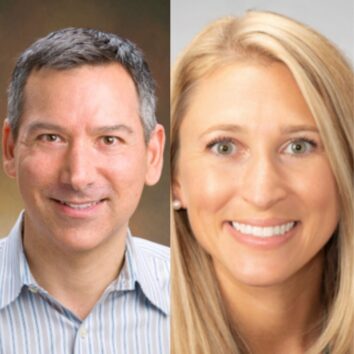
ACROSS THE LIFESPAN
Drs. Ignacio Tapia & Rachel Whelan
Apnea notturna nell'arco della vita nelle persone con sindrome di Down
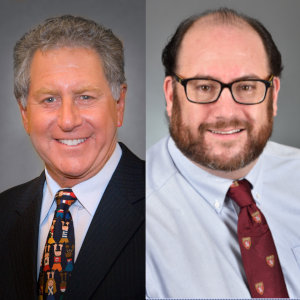
ACROSS THE LIFESPAN
Drs. Steven Perlman & Marc Ackerman
Dental Care Across the Lifespan of Patients with Down Syndrome
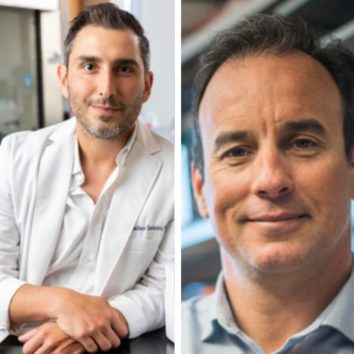
ACROSS THE LIFESPAN
Drs. Joaquín Espinosa & Jonathan Santoro
Down Syndrome Regression Disorder: The Latest Research and Promising Treatments
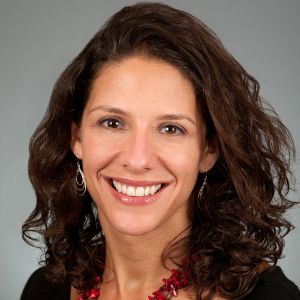
PEDIATRIC
Dr. Nicole Baumer, MEd
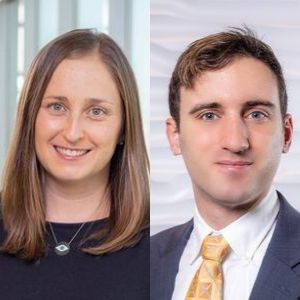
ACROSS THE LIFESPAN
Drs. Emily McCourt & Michael Puente
Eye Research & Eye Care for Individuals with Down Syndrome Across the Lifespan
PEDIATRIC
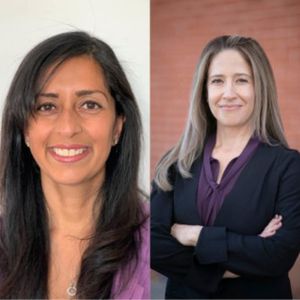
Drs. Lina Patel & Debbie Fiddler
Executive Function Skills in Everyday Life: From Research to Intervention
ACROSS THE LIFESPAN
Dr. Joaquín Espinosa
PEDIATRIC
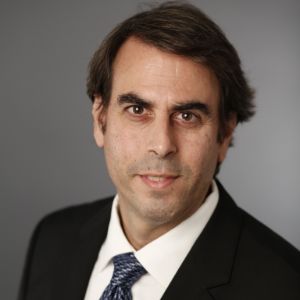
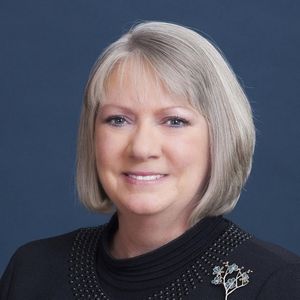
Dr. Karen Remley
How the CDC Supports People with Down Syndrome & An Update on COVID-19 Vaccinations
TEEN & ADULT
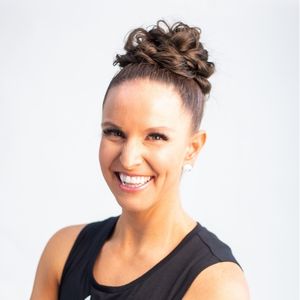
Dr. Sarah Mann
Strength, Stability, Balance, and Endurance: Purposeful PT for Teens and Adults with Down Syndrome
ADULT
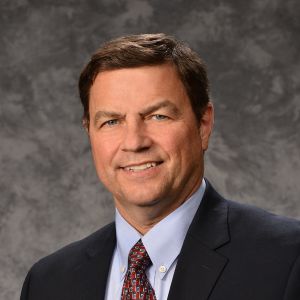
Dr. Brian Chicoine & Guideline Co-Authors
ACROSS THE LIFESPAN
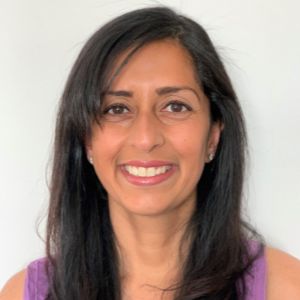
Dr. Lina Patel, PsyD
CPAP, Hearing Aids, & Glasses, Oh My! How to Help my Child & Adult Wear their Medical Equipment
PEDIATRIC
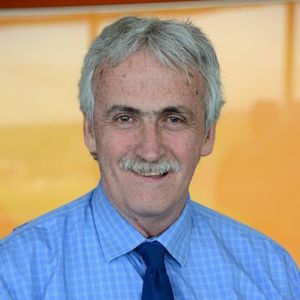
Dr. Francis Hickey
Pediatric Medical Care Guidelines for Down Syndrome: What Families Need to Know

ACROSS THE LIFESPAN
Michelle Sie Whitten, MA & Kevin Brennan
Self-Advocates Win Landmark Federal Funding for Research: Join GLOBAL – Join the Movement
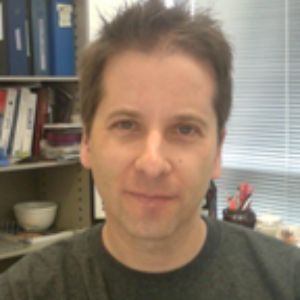
ACROSS THE LIFESPAN
Dr. Michael Yeager
Take A Deep Breath: Lung Infection & Cognition in Down Syndrome
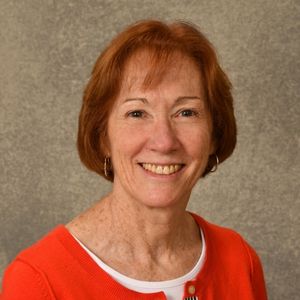
PEDIATRIC
Patricia C. Winders, PT
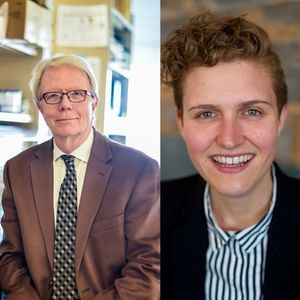
ADULT
Dr. Huntington Potter & Bryn Gelaro, LSW
Supporting Aging Adults with Down Syndrome and Alzheimer’s Disease
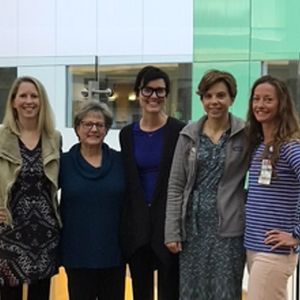
PEDIATRIC
Sie Center Specialists
Developing an Individualized Feeding Plan for Your Child with Down Syndrome
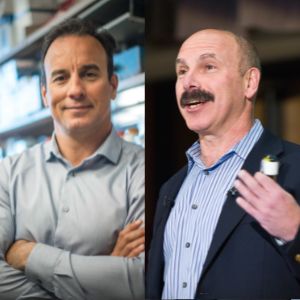
ACROSS THE LIFESPAN
Dr. Joaquín Espinosa
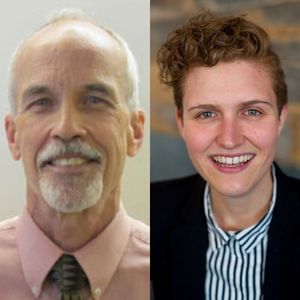
ADULT
Dr. Dennis McGuire & Bryn Gelaro, LSW
Promoting Skills to Survive & Thrive in the Teen & Adult Years
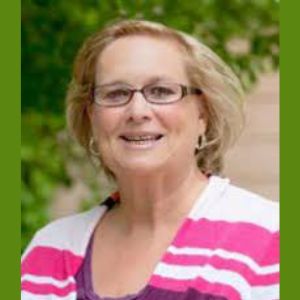
PEDIATRIC
Kathleen Mays, MS, CCC-SLP
Multimodal Approach to Teaching Children with Down syndrome Speech & Language Skills
Important Notice
The Global Down Syndrome Foundation’s employees and/or volunteers are NOT acting as your medical professional or attorney. Responses you receive via electronic mail, phone, or in any other manner DO NOT create or constitute a doctor-patient or attorney-client relationship between you and the Global Down Syndrome Foundation (GLOBAL), or any employee of, or other person associated with, GLOBAL.
Information received from GLOBAL’s employees or volunteers, or from this website, should NOT be considered a substitute for the advice of a medical professional or lawyer. GLOBAL DOES NOT provide any medical or legal advice. You should consult with your own doctor or lawyer for medical or legal advice. This website is a general service that provides information over the internet. The information contained on this website is general information and should not be construed as medical advice to be applied to any specific factual situations.
 Italian
 English
 Albanian
 Bengali
 Chinese
 French
 Hindi
 Japanese
 Russian
 Spanish (Chile)
 Spanish (Mexico)
 Swahili
 Ukrainian