Archive for the ‘Blog’ Category

Under Erin Suelmann’s leadership, the Down Syndrome Association of Greater St. Louis (DSAGSL) has become one of the largest local Down syndrome organizations in the United States. In 2023 the organization raised over $1 million in support of over 2,000 families and expanded their impactful programs and services. Erin and her team have maintained an A+ rating from the Better Business Bureau and met all 20 BBB Charity Accountability Standards. A strong believer in financial transparency, DSAGSL invites you to view their latest Annual Report and see exactly how their sponsorship of the GLOBAL Medical Care Guidelines for Adults with Down Syndrome fits into their tight yet highly effective budget. 

Recently, GLOBAL’s Vice President of Strategic Alliances, David Tolleson, caught up with Erin for an exclusive interview about the importance of the GLOBAL Adult Guideline, how having a brother with Down syndrome shaped her life, and her advice and hopes for healthcare support for all individuals with Down syndrome.

DAVID: Your group supported the first edition of the GLOBAL Medical Care Guidelines for Adults with Down Syndrome (GLOBAL Adult Guidelines). Why is supporting the second edition of the guideline with a multi-year pledge important to you and your board? 

ERIN: I have an adult brother with Down syndrome, who’s 37. I’ve known people with Down syndrome my whole life and I’ve watched them age. That, in conjunction with being the leader of a Down syndrome association, I have witnessed first-hand the challenges that the healthcare system faces and that families face in finding good, reliable, competent care for people with Down syndrome, especially adults. So, to me it’s a “no brainer” to invest in research and tools that will improve healthcare for adults with Down syndrome and bring awareness of the importance of funding that helps everyone.

We had discussions on my board about how our investment in the GLOBAL Adult Guideline directly impacts people in St. Louis and we said it positively affects people with Down syndrome everywhere. It’s a tangible tool we can use right here in St. Louis to improve healthcare for adults with Down syndrome. I’m really grateful that GLOBAL is doing the work and leading the way in doing the work because I don’t know who else would do it—otherwise it just wouldn’t get done. It’s absolutely a priority for us.

DAVID: DSAGSL is very strict about how you use your money. How does giving to the GLOBAL Adult Guideline fit into your criteria?

ERIN: Our mission is to serve, support and celebrate the lives of individuals with Down syndrome and their families through every stage of life. We believe that healthcare is essential in ensuring that people with Down syndrome can live long lives and fulfill their potential. We don’t have capacity to do what GLOBAL is doing in terms of creating the healthcare guidelines—I wouldn’t even know where to begin! We really believe in doing what we do well and partnering with and supporting agencies that are doing what they do well. GLOBAL has definitely shown that it is really good at advocating for healthcare for people with Down syndrome, which directly impacts the people we serve, so by supporting GLOBAL we’re improving healthcare for them. The GLOBAL Adult Guidelines don’t just support people in Colorado or Denver, they support people across the globe.

DAVID: You mentioned your brother. How does being a sibling impact your work?

ERIN: Oh gosh, I am who I am because of my brother. From a really early age I was cheering for the underdog and I was recognizing injustices, inequalities, and inequities. I was taking notes of how people with disabilities were being treated. I also developed a lot of patience because I have a brother with a disability. I have a lot of core memories of experiences that made me who I am. So, I take that to work with me every day and I feel really honored that I get to work in a field where I get to try to make a better world for people with Down syndrome. Whether it’s advocacy, creating programs where they are learning skills, or raising awareness about Down syndrome, everything that I do day-to-day has been impacted living with him and the great lessons he’s taught me. I’m blessed to be able to make a difference.

DAVID: How is the GLOBAL Adult Guideline making a difference in St. Louis?

ERIN: We use the Guidelines in our “Ages and Stages” packet. A few years ago, we realized families call us when they need something right away, so we thought a great way to help them would be to send them information before they need it—whether it be potty training, behavior in school, puberty, and so on—so we send out these packets at key milestones in life. The goal is that the family has the information they need before a crisis moment. We send out the GLOBAL Adult Guideline in our “16 Turning 17” packet, so all the families with a child turning 17 get that information. It helps them prepare and be better advocates for their loved ones. It helps people with Down syndrome be better advocates for themselves in the healthcare setting.

We’ve done some webinars with GLOBAL and we share GLOBAL Webinars. The GLOBAL Webinars attract the leading medical experts and are real tools that we give to people to improve healthcare for their child with Down syndrome or for themselves. In addition, last year we sent packets to healthcare professionals—something we plan to continue—in an effort to empower them to better serve people with Down syndrome. We sent the GLOBAL Adult Guideline to medical professionals along with a magnet talking about how they can get more information from our website. So, the guidelines are really directly impacting people in St. Louis.

DAVID: How does GLOBAL’s advocacy, research, and medical care work make a difference to families in your community?

ERIN: We can do what we can on a local level. We have access to local, county, and state leaders to improve the lives of people with Down syndrome, but I don’t have the capacity as one person to go to the National Institutes of Health (NIH) to advocate for improved healthcare or improved funding of research. Nor is that the best use of my time—my time is about serving people in St. Louis. It’s important that organizations like GLOBAL exist to do that work. It’s good that Michelle, you and the GLOBAL team are at the NIH advocating, because you have the expertise and the access to professionals and the experts, and that is GLOBAL’s mission. That leaves me able to focus on the people in my region and rest assured that that federal advocacy work is taking place through an organization that is really equipped to do that work well. I would not be able to do it, so I’m really grateful to GLOBAL that you’ve made that your mission and that you’re doing it really well, taking it very seriously, and having the experts behind you.

DAVID: Do you have any advice for adults navigating the healthcare system?

ERIN: I think my advice would be that you have to come equipped with the knowledge and, in many cases, you have to educate your doctor, which is not the way that it should be. Hopefully, organizations like DSAGSL and GLOBAL can continue to help educate healthcare professionals, but for right now—especially if you live in rural communities or communities that don’t have a Down syndrome center or research university, you really do have to take it upon yourself. You have to arm yourself with the knowledge, best practices and things like the GLOBAL Adult Guideline, because your physician can’t always know everything. It’s also about finding a doctor who will listen to you. If you feel like your doctor is not taking you seriously and they’re not willing to listen to you and/or go the extra mile to learn outside of that 15-minute visit, then you have the wrong doctor and you need to find a better one. It should be a partnership. Even if they don’t know everything, they should be willing to learn, take you seriously and read the materials you bring them.

I also think that finding community through your Down syndrome association, connecting with other individuals with Down syndrome and their families, so you can share resources and recommendations on doctors, would be my advice. That’s also true for any kind of specialty care. We really have to advocate for ourselves. 

DAVID: What are your hopes for the future in healthcare? 

ERIN: I think if I had to envision a perfect world as far as healthcare and Down syndrome are concerned, my goal would be that every physician would know about Down syndrome and would have gotten more education about it in medical school. We hear from doctors that they get 15 minutes to an hour during their entire medical training about Down syndrome, which needs to change because there are going to be more and more people living with Down syndrome. It’s not an uncommon condition, so why shouldn’t doctors know about it and have that be a part of their regular curriculum in medical school? A family shouldn’t have to go into a doctor’s visit and be an interface with a physician who has never learned about Down syndrome or even seen anybody with Down syndrome. That’s why in St. Louis I say our goal should be that everybody knows somebody with Down syndrome.

Every doctor should have the opportunity to meet someone with Down syndrome because then that diagnosis delivery will be better. It won’t be so heart-wrenching for families when they receive the diagnosis. Families won’t be discouraged, because they won’t have to go into a medical visit where the doctor doesn’t want to listen. Normalizing Down syndrome in the medical community means there can be more equitable care. We have a lot of work to do at the intersection of minorities and disabilities. The medical community needs to do better in treating people in traditionally underserved groups and in rural communities and that’s just magnified by someone having a disability. So, there’s a lot of work to be done.

DAVID: We’re very grateful for your time and for your support of GLOBAL’s work. Is there anything else you would like to share with our readers?

ERIN: It’s really exciting that we’re going to be celebrating our 50th anniversary in 2026!

DAVID: That’s wonderful!

ERIN: Yes, we have some really exciting things planned! Our success comes from our partnership and collaboration with other Down syndrome associations and national groups as well. The more we can support each other, the more we can lean on each other for the expertise that one another bring to the table or rely on someone who does something really well, like GLOBAL and the Adult Guideline, we’re all going to more successful as a result.

I really appreciate the national groups like GLOBAL and DSAIA that allow us to share, communicate and collaborate. I’ve learned so much from other organizations like yours and so many others across the country. I’m excited that GLOBAL is doing this piece on the local affiliates because there are a lot of really good associations across the country doing exciting work and making the world a better place!  


Sleep Apnea Across the Lifespan in People with Down Syndrome

December 30th, 2023 by Global Down Syndrome Foundation

Takeaways from a GLOBAL Webinar

Article from the award-winning ​Down Syndrome World magazine​.

Learn more about our magazine, webinars​ and GLOBAL Membership benefits

Sleep Apnea Experts

Earlier this year, GLOBAL organized a webinar on sleep apnea that attracted 420 registrants from 43 states and 13 countries. The webinar covered the latest understanding of the importance of sleep screening across the age spectrum in people with Down syndrome, consequences of untreated sleep apnea, medical treatment options, and surgical treatment options including hypoglossal nerve stimulation.

Dr. Ignacio Tapia and Dr. Rachel Whelan co-presented the webinar, and the hour and fifteen minutes flew by! Dr. Tapia is an attending physician in the Sleep Center/Pulmonary Division of the Children’s Hospital of Philadelphia (CHOP) and Associate Professor in Pediatrics at the Perelman School of Medicine at the University of Pennsylvania. Dr. Tapia’s research interests are specific to Obstructive Sleep Apnea Syndrome (OSAS) in children, clinical trials to treat OSAS in children, health disparities around sleep and OSAS in individuals with Down syndrome. OSAS is the day-time sleepiness and fatigue associated with OSA.

Dr. Whelan is an Assistant Professor of Otolaryngology at the University of Pittsburgh Medical Center (UPMC) and specializes in the treatment of sleep disorders in pediatric and adult patients. She has dual fellowship training in both pediatric otolaryngology and sleep medicine through UPMC and the University of Pennsylvania/CHOP. Dr. Whelan has a particular focus in surgical treatment options for sleep-disordered breathing including nasal, pharyngeal, and neurostimulation surgeries and enjoys caring for patients across the age spectrum.

What is Obstructive Sleep Apnea?

According to the Mayo Clinic, Obstructive Sleep Apnea (OSA) is the most common sleep-related disorder and occurs when the throat muscles relax and block the airway repetitively during sleep. Essentially, people with OSA stop breathing, sometimes for more than 10 seconds, and then start breathing again which negatively affects their sleep and overall health.

In the United States, it is estimated that 15% of adult males and 5% of adult females have OSA, and that it affects 1-5% of all children. Obesity is an independent high-risk factor whereby upwards of 20% of adults and 70% of children with obesity were also diagnosed with OSA.

Generally, it is a bed partner or parent who identifies OSA since snoring is a key symptom. To be clear, many people snore and do not have OSA but snoring, restless sleep, uncommon sleep positions such as sit sleeping, night waking, audible pauses in breathing, dry mouth, headaches, daytime sleepiness, and behavioral problems including mood swings, are all symptoms that should be mentioned to a health care provider, as these may raise concern for possible sleep apnea.

Increased Risk in People with Down Syndrome

Drs. Tapia and Whelan both emphasized that people with Down syndrome are at significantly increased risk through their lifespan for developing OSA, with somewhere between 45-55% of individuals with Down syndrome having Obstructive Sleep Apnea Syndrome (the fatigue, cognitive deficit and behavior issues associated with poor sleep due to OSA).

The increased risk can be attributed to a combination of multiple factors:

  1. Anatomy
  • Midface hypoplasia (narrowing of the upper airway and back of the nose)
  • Glossoptosis and macroglossia (the tongue is larger relative to the jaw) and thus more likely to fall back and block the airflow in the back of the throat
  • Hypotonia (low muscle tone) which also increases collapse of the upper airway
  • Large tonsils and adenoid tissue in the back of the throat and nose, respectively
  1. Co-occurring obesity
  2. Hypothyroidism

Because of this significantly increased risk, the American Academy of Pediatrics (AAP) in the US recommends “evaluation” at age 6 months and a Polysomnography (PSG), overnight sleep study, by age 4 years. Currently there are no medical guidelines specific to adults with Down syndrome (guidelines for the general population are the default) but the Global Down Syndrome Foundation is working on their second edition of the GLOBAL Medical Care Guidelines for Adults with Down Syndrome that will expand five medical areas including recommendations for OSA.

Challenges for OSA Patients with Down Syndrome

Short term, untreated OSA in all patients results in fatigue and mood swings. According to Johns Hopkins University, this can manifest in daytime car accidents, loss of productivity at work, waking up groggy, falling asleep in class, and behavioral issues that make it difficult to study or pay attention to schoolwork.

 It makes sense that lack of a deep sleep and poor-quality sleep is not good for you. But for OSA, the long-term consequences can be dire, including neurobehavioral deficits, increased risk of high blood pressure , metabolic issues such as diabetes, and a possible link with early onset of Alzheimer’s disease.

During the GLOBAL Webinar on sleep apnea, Dr. Tapia highlighted three key challenges that people with Down syndrome face with both the diagnosis and the treatment: (1) there are very few sleep labs (2) The sleep study test is challenging and the majority of children with Down syndrome don’t get the study despite the AAP guidelines, and (3) patients with Down syndrome have had difficulty with adhering to continuous positive airway pressure (CPAP) and many families feel it is unrealistic to expect adherence.

Dr. Tapia also spoke about people with Down syndrome not being invited to participate in research over the last few decades and how that has led to so many unknowns about sleep apnea in the Down syndrome community. He also kindly acknowledged GLOBAL’s great lobbying work in DC that led to the establishment of a National Institutes of Health (NIH) Down syndrome research funding program called INCLUDE.

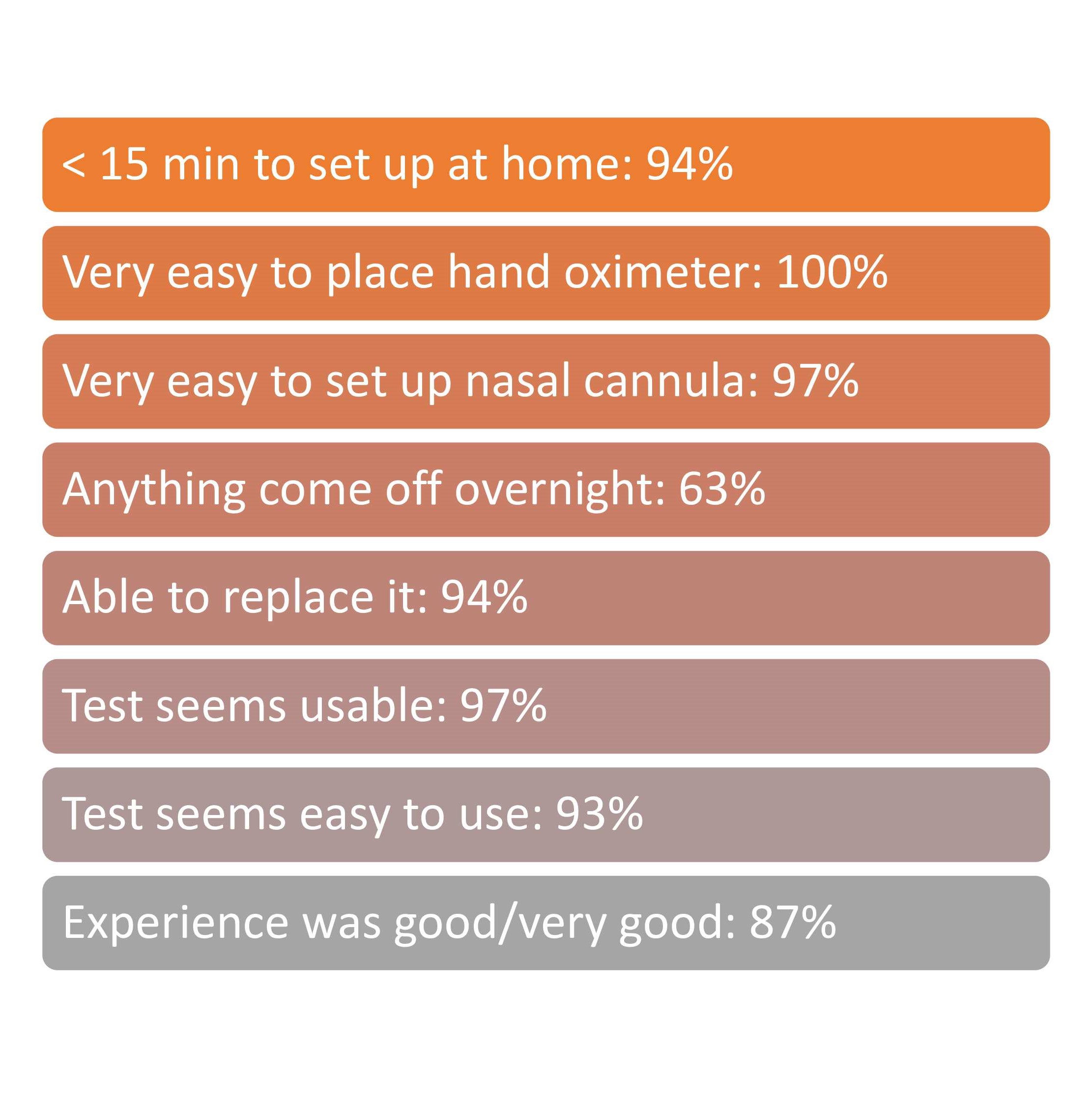
Dr. Tapia shared that he has received two INCLUDE grants, one of which is targeted at proving that home sleep study tests are not only possible but preferable in children with Down syndrome. This could solve two of the key problems associated with diagnosis of OSA. The study tested 35 patients with Down syndrome between 10 and 20 years of age, and compared at home study results versus lab study results measuring tolerability, family-report sleep perceptions/experience, feasibility, and diagnostic accuracy for moderate-severe OSA.

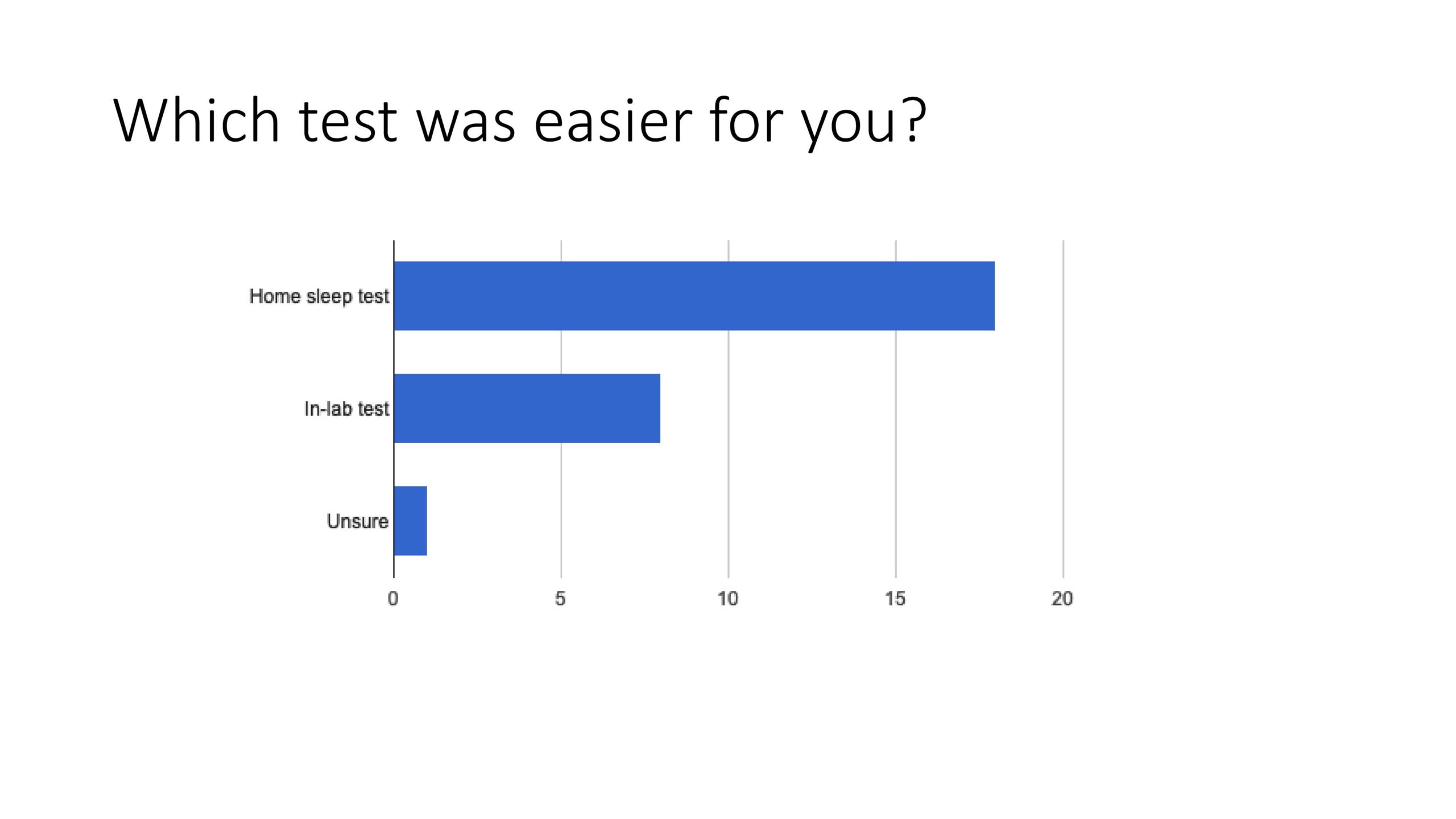
The majority of participants felt that the home study test was easier and the overall ease of the setup of the home test was an aggregate score of 87%.

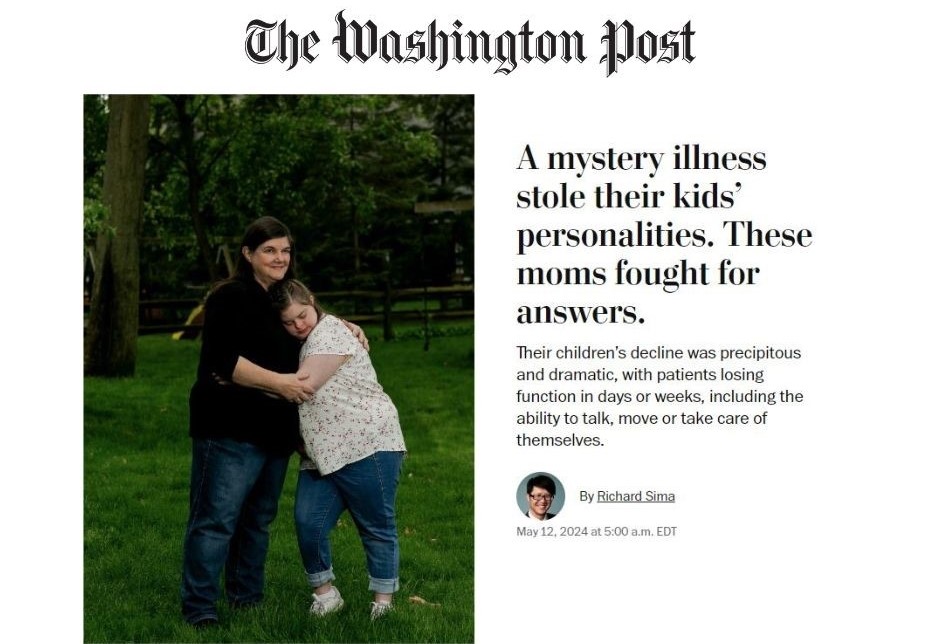
The results were recently published in the Journal of Clinical Sleep Medicine:
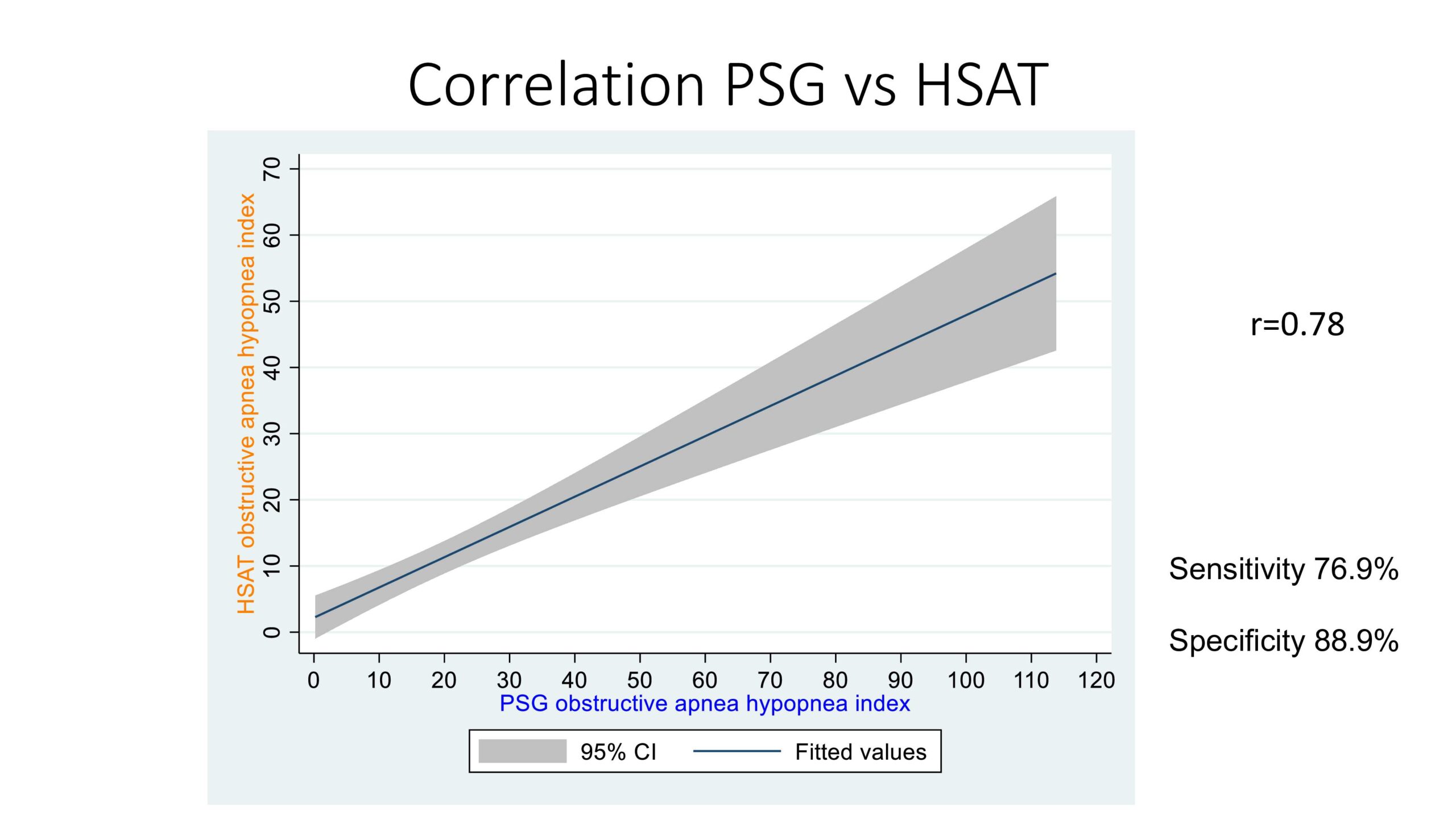
In terms of the accuracy, 78% of the home studies results correlated with the lab results on the obstructive apnea hypopnea index which is a very good score. Finally, the participants slept longer in the home study than during the lab study.
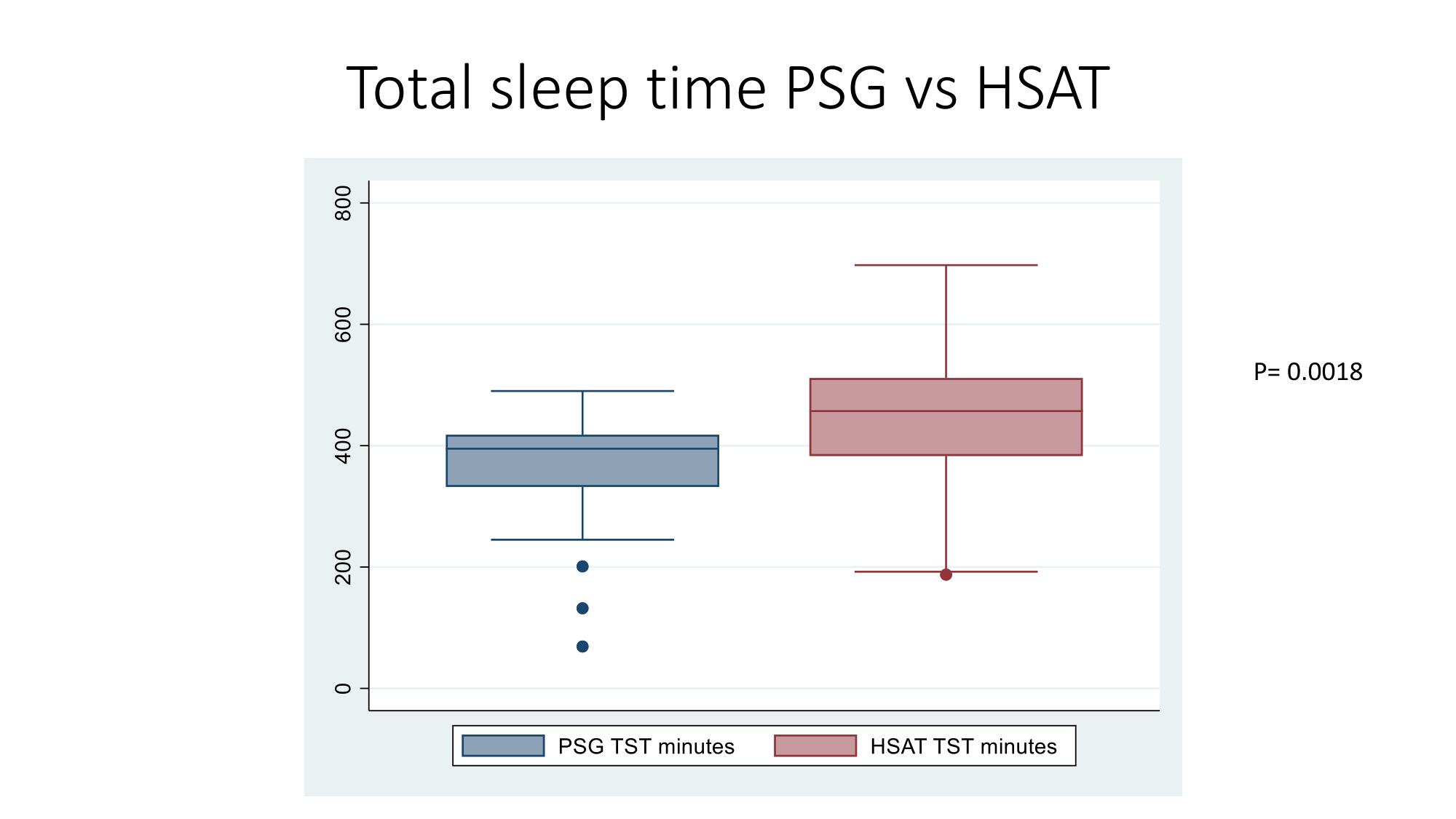
Dr. Tapia plans to continue his research and to address the following:

  1. What are the beliefs of families using CPAP or BiPAP over a most recent six-month period
  2. Strategies to increase PAP use
  • Meet families where they are
  • Bedtime routine
  • Activities the child enjoys
  • Role modeling

He concluded that families and patients with Down syndrome should redouble their efforts and engage a behavior specialist as his team is seeing a lot of success in patients with Down syndrome using the CPAP and making a huge difference in the patients’ energy level, focus and ability to participate more fully in all areas of life.


Treatment of OSA in Patients with Down Syndrome

Dr. Whelan, who is a sleep surgeon treating OSA in the general population as well as children and adults with Down syndrome, discussed treatment options for OSA. She discussed that continuous positive airway pressure (CPAP) is generally the first-line therapy in most adults with OSA. This works by delivering continuous pressure through the nose and/or mouth during the night to keep the upper airway open. While CPAP can be a challenge to acclimate to, CPAP may prove to ultimately be a very effective and well-tolerated treatment option for both children and adults with Down syndrome and OSA. If considering a trial of CPAP for your loved one, it is strongly advised to work with not only a sleep physician, but also a team that includes a behavioral sleep psychologist to help acclimate well to this new device. 

Dr. Whelan discussed that different than in adults, the first-line of treatment for children with OSA in the United States is oftentimes Tonsillectomy & Adenoidectomy, removing the tonsils and adenoids by surgery.

While this surgery significantly improves or cures OSA in about 50% of children with Down syndrome, that still leaves about 50% of patients still having persistent OSA even after surgery. Because each patient has unique anatomy that leads to OSA, additional surgery is sometimes considered, including trimming or reshaping tissues in the nose, tongue, back of the throat, and/or around the voice box. Additional surgical options including weight-loss surgery (bariatric surgery) or skeletal surgery to expand the upper and/or lower jaws may also be considered.

Dr. Whelan agrees that the ongoing social stories sharing success around CPAP and BiPAP adherence is a wonderful success story for our community!


New Kid on the Block – Hypoglossal Nerve Stimulation

For non-obese patients that cannot tolerate CPAP or BPAP therapy, hypoglossal nerve stimulation (HNS) has become the newest surgical option to potentially treat OSA in patients with Down syndrome.

Dr. Whelan explained that HNS is like a pacemaker for sleep apnea and is a device inserted into a patient’s chest. There is another incision that sits under the chin and a wire is tunneled under the skin of the neck to connect the two parts of the device. It senses every breath the patient takes and sends electrical stimulations to push the tongue forward so that it does not fall back and block airflow in the back of the throat.

Hypoglossal nerve stimulation surgery is specifically for patients who have not had success with CPAP and who are not obese.

Adolescents with Down syndrome who have received HNS implants have overall done quite well. For the first 20 such patients there was significant improvement in OSA measures (pausing in breathing a median of 24 times per hour down to 3 times per hour) and improvements in speech, cognition, and school performance.

Based on this data, the Federal Drug Administration (FDA) recently approved HNS for 13 years or older patients with Down syndrome with moderate to severe OSA who have tried PAP and have not been successful with it. It is interesting to note that FDA approval in the general population is 18 years and older.

There are other important considerations regarding HNS implantation:

  • The battery life generally lasts 10-12 years so patients require essentially one surgery each decade to replace the battery.
  • MRI compatibility – while there is full body MRI compatibility with the current version of the device, this is a consideration for any patients that have medical conditions that will require frequent MR imaging.
  • If patients gain weight, the device generally becomes less effective.
  • Any time there is hardware, there are risks of infection or electronic failure of the device, which would require removing it.


Clinical trials to determine which patients respond best to this therapy are ongoing. Currently, there are five sites nationally enrolling adolescent patients with Down syndrome and OSA and looking at neurocognitive outcomes (focus, attention, executive function) before and after HNS implantation.

Dr. Whelan agrees that the current NIH INCLUDE funding is making a huge difference, allowing clinical researchers such as herself and Dr. Tapia to ask important questions about treatment such as:

  1. What are the patient centered outcomes and is there associated, appropriate neurobehavioral testing?
  2. What is the difference in daytime functioning?
  3. What is the difference in quality of life?
  4. Are there cardiometabolic outcomes?
  5. What are the family-centered outcome results?
  6. What are the risks/benefits for diagnosis and treatment?


Conclusions

Patients with Down syndrome are at high risk for sleep apnea. Obesity creates an even higher risk for OSA as well as other diseases so we should do our best to create healthy lifestyles and choices.

Detecting and treating OSA early and effectively can make a big difference in short-term health including behavior, attention and energy, as well as help limit serious long-term health issues such as heart disease, stroke risk and diabetes.

A sleep study is the only way to diagnose OSA and Dr. Tapia’s research is hoping to allow us to perform home sleep study tests rather than requiring an in-lab study, even in children with OSA.

To date, CPAP is the best way to treat OSA and great strides have been made in terms of behavioral interventions that allow children and adults with Down syndrome to tolerate a CPAP machine successfully.

For those who do not have a BMI in the obese range and have not had success with CPAP or BiPAP, there is a new treatment called Hypoglossal nerve stimulation that is very promising.

It is wonderful to envision a future where people with Down syndrome are allowed to and are willing to participate in long-term studies associated with OSA and sleep so that we can create better diagnosis, treatments, treatment supports and amazing health outcomes!

GLOSSARY

Adenotonsillectomy – An adenotonsillectomy is an operation to remove both the adenoids and tonsils; in other words a tonsillectomy and an adenoidectomy done at the same time

CPAP – Continuous positive airway pressure masks and head gear; the most common way to treat Obstructive Sleep Apnea (OSA)

BiPAP/BPAP – Bilevel positive airway pressure is a machine that helps you breathe; the most common way to treat Central Sleep Apnea (CSA), complex sleep apnea or chronic obstructive pulmonary disease (COPD) but can also be used to treat OSA

Glossoptosis – when the tongue is positioned further back in the mouth than normal; Abnormal posterior motion of tongue during sleep leading to OSA

Hypoglossal nerve stimulation – is a treatment for OSA using an implant to stimulate a nerve under the tongue to prevent the tongue from blocking the airway. As of 2023, the only hypoglossal nerve stimulator that is approved by the FDA is the Inspire device.

Hypoplasia – incomplete development or underdevelopment of an organ or tissue. 

Hypothyroidism – also called underactive thyroid, is when the thyroid gland doesn’t make enough thyroid hormones to meet your body’s needs; The thyroid is a small, butterfly-shaped gland in the front of your neck

Hypotonia – decreased muscle tone

Midface hypoplasia – when the upper jaw, cheekbones and eye sockets have not grown as much as the rest of the face.

Polysomnography (PSG) – an overnight sleep study used to diagnose sleep disorders, recording

Obstructive Sleep Apnea Syndrome (OSAS) – excessive daytime sleepiness caused by OSA

brain waves, oxygen levels in your blood, your heart rate and movement

Scientists Discover Mechanism Affecting Heart Development in Down Syndrome

July 18th, 2023 by Global Down Syndrome Foundation

Research at the University of Colorado Anschutz Medical Campus discovers a molecular mechanism contributing to the development of heart malformations in infants with Down syndrome.

From Down Syndrome World Issue 2, 2023

Newborns with Down syndrome, a genetic condition resulting from an additional copy of chromosome 21 (trisomy 21), face a significantly increased likelihood of being born with congenital heart defects. Roughly half of all babies with Down syndrome are estimated to have some form of heart malformation, making Down syndrome the leading cause of congenital heart abnormalities. Despite numerous research endeavors spanning many years, the specific mechanisms through which trisomy 21 disrupts the normal development of the heart in the embryonic stage have remained elusive.

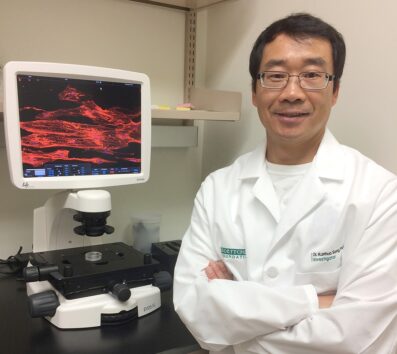
In a recent breakthrough, researchers at the University of Colorado Anschutz Medical Campus have uncovered a molecular mechanism that plays a role in the impaired development of the heart in individuals with Down syndrome. Led by Dr. Kunhua Song, a Linda Crnic Institute for Down Syndrome collaborator and an associate professor of medicine, the team conducted a series of experiments using both human cells with and without trisomy 21 and a mouse model of Down syndrome. These investigations shed light on the specific molecular factors contributing to the defective formation of the heart in Down syndrome.

By utilizing pluripotent stem cells sourced from participants in the Human Trisome ProjectTM, a comprehensive study spearheaded by the Linda Crnic Institute for Down syndrome at the University of Colorado, the research team took on the task of simulating the early stages of heart development, known as cardiogenesis, within a laboratory setting. During their investigation, they made a noteworthy observation: trisomy 21 hindered the process of cardiogenesis, and this malfunction appeared to be linked to an overactive cellular response to viral infections, specifically the interferon response. The team then proceeded to employ genetic and pharmacological techniques, successfully demonstrating that by blocking the interferon response, they could enhance cardiogenesis in the laboratory setting. This finding suggests a potential therapeutic avenue for improving heart development in individuals with Down syndrome.

“We were surprised to see strong activity of the interferon response during differentiation of pluripotent stem cells into heart muscle cells with trisomy 21. We now appreciate that an abnormally high interferon response could be detrimental to early heart development.”

Dr. Kunhua Song, Crnic Institute Collaborator and Associate Professor

Dr. Song expressed his surprise at the robust activation of the interferon response during the differentiation of pluripotent stem cells into heart muscle cells with trisomy 21. The research team had not expected such heightened activity, and they now understand that an excessively elevated interferon response may have negative implications for the early stages of heart development. This discovery highlights the potential harmful effects of an abnormal interferon response on the proper formation of the heart in individuals with Down syndrome.

Continuing their inquiry, the researchers delved further into understanding how the hyperactive interferon response hindered cardiogenesis. Through their investigation, they made an additional breakthrough by uncovering that the interferon response actually impedes several crucial molecular processes necessary for proper heart development, including the Wnt signaling pathway. This finding sheds light on the specific mechanisms through which interferon hyperactivity disrupts the intricate series of molecular events essential for the formation of a healthy heart.

Per Dr. Congwu Li, primary author of the study, “Excessive interferon activity results in insufficient Wnt signaling, thereby compromising cardiac muscle cell performance. Unveiling this sequence of occurrences sheds light on possible approaches to mitigate abnormal heart development in Down syndrome by reducing interferon signaling and/or enhancing Wnt signaling.”

To assess the efficacy of this therapeutic approach in a Down syndrome mouse model, the researchers administered a JAK inhibitor—a medication that diminishes the interferon reaction—to pregnant female mice. They then observed the impact on heart development in the embryos possessing a genetic modification analogous to trisomy 21. Remarkably, treating the pregnant mice with the JAK inhibitor exhibited a significant enhancement in cardiogenesis among the mice.

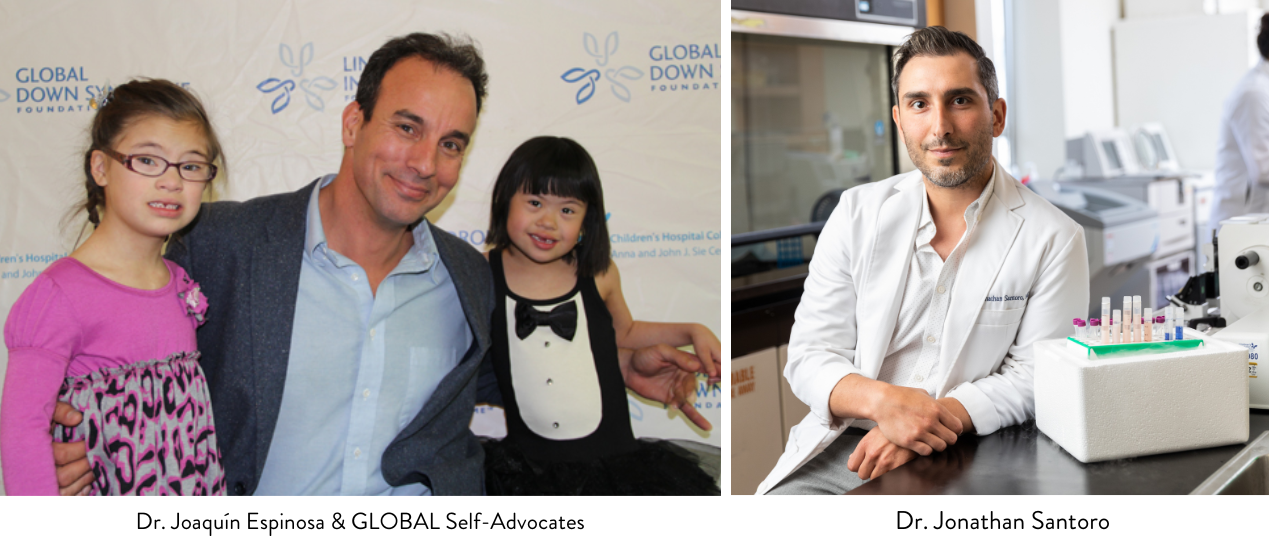
“These findings hold great significance as they propose a prospective pharmacological approach for prenatal intervention in mitigating one of the severe consequences of trisomy 21. Infants born with Down syndrome and congenital heart anomalies encounter numerous hurdles, ranging from early postnatal cardiac surgeries to enduring physiological repercussions throughout their lives. Nevertheless, extensive further investigations are imperative to ascertain the safety and effectiveness of utilizing JAK inhibitors during pregnancy,” elucidates Dr. Joaquin Espinosa, co-author of the paper and executive director of the Linda Crnic Institute for Down syndrome.

Dr. Espinosa and his research team are presently at the forefront of clinical trials investigating the advantages of JAK inhibitors in older individuals, including children and adults, affected by Down syndrome.

These findings contribute to the expanding body of evidence highlighting the detrimental consequences of excessive interferon activity in Down syndrome, even in the initial phases of embryonic development. The outcomes further endorse the notion that several distinctive features of Down syndrome stem from persistent immune system dysregulation throughout life, and that reinstating immune equilibrium could yield therapeutic advantages.


“This collection of research serves as evidence of the remarkable scientific progress that can be achieved with adequate resource allocation and the enthusiastic participation of individuals with Down syndrome in research,”  

— Dr. Joaquin Espinosa, Executive Director of the Linda Crnic Institute for Down Syndrome


“We are currently witnessing a genuine renaissance in the realm of Down syndrome research, propelled by substantial support from the National Institutes of Health INCLUDE Project, which represents the culmination of extensive advocacy by the Global Down Syndrome Foundation. Thanks to these concerted efforts, we hold a confident belief that individuals with Down syndrome will enjoy extended and healthier lifespans.”

Dr. Kishore Vellody

June 6th, 2023 by Wes Butler

For People With Down Syndrome, A Longer Life, But Under A Cloud

April 7th, 2022 by Global Down Syndrome Foundation

More Lawmakers Ratchet Up Pressure on CMS to Overturn Aduhelm Coverage Proposal

April 4th, 2022 by Global Down Syndrome Foundation

GLOBAL’s Position Statement on Humanitarian Crisis in Ukraine

March 29th, 2022 by Global Down Syndrome Foundation

Global Down Syndrome Foundation has been following the developments and grave humanitarian crisis taking place in Ukraine. We are all deeply concerned for the men, women, children, elderly, and people with disabilities who are being forced to leave their homes due to the conflict and those who are still trying to escape Ukraine to neighboring countries.

In dangerous and confusing times such as these, people with disabilities are often overlooked and face greater risk of abandonment, violence, and even death. There are food and medication shortages, and people with disabilities are cut off from support services. The situation is dire.

GLOBAL is adding our voice to international efforts, alongside other Down syndrome and disability organizations from around the world, asking that the parties and governments involved in the conflict respect humanitarian and international rights laws, and we ask that Ukrainians with Down syndrome and other disabilities be prioritized for evacuation and humanitarian aid.

National Coverage Determination May Limit Access to AD Treatment

March 14th, 2022 by Global Down Syndrome Foundation

Medicare Proposal on Alzheimer’s Drug Draws Criticism From Drugmakers

February 23rd, 2022 by Global Down Syndrome Foundation