Archive for the ‘Blog’ Category

In Loving Memory of Quincy Jones

November 5th, 2024 by Global Down Syndrome Foundation

A sad morning for GLOBAL and the world.

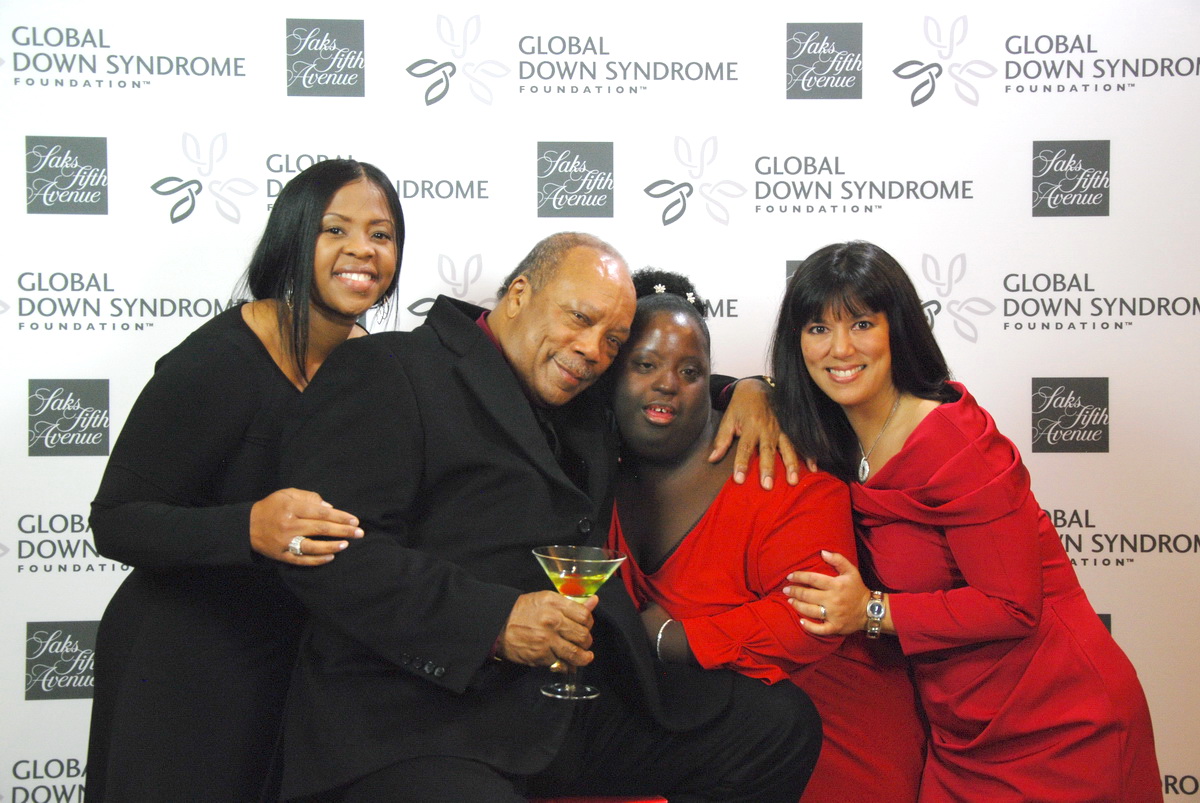
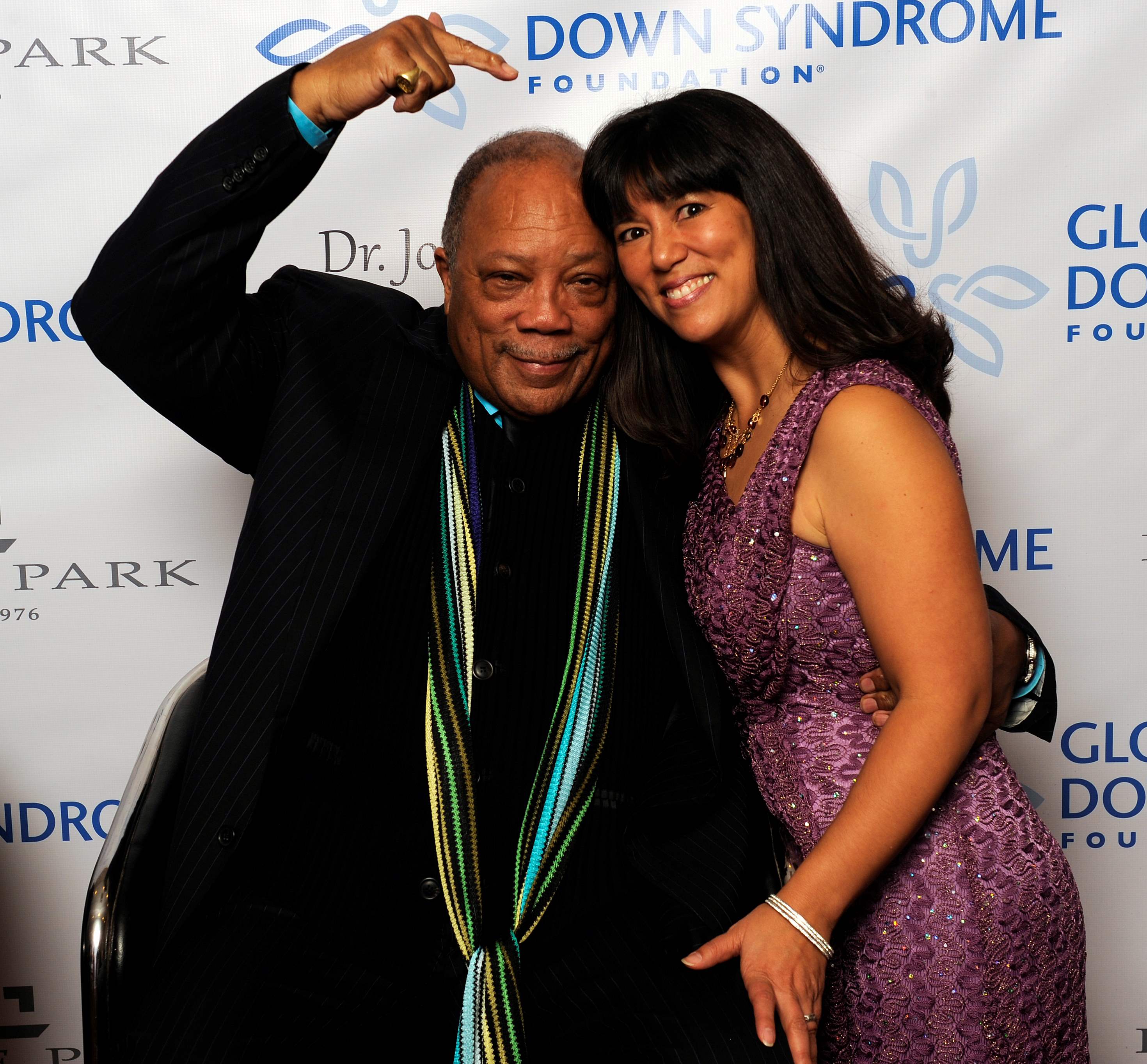
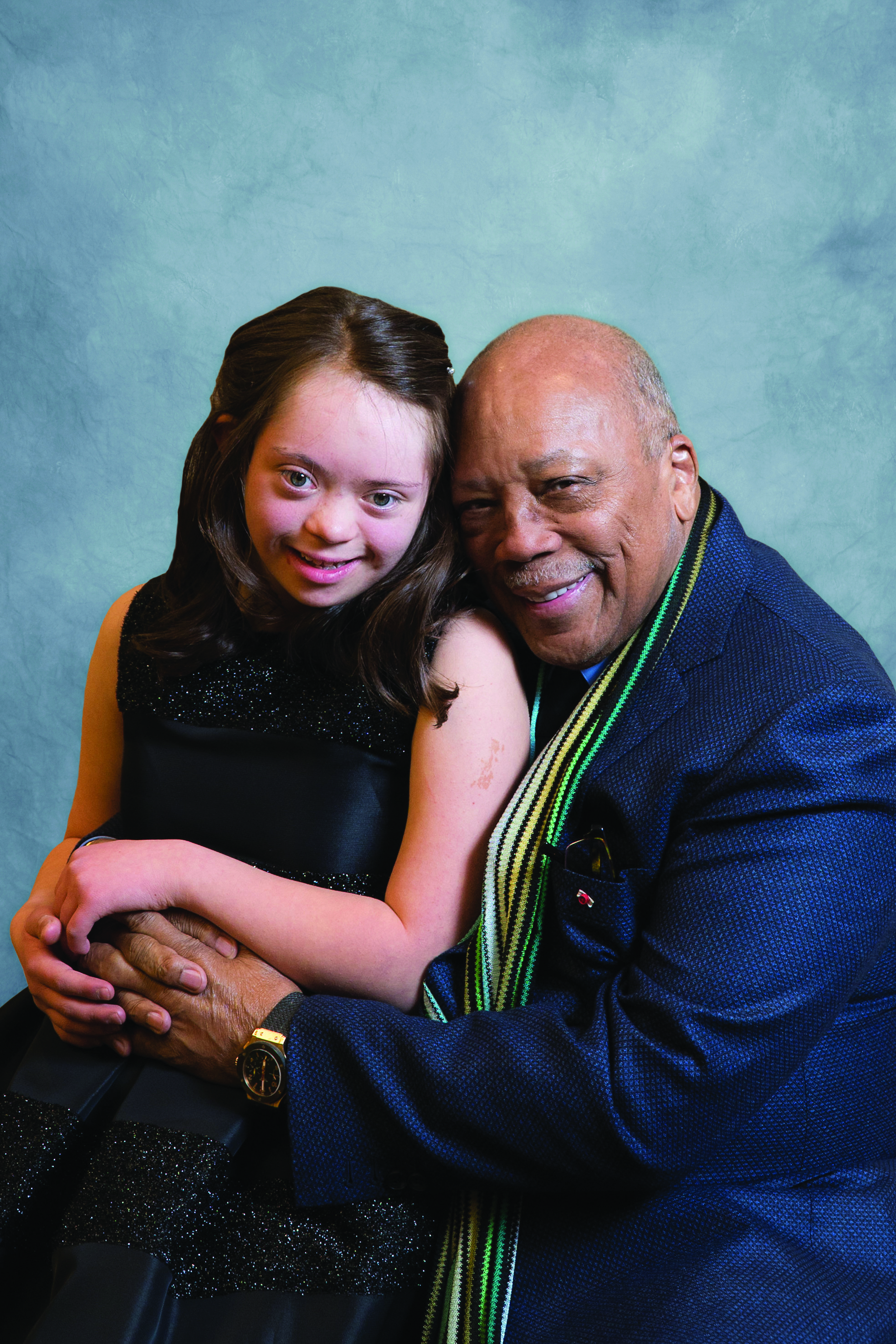
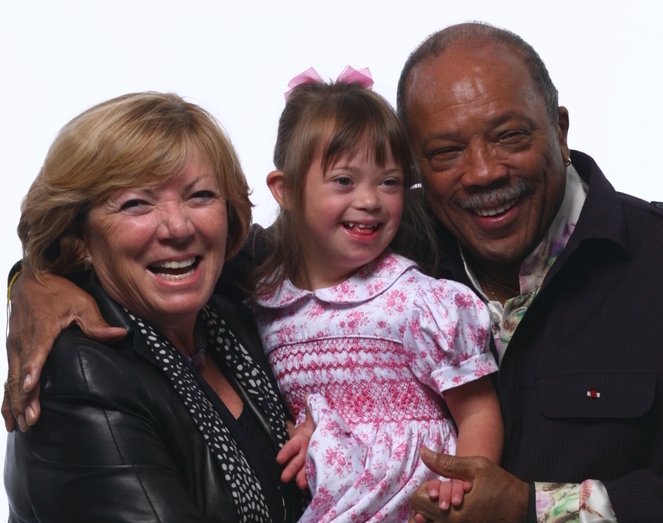
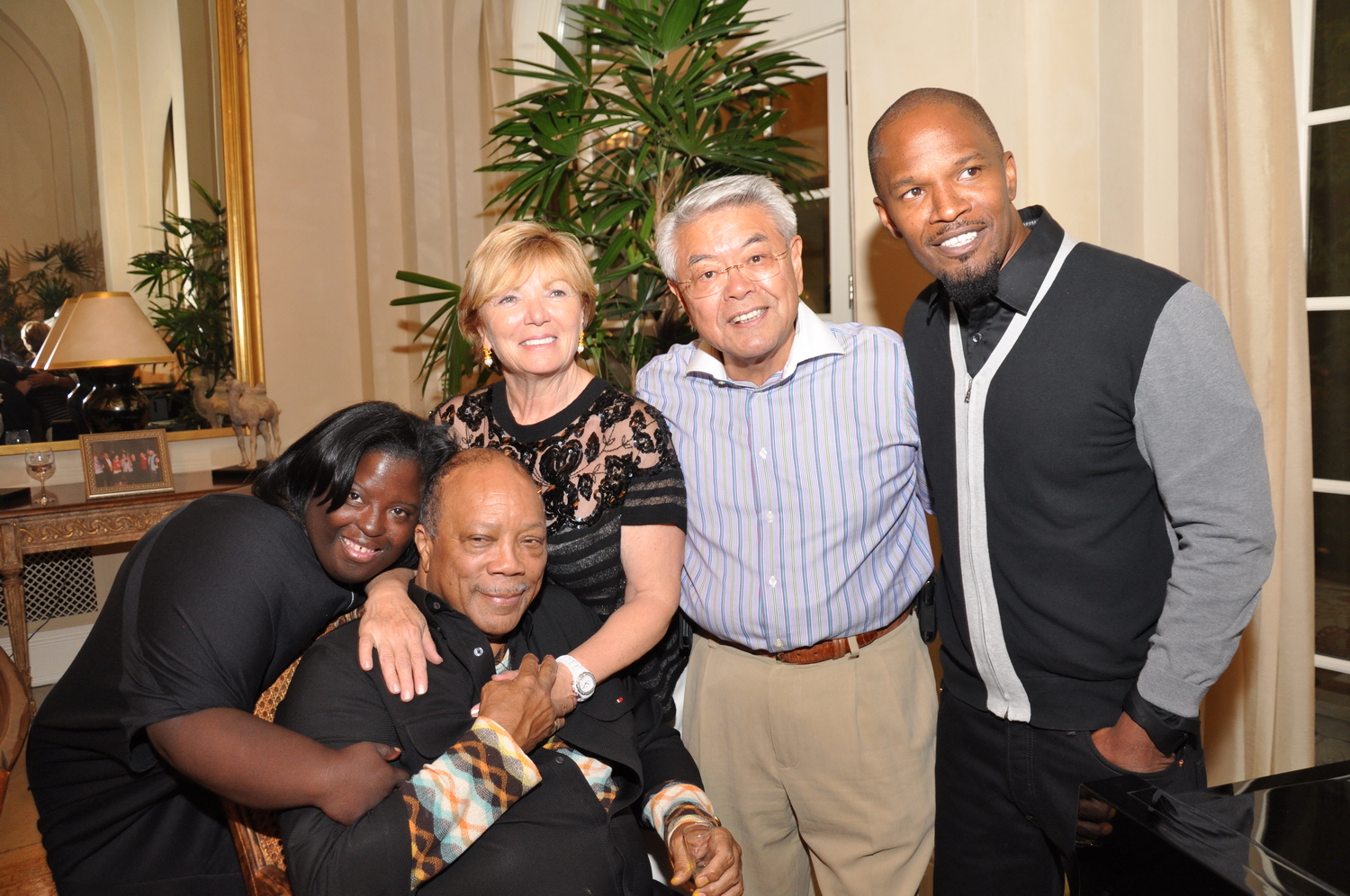
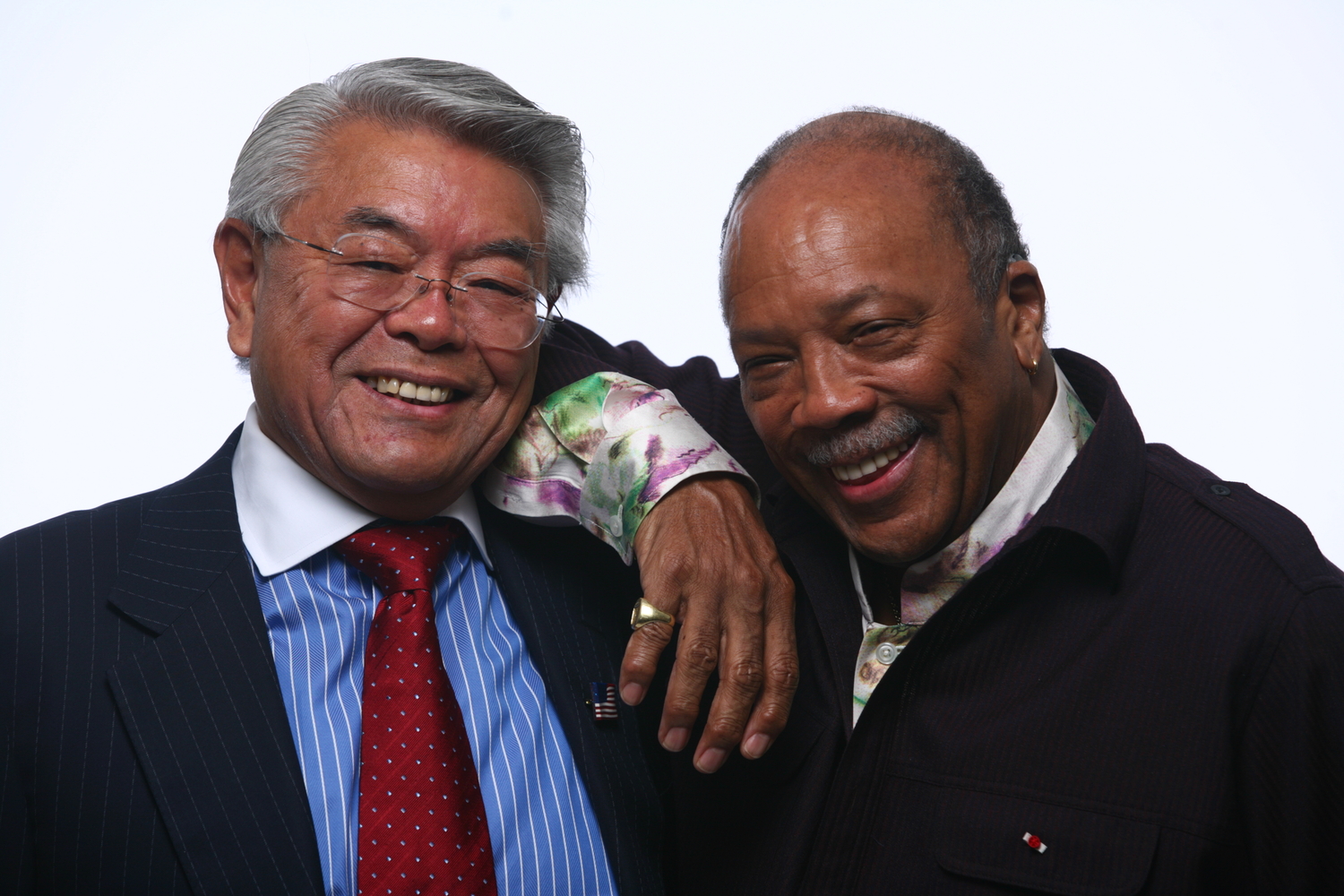
This morning, we woke up to shocking and very sad news that our dear friend, mentor, supporter and champion, music legend Quincy Jones has passed away. Our hearts ache for his family and his loved ones. Quincy lived an enormous life and gave back to this world with all his heart. How lucky were we as a family and as the Down syndrome community to be on the receiving end of that love?

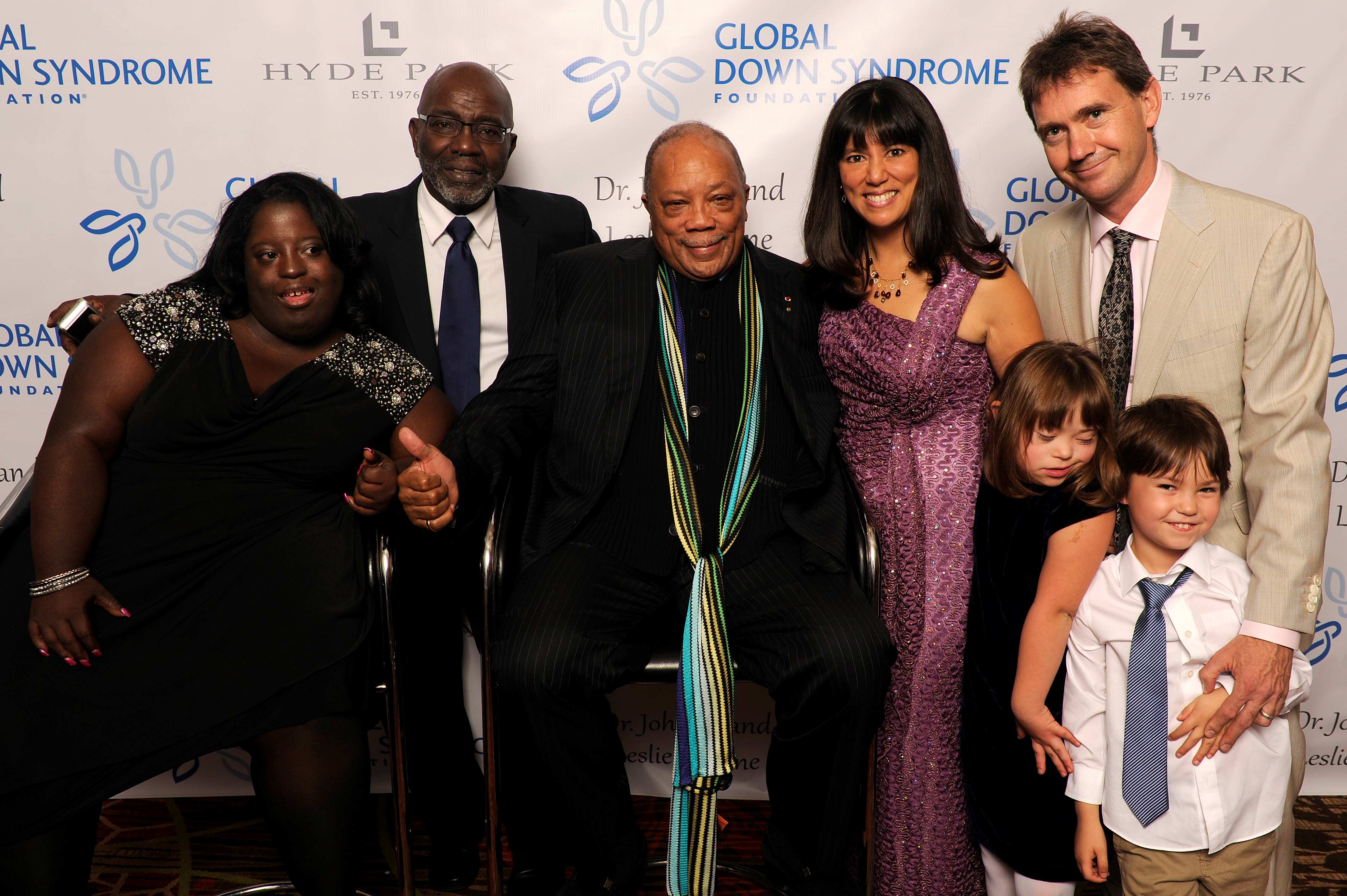
Quincy is iconic for his unparalleled talent – 28 Grammys and 80 nominations, collaborations with the likes of Frank Sinatra and producing legends such as Michael Jackson. But to my family and to our Down syndrome community he was equally known for his love for Sophia and all our children with Down syndrome who he often spoke about with conviction: “These children aren’t broken, they just need a leg up, the chance to reach their God-given potential.”  

Quincy brought magic to GLOBAL and our Be Beautiful Be Yourself Fashion Show. Each year we give our highest honor, the Quincy Jones Exceptional Advocacy Award, and he introduced us to our first recipient – GLOBAL Ambassador DeOndra Dixon and her family, including big brother Jamie Foxx. This year will be bittersweet when we bestow the award upon Woody Harrelson and Sofia Sanchez.

My dear Dad who himself is 88 is heartbroken but in the end, we know he lived a wonderful life, has the most amazing children and friends, and will be forever loved and remembered.

Please join us in sending loving thoughts and prayers for Quincy and for his family.

GLOBAL Webinars en Español Septiembre 2024

September 15th, 2024 by Global Down Syndrome Foundation

Estrategias para Ayudar a Niños con Síndrome de Down a Desarrollar Destrezas de Habla y Lenguaje


Resumen

En este importante webinar, Jamilet Figueroa presentó estratagias para ayudar a niños con síndrome de Down a desarrollar destrezas de habla y lenguaje. Ella describió que con retrasos en habla y lenguaje, niños pueden tener baja autoestema, problemas con comportamiento, y falta de participación social.  Algunas estratagias que mencionó fue, hablarle al niño constantemente y describir actividades contidianes, usar fraces cortas y claras, repitir palabras y frases clave para refozar el patrendizaje. Mostró cómo usar su aplicación en inglés y español.  Puedes encontrar la aplicación aqui. Esta presentación resalta la importancia de abordar de manera proactiva los retrasos en el habla y lenguaje en niños con Síndrome de Down.


Presentación de Diapositivas: Haga click aquí 

Video de la Presentación: Haga click aquí 


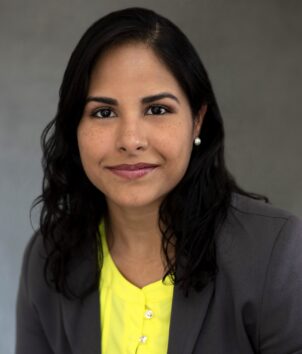
Jamilet Figueroa, CCC-SLP es una Patóloga del Habla y Lenguaje Certificada con más de diez años de experiencia trabajando con niños con discapacidades y sus familias. La Licenciada Figueroa es la creadora de la única aplicación Bilingüe de Terapia del Habla y Lenguaje para niños (Habla y Lenguaje App). A Jamilet le apasiona trabajar mano a mano con los padres y otros profesionales de la salud para brindar el mejor servicio a la población de niños con Síndrome de Down.


Este seminario web es uno de los muchos beneficios asociados con la membresía de GLOBAL Down Syndrome Foundation. Obtenga más información sobre la galardonada revista de GLOBAL, Down Syndrome World™ , y cómo convertirse en miembro de GLOBAL hoy.


Si tiene un familiar o un amigo querido con síndrome de Down, convertirse en miembro de GLOBAL hoy.


Aviso importante Los empleados y/o voluntarios de GLOBAL Down Syndrome Foundation NO actúan como su profesional médico o abogado. Las respuestas que reciba por correo electrónico, teléfono o de cualquier otra manera NO crean ni constituyen una relación médico-paciente o abogado-cliente entre usted y GLOBAL Down Syndrome Foundation (GLOBAL), o cualquier empleado u otra persona asociada con GLOBAL.

La información recibida de los empleados o voluntarios de GLOBAL, o de este sitio web, NO debe considerarse un sustituto del consejo de un profesional médico o abogado. GLOBAL NO brinda ningún asesoramiento médico o legal. Debe consultar con su propio médico o abogado para obtener asesoramiento médico o legal. Este sitio web es un servicio general que proporciona información a través de Internet. La información contenida en este sitio web es información general y no debe interpretarse como consejo médico que deba aplicarse a situaciones fácticas específicas.

A Loving Tribute to Carla Gene Shankle

June 27th, 2024 by Global Down Syndrome Foundation

A message from GLOBAL’s President & CEO, Michelle Sie Whitten

Cable Baby & Role Model

Growing up in the cable TV industry in Colorado (as I remember it) there were several friendly “camps” – the Bob Magness/John Malone camp, the Bill Daniels camp, the Glenn Jones camp, and the Gene Schneider camp to name a few. Being a self-described “cable baby” in the Magness/Malone camp, I was vaguely aware of other families my parents were friends with including Gene Schneider and his kids – Mark, Tina and Carla. Carla especially had the reputation of being one of the nicest people ever, but I didn’t get a chance to really get to know her until I moved back to Colorado with my husband Tom around 2000.

Carla and her equally wonderful and sweet husband Matt visited Tom and me after we told people publicly that our first-born child would have Down syndrome, and again several times after our Sophia was born.

They proudly introduced us to Alexandra who was about five years old at the time and was born with Shprintzen-Goldberg syndrome. There are less than 50 people with the syndrome worldwide – an extremely rare connective-tissue and cranial disorder characterized by craniofacial and skeletal anomalies and intellectual disability that affects developmental motor and communication skills, vision and hearing from birth.

It was clear to Tom and me that despite the multitude of surgeries and challenges Alexandra was facing, she was thoroughly loved and doted on by Carla and Matt and through that love she was able to communicate, be heard, and enjoy what she wanted to do.

While Tom and I may have already made the decision “to keep” Sophia (so embarrassing to think of it that way now), meeting Carla and Matt with Alex helped to confirm we were making the right decision. After all Tom and I loved each other to the moon and back, and our child would be a literal and figurative combination of the best of both of us. Just like our role models Carla and Matt.

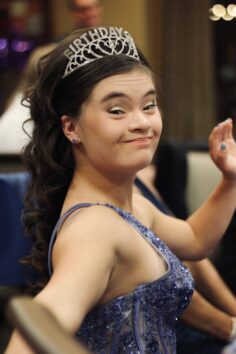
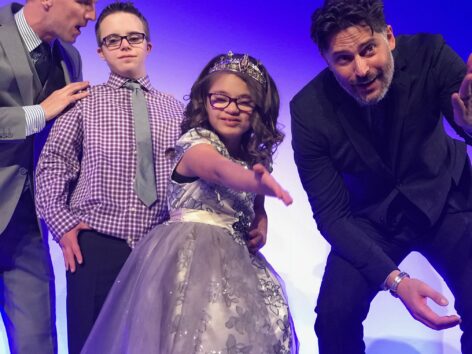
Years later, after I started the Global Down Syndrome Foundation, we had 16 people audition for the first Be Beautiful Be Yourself Fashion Show, and we were delighted that Alex was one of the models. Though we had intended to only have 10 we accepted all 16 models who had intellectual and developmental disabilities (IDD).

two women wearing tiaras, one standing and wearing a "Miss Colorado" sash and one sitting in a wheelchair, wave to a camera from a stage runway with the words "Down Syndrome Foundation" in the backdropA woman smiles and pushes another woman in a wheelchair down a stage runway with the silhouette of a cheering audience in the foreground. Two emcees stand at a podium behind them. three people on a stage; one man standing behind two women wearing dresses and blowing kisses; one woman is standing and one woman is in a wheelchairtwo women on a stage waving to an unpictured audience, one standing and wearing a "Miss Colorado" sash and tiara, one sitting in a wheelchair.

The original plan was to always have a mix of models with various IDD but by the third year of the fashion show we would have 50 names, all with Down syndrome, sign up within the first 20 minutes. Turns out being a model in our fashion show was one of MANY things Alex loved to do so she became the singular reminder each year that our children and adults with Down syndrome are part of a bigger community of fabulous people who happen to be differently-abled.

A Family & Community Legacy

Nine people dressed in formalwear standing on a red carpet with a GLOBAL-branded backdrop

When Alex’s siblings, Geno and the twins Holly & Kelsey were born, the number of people who adored Alex and also understood the value of diversity in the world grew exponentially. It was clear that Carla and Matt were beyond wonderful parents. Carla and the kids sadly lost Matt to cancer in 2011  but Carla somehow soldiered through with the amazing support of her sister Tina and family locally, her wonderful kids who were growing up to be as kind and giving as her and Matt, and a network of many, many friends from all walks of life.

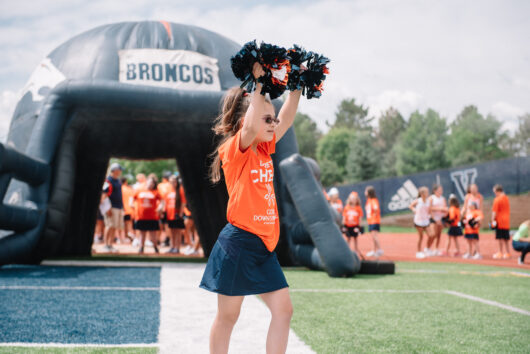
While Carla was no intellectual slack (she received her BA from Colorado College and her JD from DU Law School), she had a definite love for enjoying life – playing sports, watching sports (especially the Broncos), international travel, colorful clothes, and cocktails were some enjoyments at the top the list! She instilled the love for life and actively participating in all her children, and the fact that Alex was a Girl Scout Brownie, and continues to enjoy Right Step Horseback riding, Dare to Cheer, Dance Athletics Denver, National Sports Center for the Disabled (NSDC) and Adam’s camps, basketball, and baseball is a testament to how Carla ensured her family’s lives are filled with activity and happiness.

One thing that was always striking to me was that Carla always had people helping Alex who genuinely cared about Alex and who understood that she had desires – what color her nail polish was, what outfits to buy or wear, what activities to participate in. And her mischievous nature, which included the act of “stealing” your nose and then throwing it away while giggling, was always encouraged.

In addition, Geno, Holly and Kelsey were always there for Alex and volunteering in many of Alex’s activities. It was clear they felt infinitely comfortable with our Sophia and anyone who was differently-abled. Their gregarious natures meant loads of friends in and out of the Shankle household who also became friends with Alex and expanded their circles of diversity. Watching Carla and her family thrive was inspiring and sometimes unbelievable as she always made it look so seamless.

Tragically, Carla passed away last month at the age of 62 with her loving family by her side. It was no surprise that it was standing room only at Carla’s funeral or that everyone was asked to wear bright colors or that her preferred photo was with a drink and at a Broncos game! The speeches had us laughing more than crying and left us feeling that Carla had left a legacy for her four beautiful children and extended family as well as for our disability community where she was a fierce advocate for special needs rights, health and education.

Our hearts go out to Carla’s children. It is hard to understand how the world keeps going after someone as vibrant as Carla leaves us. At her funeral we were given consolation in that Carla, Matt, her parents and other loved ones will be united, but we will miss her deeply.

We are very moved that Carla and her family listed the Global Down Syndrome Foundation as one of the non-profit organizations that friends and families can donate to in honor of Carla’s life. We will work hard to honor the memory and legacy of Carla Gene Shankle and to make sure that Alex will always be a part of our GLOBAL family.

Carla Shankle Obituary.

GLOBAL Webinars en Español Junio 2024

June 14th, 2024 by Global Down Syndrome Foundation

Avances científicos que benefician a las personas con síndrome de Down


Dr. Espinosa Headshot

Resumen

En este importante webinar, el Doctor Espinosa presentó nuevos resultados cientificos que demuestran la importancia de la hormona del crecimiento, la oxigenacion pulmonar y la immunidad balanceada en la salud de las personas con síndrome de Down. Estos descubrimientos estan conduciendo a ensayos clinicos para usar nuevas medicinas que mejoren el desarrollo y bienestar de las personas con sindrome de Down.  Mostró cómo la desregulación del sistema inmunológico puede causar muchos problemas de salud en síndrome de Down.  También, señaló que las personas con síndrome de Down que participan en proyectos de investigación son permitir descubrimientos transformadores que ayuden a todas las personas con síndrome de Down.


Presentación de Diapositivas: Haga click aquí 

Video de la Presentación : Haga click aquí 


Doctor Espinosa es el director ejecutivo del Instituto Linda Crnic del Síndrome de Down en la Universidad de Colorado. Su equipo de investigación ha hecho descubrimientos sobre la importancia de un sistema inmune balanceado para la salud de las personas con síndrome de Down. Estos descubrimientos han llevado a nuevos ensayos de terapias inmunes para mejorar el bienestar de las personas con síndrome de Down.


Este seminario web es uno de los muchos beneficios asociados con la membresía de GLOBAL Down Syndrome Foundation. Obtenga más información sobre la galardonada revista de GLOBAL, Down Syndrome World™ , y cómo convertirse en miembro de GLOBAL hoy.


Si tiene un familiar o un amigo querido con síndrome de Down, convertirse en miembro de GLOBAL hoy.


Aviso importante Los empleados y/o voluntarios de GLOBAL Down Syndrome Foundation NO actúan como su profesional médico o abogado. Las respuestas que reciba por correo electrónico, teléfono o de cualquier otra manera NO crean ni constituyen una relación médico-paciente o abogado-cliente entre usted y GLOBAL Down Syndrome Foundation (GLOBAL), o cualquier empleado u otra persona asociada con GLOBAL.

La información recibida de los empleados o voluntarios de GLOBAL, o de este sitio web, NO debe considerarse un sustituto del consejo de un profesional médico o abogado. GLOBAL NO brinda ningún asesoramiento médico o legal. Debe consultar con su propio médico o abogado para obtener asesoramiento médico o legal. Este sitio web es un servicio general que proporciona información a través de Internet. La información contenida en este sitio web es información general y no debe interpretarse como consejo médico que deba aplicarse a situaciones fácticas específicas.

GLOBAL is thrilled to partner with Jack’s Basket to gift FREE one-year GLOBAL memberships to new parents who recently received a prenatal or postnatal Down syndrome diagnosis. Thanks to Jack’s Basket’s extensive distribution network, thousands of parents will enjoy newfound access to research and medical care GLOBAL Webinars and the award-winning Down Syndrome World magazine.

“We are grateful for the generous gift of a one-year GLOBAL membership to our basket recipients,” says Jack’s Basket Founder & CEO Carissa Carroll, M.Ed., “We hope our new and expecting families will get connected and experience the incredible education, research, and resources GLOBAL provides. We are thankful for GLOBAL’s support of our mission and believe our partnership aligns with our shared goals of ensuring that individuals with Down syndrome, their families, and providers have access to resources from the timing of diagnosis.”

 Since its inception in 2014, Jack’s Basket has sent free celebratory gift baskets to over 8,800 babies born with Down syndrome across all 50 states and 46 countries. Each Jack’s Basket contains baby gifts, the contact information of a parent raising a child with Down syndrome, and a collection of books and resources. Among these resources is the Prenatal & Newborn Down Syndrome Information Pamphlet created by GLOBAL in collaboration with The National Down Syndrome Congress and National Down Syndrome Society, which has been included in all Jack’s Baskets since 2023.

“Jack’s Basket is changing the diagnosis experience for parents around the country and the world, by providing a warm welcome – and vital information – to new parents,” says GLOBAL Vice President of Strategic Alliances David Tolleson, “We are very grateful to our friends at Jack’s Basket for providing our Prenatal & Newborn Information Pamphlet, as well as the opportunity to accept a one-year complimentary GLOBAL Membership, in their baskets!”

GLOBAL’s quarterly hour-long webinars cover important topics in Down syndrome research and medical care such as “How to Manage Swallowing Issues in Children with Down Syndrome” and “Sleep Apnea Across the Lifespan.” In addition to presenting on their area of focus, experts answer every question posed by webinar viewers in real time and/or in the weeks following. While presentation slides are available to the public, videos of new and archived webinars are a benefit for GLOBAL Members.


Down Syndrome World™ magazine has received 17 prestigious national awards for excellence in healthcare reporting, including gold, silver and bronze Aster and Healthcare Advertising Awards. The magazine features human interest stories, and features on research, medical care, and movers and shakers from politics to entertainment to non-profits. Keep an eye out for the Scholastic-style Fun Search towards the end of every issue!

Have you or a loved one recently received a Down syndrome diagnosis? Request a complimentary Jack’s Basket full of baby gifts and important resources, including the Prenatal & Newborn Down Syndrome Information Pamphlet, today!

Alex and Anthony: Out of the Box, Into the Spotlight

May 31st, 2024 by Global Down Syndrome Foundation

GLOBAL Chosen as Top Charity at Largest Conference for Women-Owned Businesses

May 29th, 2024 by Global Down Syndrome Foundation

We are honored to share that GLOBAL was selected as the top winner at the CEO Success Community Playing for Charity Corporate Night during the WBENC National Tradeshow in Denver in March 2024. This is the largest conference for women-owned businesses, connecting them with Fortune 500 companies through seminars and special events. 

“We selected GLOBAL as one of our three charity choices based on your outstanding work and in honor of our Tradeshow Booth Corporate Sponsor Kristin Malek, CDW, and my Aunt Diane, who had Down syndrome,” said Marianne Ellis, Co-Founder & CEO of CEO Success Community.  

The John Denver team’s exceptional music performance in Playing for Charity earned them the highest points, leading to their selection of GLOBAL as their charity of choice. Marianne Ellis, CEO/Co-Founder of CEO Success Community, shared a deeply personal connection, reflecting on Michelle’s story of her daughter Sophia and recalling her Aunt Diane’s own journey with Down syndrome. 

We extend our heartfelt gratitude to CEO Success Community, and all involved for their unwavering support and generosity. Special thanks to Lamont, Hanley & Associates, APM Music, and MPATH Music, who generously supported the event as charity sponsors. GLOBAL is proud to be impacting the larger community to advocate for and make a meaningful difference in the lives of individuals with Down syndrome. 

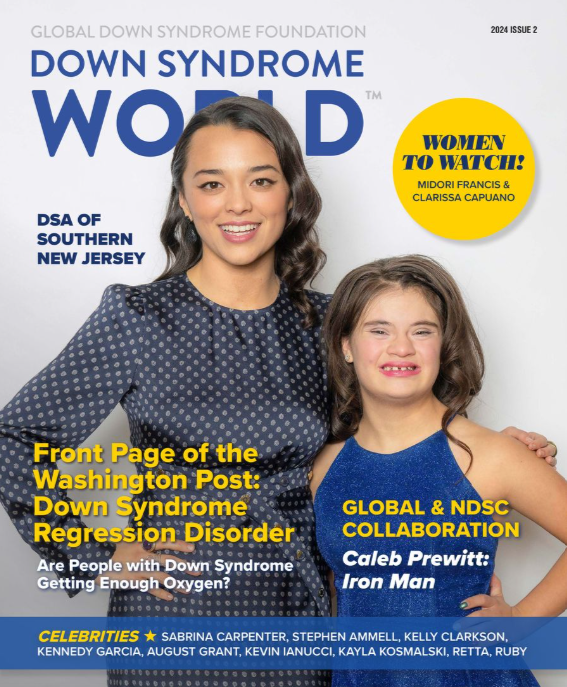
For many families, the threat of Down Syndrome Regression Disorder (DSRD) feels harrowing and constant. Gratefully, two scientists are leading the charge to understand and treat this heartbreaking condition, and thanks to one relentless mom/advocate, they’re working together.

Crnic Institute Executive Director Dr. Joaquin Espinosa and Children’s Hospital Los Angeles Director of Neuroimmunology had no idea they had been developing complementary research on DSRD until mom Linda Roan of Boulder, CO connected the dots for them. The two scientists joined forces to create the first-ever randomized clinical control trial to treat DSRD and secure its funding through NIH’s INCLUDE initiative.

“You hear the phrase ‘it takes a village’ a lot,” says Linda, “Global has been the leader in the village that has put recognition, funding, and advocacy for Down Syndrome Regression Disorder on the map.  Global’s lobbying and funding for DS research has made all the difference.  Miah is doing well largely due to the Crnic Institute, and we wouldn’t have Crnic without the vision of Michelle Sie Witten and Global.  I can’t thank them enough.”

“So many people helped me get better,” Miah shares, “My mom says that Global, who puts on the dances I love, is the same group that has made a big difference in helping my brain.  I really want to thank them.”

GLOBAL is so proud to support this brilliant work that is helping so many of our loved ones finally “wake up” again after descending into regression. We are just as proud to fight for the continued funding of INCLUDE, which makes life-saving research and clinical trials possible.

Read the full Washington Post article.

Learn more about this groundbreaking clinical trial.


   When the Down Syndrome Association of Southern New Jersey (DSASNJ) was formed in 2003, the small group of founding parents were focused on supporting their young children with Down syndrome. As those children have grown and blossomed over 20 years, DSASNJ has grown to service individuals and families from the prenatal stage to adulthood. The organization proudly serves over 120 families across the Southern New Jersey region.

Earlier this month, GLOBAL Vice President – Strategic Alliances, David Tolleson, met with Terri Bank and Dria Law, Co-Executive Directors of the DSASNJ, to discuss their work to build community and why they strongly support GLOBAL’s mission and resources, including the Medical Care Guidelines for Adults with Down Syndrome.

DAVID: Thank you for taking time out of your busy day to speak with me today. So excited to learn more about your important work. My first question is, how did you end up running a Down syndrome organization?

TERRI: My son was born in 2001. There was another group in the area that is still around and we’re very friendly with them, but at the time that group was focused on young teenagers and they really weren’t doing anything for young children. So, in 2003, 4 of us – all moms – started KIIDS. I started as co-chair but have only been off the board for 2 years since then.

DAVID: And remind me what does KIIDS stands for?

TERRI: Knowledge & Information about Individuals with Down Syndrome, though we’ve recently changed the name.

DRIA: I founded KIIDS when I moved to New Jersey in 2011, when my daughter with Down syndrome was heading into kindergarten. It was the first time since she was born that I really had the chance to take a breath, get my head above water, and take advantage of all the great opportunities and activities for her. Eventually, I found my way to KIIDS. Terri and I really clicked and we’ve been co-chairing for years.

DAVID: Tell us about your decision to change your name from KIIDS to DSANJ.


DRIA: It’s something that we kicked around for a couple of years. Going back to when I moved here, it took me awhile finding KIIDS. It wasn’t the easiest acronym to understand. During the pandemic, Terri and I were kicking around how to move from more of a social group to a professional nonprofit. Our constituent group had grown and widened. The children we started with are now young adults. We needed to have a name that better reflects what we do and that is easier for people to find and recognize what we do. It also helps with grant applications. The new name fits the protocol used by most groups nationwide and is easier to find online. We took the opportunity to have a designer fully overhaul our website, to make it much more usable and robust.

DAVID: Is your focus on adults as your population is growing part of the reason you and your board wanted to support the GLOBAL Adult Guidelines with a multi-year pledge?

DRIA: Yes, definitely. Our ages have widened so much. We had to stop and step back for a moment and realize that we have a lot of members over age 20, so we need to expand our activities and what we offer. We also partner with Nancy Hennefer and BUDS, because we have a lot of overlap and they have quite a significant adult population.

TERRI: As we’re doing more partnership activities with BUDS, we’re seeing a lot more people in their 30’s. We don’t know everything that’s going to be needed as this population ages, because there’s not a lot of research or clinical knowledge out there.

DAVID: You’re right. There’s only about a dozen adult Down syndrome clinics in the country, and most of those have severely limited hours or won’t see patients from out of state. GLOBAL has created and is continuing to add medical areas to the guidelines. Today, any healthcare provider anywhere can go online and find our peer-reviewed, evidence-based resource and understand how to better serve their patients with Down syndrome.

TERRI: It is so needed.

DRIA: We’ve pushed the Guidelines out. For those families who are paying attention and are aware, I’m sure it’s very helpful. We want to get it into more hands.

DAVID: Beyond the Adult Guidelines, how does GLOBAL’s research and medical care work make a difference to families in your community?

DRIA: We have a group that it definitely makes a difference for and a group that we’ve yet to reach. I remember the first time I went to the GLOBAL Research & Medical Care Roundtable at the NDSC Convention – I was blown away with the information and resources and depth of knowledge. More and more of our families have gone to the Roundtable over the years and that has been their introduction to GLOBAL. Those are the families that attend the webinars and read the materials and benefit. For those who don’t attend, they’re missing out.

TERRI: I think a lot of people don’t look for information until they need it, which is probably human nature.

DAVID: So many people get their information from social media these days. One thing you might want to consider is when you see a post about the Adult Guidelines, the Prenatal & Newborn Pamphlet, the various research studies, or other information you’d like your families to see, share it on your page.

DRIA: When I think about what had the biggest impact – what put GLOBAL on the map for our families – it was the Congressional hearing and Frank Stephens’ testimony (https://www.youtube.com/watch?v=D_DfwMxEwDM). Many of our families had heard of GLOBAL and knew about GLOBAL in a general sense. But Frank’s testimony was so impactful. It really brought the message home to a lot of our families that research is crucial. Hearing “self-advocate”, “congressional hearing”, “NIH”, and some of the funding numbers discussed was really impactful.

DAVID: Frank did an amazing job. We’re blessed to have him as a member of our Board. My last question is, do you have any advice to share parents – either new or those with a bit more experience?

TERRI: My biggest advice for parents is just get involved. Go to the events. Talk to new parents and old parents because that’s how we learn. We learn so much just by communicating with other parents through every stage of life. I’ve always learned by talking to someone who is a year or two ahead of me on this journey.


DRIA: Get involved and know there’s an amazing community out there for you. It’s so easy to stay in your own bubble, especially in those early, scary days. Get involved with other families. Check out the groups that are there and see what’s a good fit for your family. There are so many resources out there, like GLOBAL, and in the wider disability community, too. You’ll find reassurance, acceptance, and understanding. One of our goals with DSASNJ is to broaden the network of disability rights organizations we work with beyond the Down syndrome community. It really helps when working with school districts and the community.

DAVID: Particularly when you’re talking about advocacy on the state and federal level. Any meaningful change that has occurred over the years in disability rights has been by people working together. Thank you both for your time. You’re doing amazing things and paying it forward. It’s like you said, Terri – we’re now the more “seasoned” parents, but we learned it from those who came before us and now we need to pass it on to those coming behind us.

TERRI: When my son, Michael, was born, I was told that I was going to meet the best people and I thought, “I don’t need anymore friends,” but now I don’t know what I would do without this community.


GLOBAL Webinars en Español Abril 2024

April 30th, 2024 by Global Down Syndrome Foundation

Actualizaciones importantes de las pautas de atención médica para niños con síndrome de Down


Resumen

En este importante webinar, la Dra. Karla Adney Flores habló sobre: ¿Qué recomendaciones de la guía de 2022 son diferentes a las anteriores? ¿Qué es lo último en atención pediátrica para el síndrome de Down? ¿En dónde pueden acceder a la guía en español las familias y los médicos?


Presentación de Diapositivas: Haga click aquí 

Video de la Presentación: Haga click aquí 


Dra. Karla Adney Flores es Pediatra del Instituto Nacional de Pediatría. Realizó su posgrado en Atención Integral al Paciente Pediátrico con Síndrome de Down avalado por la UNAM. Tiene un Diploma en Tanatología y Consejería, y una Maestría en Ciencias. Actualmente es Jefa de Servicio de la Clínica para Niños con Síndrome de Down del Instituto Nacional de Pediatría, y Profesor de Alta Especialidad avalado por el Tec de Monterrey. Es fundadora y miembro de Red Down México. La Dra. Adney Flores se enorgullece de ser Miembro del Grupo de Interés Médico del Síndrome de Down y Miembro del consejo editorial internacional de la Revista Internacional del Síndrome de Down España.


Este seminario web es uno de los muchos beneficios asociados con la membresía de GLOBAL Down Syndrome Foundation. Obtenga más información sobre la galardonada revista de GLOBAL, Down Syndrome World™ , y cómo convertirse en miembro de GLOBAL hoy.


Si tiene un familiar o un amigo querido con síndrome de Down, convertirse en miembro de GLOBAL hoy.


Aviso importante Los empleados y/o voluntarios de GLOBAL Down Syndrome Foundation NO actúan como su profesional médico o abogado. Las respuestas que reciba por correo electrónico, teléfono o de cualquier otra manera NO crean ni constituyen una relación médico-paciente o abogado-cliente entre usted y GLOBAL Down Syndrome Foundation (GLOBAL), o cualquier empleado u otra persona asociada con GLOBAL.

La información recibida de los empleados o voluntarios de GLOBAL, o de este sitio web, NO debe considerarse un sustituto del consejo de un profesional médico o abogado. GLOBAL NO brinda ningún asesoramiento médico o legal. Debe consultar con su propio médico o abogado para obtener asesoramiento médico o legal. Este sitio web es un servicio general que proporciona información a través de Internet. La información contenida en este sitio web es información general y no debe interpretarse como consejo médico que deba aplicarse a situaciones fácticas específicas.