

Improving Quality of Life for Adults with Down Syndrome
October 25th, 2017 by Global Down Syndrome Foundation
A Lifetime Of Good Health Begins With Evidence-Based Guidelines
In the U.S., the life expectancy of an individual with Down syndrome has more than doubled in the last three decades, from 25 years in 1983 to 60 years today.
The reason for this increased lifespan is two-fold. First, the inhumane institutions where the overwhelming majority of people with Down syndrome were forced to live were dismantled in the 1980s and 1990s. This dismantling was a product of the human and civil rights movements of the 1960s and 1970s, which resulted in children with Down syndrome being raised in their homes and receiving education and medical care — basic rights they were deprived of in institutions.
Second, in the 1980s, there were considerable advancements in pediatric heart surgeries, as well as a legal battle that rightly ended with doctors being required to perform lifesaving procedures, including open-heart surgery, for children with Down syndrome.
Although people with Down syndrome are enjoying a significantly increased lifespan, their longevity is revealing some challenging age-related medical diagnoses. For example, it is estimated that approximately 70 percent of people with Down syndrome will develop Alzheimer’s disease. As they age, they are also at increased risk of many immune system disorders and obesity. Conversely, they are highly protected from several diseases, including most solid tumor cancers, such as breast cancer, as well as certain types of heart attacks and strokes. It is clear that people with Down syndrome have a different disease spectrum than typical people.
The American Academy of Pediatrics does an excellent job of periodically updating guidelines pediatricians should follow for their patients with Down syndrome. However, the last medical care guidelines for adults with Down syndrome were published in 2001. They provide many excellent insights and recommendations, but are in need of updates based on the increased lifespan of people with Down syndrome and advances in medical science.
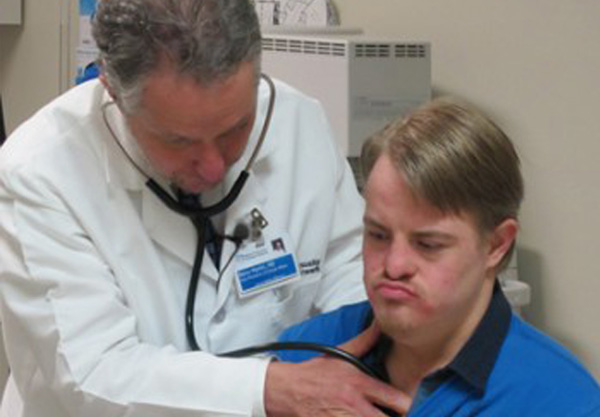
In 2015, the Global Down Syndrome Foundation’s Task Force for Adults with Down Syndrome, a team of more than 60 self-advocates, their family members, and medical professionals, unanimously voted for Global to make updating medical care guidelines for adults with Down syndrome a priority.
“The primary purpose is to improve the physical and behavioral health of, and medical care for, people with Down syndrome. That’s absolutely why we’re doing this,” said Dennis McGuire, Ph.D., LCSW,
Senior Consultant at Global. He helped create the first adult medical care guidelines and is tasked with helping galvanize some of the leading medical professionals in adult care to establish new, comprehensive guidelines. “When we’re talking about health care and behavioral health, we’re talking about improving people’s quality of life. That’s our goal.”
EMPOWERING DOCTORS TO PROVIDE BETTER CARE
The new Medical Care Guidelines for Adults with Down Syndrome will provide medical professionals with updated information about adults with Down syndrome and a checklist of recommended screenings and tests that cater to the unique medical profile of this special population.
 This article was published in the award-winning Down Syndrome World™ magazine. Become a member to read all the articles and get future issues delivered to your door!
Ideally, the guidelines will allow adults with Down syndrome to receive the best possible car e, regardless of where they live.
“There are only a few clinics in the entire country serving teens and adults with Down syndrome,” Dr. McGuire said. “So there are huge numbers of them without access to specialty care. They go to local doctors, who may see just a few people with Down syndrome over the course of a year. The guidelines can provide those physicians with a resource they can tr ust, which will help them deliver better care.”
ADDRESSING KEY AREAS OF MEDICINE
Initially, the new guidelines will cover medical car e across multiple disciplines, including cardiology, immunology, behavioral and mental health, and obesity/metabolism.
“We want to eventually cover many more areas,” said Michelle Sie Whitten, President and CEO of Global. “Unfortunately, Down syndrome is still one of the least-funded genetic conditions by our federal government. As a result, we won’t have enough evidence-based research to provide definitive guidelines in some areas but will rather be able to make recommendations. However, in identifying the research gaps, we can also prioritize such research so when we go back to update the guidelines in five years, we have targeted, more comprehensive research to rely on.”
“New health guidelines could prove beneficial for many reasons,” said Dr. McGuire, who worked for 25 years as a behavioral health expert at the Adult Down Syndrome Center at Advocate Lutheran General Hospital in Chicago. “For example, we’ve found that people with Down syndrome have a tendency toward depression. We also know there’s an overlap between physical and behavioral health. If people have thyroid problems, those can present as behavioral change. When people come in with changes in behavior, behavioral health professionals will recommend a thorough physical exam to make sure there are no physiological issues. If we’re treating depression without treating its physical causes, we’re not really helping [someone with Down syndrome].”
VETTING THE DATA
The first step in the creation of the new guidelines is a rigorous research process by the ECRI Institute, a nonprofit organization that conducts research to create evidence-based medical guidelines. ECRI works closely with the U.S. Department of Health and Human Services’ National Guideline Clearinghouse, which validates the guidelines.
“After that, we’ll gather information from the researchers and clinicians, put it into the form of actual guidelines, and make certain they are published in medical journals,” Dr. McGuire said. “ECRI’s role is to make sure that the quality of this process is extremely high.”
The project has attracted leading medical professionals from throughout the U.S. who provide clinical care to thousands of adult patients with Down syndrome every year. These clinicians will use the ECRI-vetted data as a basis to apply their vast knowledge in different areas and help craft guidelines and recommendations.
The entire process is expected to take two years, and the anticipated completion date is the end of 2018 with the guidelines being available for publication in early 2019.
A VALUABLE RESOURCE
The goal is to have the guidelines published in major medical journals to r each specialty fields and as many medical professionals as possible. The guidelines will be free to parents, caregivers, healthcare providers, and local Down syndrome organizations.
“Parents have always been, by far, the best advocates for people with Down syndrome,” Dr. McGuire said. “We’ve made certain to have a version available to families so they can use them to advocate for their sons and daughters .”
WORTH THE COST
The two-year-long process of creating the new Medical Care Guidelines for Adults with Down Syndrome is costly. Global Down Syndrome Foundation has committed to funding this important initiative, translating the guidelines into 10 languages, and updating them every five years. Global is reaching out to the Down syndrome community for donations, and so far, 28 Down syndrome organizations and multiple individuals have contributed. Their generosity will be recognized in the published guidelines.
“Research is expensive,” said Dennis McGuire, Ph.D., LCSW, Senior Consultant at Global. “Many groups have already stepped up to help fund the guidelines. They know how important this is and are very excited.”
Your ongoing support is crucial to ensuring the best-quality guidelines. To donate, visit
www.globaldownsyndrome.org/donate/
“Tens of thousands of people with Down syndrome reach adulthood each year, and this increases the importance of and need for evidence-based guidelines in this expanding group. Recommendations applied to a person with Down syndrome as a child may not be relevant in adulthood,” said Kent McKelvey, M.D., who leads the Adult Medical Genetics and Down Syndrome Clinic at the University of Arkansas for Medical Sciences. “The presence of three copies of chromosome 21 has implications for development and aging in every organ system. This seems logical and we have some understanding of the processes on a molecular level. We see patterns of disease predisposition with age but we have not translated this into a comprehensive medical management approach. A systematic process such as this is needed to find the gaps in the evidence and order the current evidence into usable guidelines for primary care doctors.”
Like this article? Join Global Down Syndrome Foundation’s Membership program today to receive 4 issues of the quarterly award-winning publication, plus access to 4 seasonal educational Webinar Series, and eligibility to apply for Global’s Employment and Educational Grants.
Register today at downsyndromeworld.org!
Global Down Syndrome Foundation announces new collaboration for groundbreaking Down syndrome – Alzheimer’s disease research project
October 18th, 2017 by Global Down Syndrome Foundation
$2.5 million initial commitment to launch project
DENVER –The Global Down Syndrome Foundation today announced that Biogen, a neuroscience leader has joined the Global Down Syndrome Foundation and the University of Colorado School of Medicine in a groundbreaking project that explores the connection between Alzheimer’s disease and Down syndrome.
The Crnic Institute Human Trisome ProjectTM (HTP) is an ambitious longitudinal and cross-sectional study that will recruit 1,000 individuals with Down syndrome (also known as Trisomy 21) and 500 typical individuals. Scientists and clinicians will sequence and study several layers of genomics information (all de-identified) from a single sample of blood. Saliva, stool and other samples are also being collected. The Crnic Institute HTP has already begun to significantly increase the speed of Down syndrome research and has enrolled nearly 300 participants in the first 11 months.
“People with Down syndrome have a different disease spectrum,” said Dr. Joaquín Espinosa, executive director of the Crnic Institute, and the principal investigator of the Crnic Institute HTP. “The Crnic Institute HTP will allow us to redefine Down syndrome from the least scientifically understood condition to one of the best understood conditions. In addition, it will provide unprecedented understanding of Alzheimer’s disease, autoimmune conditions, cancers and other medical conditions that people with Down syndrome are either very predisposed to or protected from, eventually enabling the development of new diagnostic and therapeutic tools.”
“This research will serve first and foremost people with Down syndrome, but also the millions of individuals without Down syndrome who are affected by the many medical conditions modulated by trisomy 21,” said Espinosa.
Biogen has committed more than $500,000 and additional in-kind resources to the Crnic Institute HTP to investigate the genome and epigenome of specific cell types in the blood that could inform the development of Alzheimer’s disease. This initial investment is being financed with funds from Biogen and $1 million from the University of Colorado School of Medicine at the Anschutz Medical Campus – home to the Linda Crnic Institute for Down Syndrome – with a matching gift of $1 million from the Global Down Syndrome Foundation.
“Down syndrome is still one of the least funded genetic conditions of the federal government, so we are extremely grateful for the commitment from CU and Biogen,” said Michelle Sie Whitten, president & CEO of the Global Down Syndrome Foundation. “This is just the beginning as we hope to attract other biopharmaceutical organizations and philanthropists committed to improving the lives of people with Down syndrome and other conditions.”
“The School of Medicine provides a home for outstanding biomedical research that leads to improved care for all,” said Dr. John J. Reilly, Jr., vice chancellor for health affairs and dean of the University of Colorado School of Medicine. “We are confident that this investment will have a significant impact on our understanding of the health of people with Down syndrome and that it will lead to discoveries informing the care we provide.”
“Our son is 38 years old and we are concerned that he may get Alzheimer’s,” said Jack and Penni Dorwart, whose son participated in the Crnic Institute HTP. “We also know that if we have high- quality research that there is the potential to significantly improve not only our son’s life but millions of others with Down syndrome who have many other medical issues that prevent good quality of life. That is why we participated in this study and we encourage others to do the same. We are grateful to the Crnic Institute and the Global Down Syndrome Foundation for taking on this difficult work and advocating for our children and adults.”
Learn more about in the Crnic Institute Human Trisome ProjectTM or sign up to participate in the study.
Society for Pediatric Pathology 2017 Presentation
September 24th, 2017 by Global Down Syndrome Foundation
Down syndrome in the 21st Century symposium attracts a roster of Global experts Global’s medical professionals, scientists, and self-advocates took center stage at this important symposium organized by the Society of Pediatric Pathology. They shared exciting updates and challenges facing patients with Down syndrome and their families.
Click to Download a Presentation on Pulmonary Development and Disease

MDC/Richmond American Homes Foundation provides generous research grant to the Global Down Syndrome Foundation
September 20th, 2017 by Global Down Syndrome Foundation
Kathy Green | kathygreen@globaldownsyndrome.org | (720) 280-9725
Anca Call | acall@globaldownsyndrome.org | (720) 320-3832
The research will focus on the relationship between Down syndrome and Huntington’s Disease
DENVER – The Global Down Syndrome Foundation (Global) announced that long-time Global supporter, MDC/Richmond American Homes Foundation, will fund a study exploring the connection between Down syndrome and Huntington’s disease.
Huntington’s disease is a fatal hereditary, genetic disorder that causes the progressive breakdown of nerve cells in the brain. The hope is that the $150,000 grant over three years will confirm the relationship, provide a pathway to therapeutics or a cure, and lead to larger grants funded by the federal government or international agencies.
The study is being led by renowned scientist Dr. Huntington Potter, director of the Alzheimer’s Disease Program at Global’s affiliate, the Linda Crnic Institute for Down Syndrome on the Anschutz Medical Campus. Preliminary research results show there is a mechanistic relationship whereby Down syndrome is defined by having three copies of chromosome 21 instead of two, and individuals with Huntington’s disease produce three copies of chromosome 21 in many of their cells.
“We are extremely grateful to MDC/Richmond American Homes Foundation and the Mizel family for their on-going support for people with Down syndrome,” said Michelle Sie Whitten, president and CEO of the Global Down Syndrome Foundation. “This additional research support will allow us further understand the connection between Down syndrome and Huntington’s disease, and hopefully help both people with Down syndrome and those with Huntington’s disease.”
“There is undoubtedly a connection between most major neurological disorders,” said Dr. Potter. “With Global’s support and this grant, we have the long-term opportunity to develop an early intervention and treatment to prevent the development of aneuploidy and consequent neural loss prior to dementia in both populations.”
About the Linda Crnic Institute for Down Syndrome and the Anna and John J. Sie Center for Down Syndrome
The Linda Crnic Institute for Down Syndrome is the first medical and research institute with the mission to provide the best clinical care to people with Down syndrome, and to eradicate the medical and cognitive ill effects associated with the condition. Established in 2008, the Crnic Institute is a partnership between the University of Colorado School of Medicine, the University of Colorado Boulder, and Children’s Hospital Colorado. Headquartered on the Anschutz Medical Campus in Aurora, the Crnic Institute includes the Anna and John J. Sie Center for Down Syndrome at Children’s Hospital Colorado.
Exploring the Roots of Lung Disease in Down Syndrome
July 2nd, 2017 by Global Down Syndrome Foundation
Could factors that prevent the formation of new blood vessels in the lungs account for the high prevalence of pulmonary disease in infants with down syndrome? The answer could have far-reaching implications that extend beyond lung health.
 This article was published in the award-winning Down Syndrome World™ magazine. Become a member to read all the articles and get future issues delivered to your door!
Conditions such as underdeveloped lungs, known as pulmonary hypoplasia, and high blood pressure in the arteries of the lungs, known as pulmonary arterial hypertension (PAH), occur in approximately 20 percent of children born with Down syndrome, according to data collected by Csaba Galambos, M.D., Ph.D., a pediatric pathologist in the Children’s Hospital Colorado Department of Pathology and Laboratory Medicine and Associate Professor of Pathology at the University of Colorado School of Medicine.
A group of researchers led by Dr. Galambos is exploring, for the first time, why individuals with Down syndrome are more susceptible to these conditions. His lab has hypothesized that central to the development of pulmonar y hypoplasia and PAH is the suppression of the process that prompts the growth of new blood vessels, a chain of events called angiogenesis. Their discoveries could lead not only to therapies for pulmonary disease in individuals with Down syndrome, but also to treatments that may improve lung development and function in all patients.
A DOUBLE-EDGED SWORD
Dr. Galambos’ fascination with angiogenesis began y ears ago, he read a paper by late angiogenesis r esearcher Judah Folkman, M.D., of Harvard University. Dr. Folkman’s research showed that solid tumors depend on newly formed blood vessels for their growth. Overexpression of chemical signals that block the process — known as angiogenesis inhibitors — may occur in people with Down syndrome. According to Dr. Galambos, that protective property may come with a downside in the form of pulmonary underdevelopment and dysfunction.
“Chromosome 21 has many genes that act as anti-vascular or antiangiogenic factors,” he said. “In people with Down syndrome, there is an excess of anti-angiogenic factors that could significantly block normal vessel development in all organs, including the lungs. Our goal is to explore a previously unrecognized role of the chromosome 21-specific anti-angiogenic factors that may lead to lung immaturity and increase the risk for severe PAH in infants and children with Down syndrome.”
MODELING ANGIOGENESIS
Using banked lung tissue samples, Dr. Galambos and colleagues created a number of different models to re-create angiogenesis and observe the effects of its impairment.
“We measured the messenger RNA expression levels of 84 angiogenesisrelated genes in Down syndrome fetal lung samples and typical controls, and we also looked at microscopic signs of impaired lung vascular growth,” Dr. Galambos said. “Not only did we discover that three potent chromosome 21-related anti-angiogenic factors are overexpressed significantly in the lung in utero, we also identified two other potent anti-angiogenic factors with significant overexpression that were unrelated to chromosome 21. Significantly, our analysis showed features of impaired vascular growth in these lungs.”
The next step for Dr. Galambos and his group was to develop cell-culture and animal models in which they could further test the effects of anti-angiogenesis.
“There are Down syndrome mouse models that carry three copies of portions of chromosome 21,” Dr. Galambos said. “We are excited that we are able to show, for the first time, that one of these models develops features characteristic of impaired lung development seen in the lungs of humans with Down syndrome.”
Dr. Galambos plans to use the mouse model to fur ther investigate the unique ways that Down syndrome affects angiogenesis, as well as the anti-angiogenic pathways that may play a role in abnormal pulmonary development and function. A 2017 C rnic Institute Grand Challenge Grant underwritten by the Global Down Syndrome Foundation will support his work. Dr. Galambos believes this research could produce findings — and point the w ay to novel therapies — that are applicable not only to patients with Down syndrome, but also to individuals in the gener al population with pulmonary hypoplasia and PAH.
THE NEXT FRONTIER?
Even as he explores the role of angiogenic impairment in lung disease, Dr. Galambos is pondering the possibility that it could also affect cognition in individuals with Down syndrome.
“It is well known that proper angiogenic signals are required for optimal nerve growth, supporting intellectual development,” he said.
“In Down syndrome and Alzheimer’s disease, nerve development and function are compromised. It has been shown that the thre edimensional vascular network of the brain is impaired in Alzheimer’s disease. It’s a realistic possibility that impaired angiogenesis not only causes underdeveloped lungs and PAH, but may also affect the development and function of neural networks of the brain in people with Down syndrome.”
Dr. Galambos believes a future in which clinicians use angiogenic therapies to treat lung disease and improve cognitive function in people with Down syndrome is possible — and he is doing his part to accelerate its arrival.
NEW INSIGHT INTO NEONATAL HYPOXEMIA
Infants born with lung disorders who do not respond to advanced respiratory therapies usually have low blood oxygen content, or hypoxemia, according to Csaba Galambos, M.D., Ph.D., a pediatric pathologist in the Children’s Hospital Colorado Department of Pathology and Laboratory Medicine and Associate Professor of Pathology at the University of Colorado School of Medicine.
Dr. Galambos and his colleagues recently identified a group of blood vessels in infants with hypoxemia, including those with Down syndrome, that permit nonoxygenated blood to enter the lungs, therefore contributing to potentially life threatening hypoxemia. Now, they want to learn how these vessels function.
“Our next step is to design animal models that can help identify the regulating mechanisms that open and close these vessels in lung disease, including pulmonary arterial hypertension (PAH),” Dr. Galambos said. “These data will allow us to test interventions that aim to close the vessels, and that will lead to better oxygenation, less severe lung disease, and improved survival of infants with lung disorders, including PAH.”
Csaba Galambos, M.D., Ph.D., a pediatric pathologist in the Children’s Hospital Colorado Department of Pathology and Laboratory Medicine and Associate Professor of Pathology at the University of Colorado School of Medicine, has received many notable grants to further his research into the links between lung disease and Down syndrome, including:
2014–2016 Jérôme Lejeune Foundation Grant, $39,000 “Role of Impaired Angiogenesis in the Pathogenesis of Severe Cardiopulmonary Disease in Children with Down Syndrome”
Role: Principal Investigator
2017 Crnic Grand Challenge Grant, $50,000 “Overexpression of Anti-angiogenic Genes Impairs Lung Development in Dp16 Mice”
Like this article? Join Global Down Syndrome Foundation’s Membership program today to receive 4 issues of the quarterly award-winning publication, plus access to 4 seasonal educational Webinar Series, and eligibility to apply for Global’s Employment and Educational Grants.
Register today at downsyndromeworld.org!
Global Down Syndrome Foundation Urges U.S. Senate To Maintain Important Patient Protections and Coverage As Part Of Health Reform Plan
June 26th, 2017 by Global Down Syndrome Foundation
Global Down Syndrome Foundation (Global) is a nonpartisan, leading research, medical care and advocacy organization for people with Down syndrome. Global believes strongly that all Americans, including members of our community, must have access to affordable, high-quality healthcare and health insurance coverage appropriate for their needs. Global urges Senators to keep key patient protections and health insurance coverage that are part of current law in any Affordable Care Act (also known as Obamacare) replacement bill that is considered by the Senate.
We encourage the Senate to:
- Ensure that people with pre-existing conditions like Down syndrome continue to have access to affordable, high-quality health insurance – regardless of whether or not they currently have insurance;
- Protect federal funding for Medicaid to ensure that people who received coverage under previous expansions won’t lose their insurance;
- Remove caps on federal contributions to state Medicaid programs – caps could result in persons losing coverage or those maintaining Medicaid coverage seeing a reduction in covered medical services and higher out-of-pocket costs; and
- Continue the Affordable Care Act provision that allows children up to age 26 to stay on their parents’ health insurance policies.
Time is of the essence – the Senate may hold a vote on this legislation this week. We urge all Global Down Syndrome Foundation advocates to contact your Senators immediately and urge the Senate to allow for a full and open debate on their healthcare proposal and to oppose any plan that removes current patient protections and coverage for individuals with Down syndrome. As the debate on health care reform continues, Global is engaged with our friends in Congress to protect the health and wellbeing of all individuals with Down syndrome.
Thank you for your advocacy and support!

Corresponding Phone Script:
“Hi. My name is _________ and I live in [Hometown, State].
“I’m a volunteer and advocate with the Global Down Syndrome Foundation. I am deeply concerned that the Senate version of the American Health Care Act will not include protections that are important for people with Down syndrome. In particular, I am concerned that this bill [1) doesn’t guarantee insurance coverage for people with preexisting conditions, 2) cuts federal funding for Medicaid expansion, 3) establishes caps on federal funding for Medicaid, and/or 4) would not allow people to stay on their parents’ health insurance plans up to age 26 – include one or more based on your specific concerns].
“I am also concerned that the public will not have enough time to review and provide feedback on this bill. I hope Senator ____ will work with [his/her] colleagues to make sure that there is ample time for debate and input on this bill.
“These healthcare protections are extremely important not only for people with Down syndrome, but for all Americans.
“Thank you.”
Decoding Dysphagia: Understanding Swallowing Challenges
June 22nd, 2017 by Global Down Syndrome Foundation
From Down Syndrome World Issue 3 of 4

Research shows that more than 50 percent of children with down syndrome who are referred for a swallow study are identified with swallowing problems, also known as dysphagia.
Since dysphagia can impact growth, nutrition, lung health, and participation in regular mealtime experiences, it is important for parents of children with down syndrome to know the potential signs of dysphagia and where to get help if a problem is suspected.
WHAT IS DYSPHAGIA?
Dysphagia can include difficulties in any of the three phases of swallowing:
- The oral phase, when the food/liquid is chewed and/or manipulated in the mouth to make it ready to swallow. Oral phase difficulties can include problems with extracting liquid from a breast, bottle, or cup, chewing, or controlling food/liquid in the mouth.
- The pharyngeal phase, when the food/liquid passes through the throat. Pharyngeal phase difficulties may include delay in starting the swallowing reflex, poor timing of closing off the airway before or during the swallow, and having residual material left in the throat after the swallow. These problems can lead to aspiration or entry of food/liquid into the airway.
- The esophageal phase, when the food/liquid passes from the throat through the esophagus to the stomach. Esophageal difficulties may include food/liquid moving slowly through the esophagus or getting stuck.
This article was published in the award-winning Down Syndrome World™ magazine. Become a member to read all the articles and get future issues delivered to your door!
Signs of dysphagia may include coughing, choking, having red/watering eyes, or sounding congested during or after feeding. Swallowing problems can also be silent, with no obvious signs or symptoms. In children who have frequent upper respiratory illnesses, pneumonia, or persistent oxygen requirement, doctors may suggest having swallowing evaluated, even if there are no clear signs of a problem.
HOW IS DYSPHAGIA DIAGNOSED?
If the child appears to be having problems only in the oral phase of the swallow, a feeding evaluation, during which a child’s feeding skills are observed by a specialist or team of specialists, may be recommended.
If compromised airway protection is suspected, the child’s doctor may order an imaging study. The two most common imaging studies used to diagnose swallowing problems are the videofluoroscopic swallow study (VFSS) and the fiberoptic endoscopic evaluation of swallowing (FEES). The VFSS is done in the radiology department and looks like a “moving X-ray” of the head and neck.
The FEES is typically conducted in the office of an ear, nose, and throat doctor, also known as an otolaryngologist. During the FEES, a small, flexible tube called an endoscope is inserted into the child’s nasal passages. The endoscope is attached to a bright light and a camera, which allow the team to view the inside of the nose and throat.
During the VFSS and the FEES, the swallow team, including a speech-language and/or occupational therapist and a physician (either a radiologist for VFSS or an otolar yngologist for FEES) observes aspects of the child’s swallowing function, such as his or her ability to clear the throat between swallows and protect the airway during swallowing. If a problem is detected, the swallow team may try different strategies to improve swallowing, such as offering a slower-flowing bottle nipple or changing the child’s position.
If difficulties of the esophageal phase of swallowing are suspected, an imaging study completed in radiology called an upper GI or esophagram may be ordered.
HOW CAN I HELP MY CHILD WITH A SWALLOWING PROBLEM?
The most important way that parents and medical providers can help children with dysphagia is to take steps to protect their children’s lungs, as ongoing aspiration can negatively impact pulmonary health. An evaluation with a pulmonologist for further assessment of lung health may be beneficial. Children with severe or persistent dysphagia may be referred to other medical specialists, such as an otolaryngologist or neurologist, for further evaluation as to the cause of the swallowing problem.
Maintaining adequate nutrition and hydration is another critical component of caring for children with swallowing problems. A dietician and/or gastroenterologist may be involved in the child’s care. After the swallow study, the evaluating team will provide recommendations about types of food and liquid that the child is able to swallow most safely. Modifying the child’s diet by minimizing exposure to foods that are more likely to be aspirated and offering foods that can be swallowed safely is an important step that can be taken to give the child the consistent experience of swallowing food and liquid with minimal aspiration.
For children who have severe dysphagia and are unable to swallow any food or liquid without aspirating, providing ongoing positive stimulation to the mouth through play, textured toys, and controlled experiences with small amounts of food and liquid (if approved by the medical team) can help the child maintain and develop skills for using his or her mouth.
Feeding and other developmental therapists can provide helpful services to children with swallowing disorders by teaching skills that support safe and functional feeding and swallowing. Those skills may include teaching the family appropriate positioning and pacing of the mealtime, working on underlying control and strength at the core of the body, and helping children control food or liquid more effectively in the mouth. It is important that therapy for feeding and swallowing issues is individualized for each child and addresses the areas of difficulty identified during the child’s feeding or swallowing evaluation.
PARENT TIPS FOR SWALLOW STUDIES
BEFORE THE STUDY:
- Find out what to expect during the swallow study. For example, will it be a videofluoroscopic swallow study or a fiberoptic endoscopic evaluation of swallowing? Will you be able to feed your child? What will
your child be eating and drinking? - Contact the swallow team ahead of time to make a plan that will work best for your child if you are concerned about whether your child will participate. Many hospitals have child life specialists who can help children be more comfortable during medical tests.
- Be aware that the swallowing team may make recommendations to change your child’s diet to help them swallow more safely.
DURING THE STUDY:
- Help the swallow team to support your child. Bring preferred cups, plates, utensils, foods, and drinks from home. Tell the team if your child has special routines that help him or her eat or drink.
- Make sure you understand the results and recommendations before you leave the appointment. Ask for clarification if you are unsure how to follow the recommendations at home.
AFTER THE STUDY:
- Discuss the results with your child’s doctor and/or medical team.
- Find out who to contact if your swallowing recommendations are not working or if you have follow-up questions.
—-
If your child’s pediatrician recommends a swallow study, visit a medical care center that specializes in treating patients with Down syndrome. Find one at bit.ly/global-medical-care.
About the Authors
Arwen Jackson, M.A., CCC-SLP, and Jennifer Maybee, OTR, M.A., CCC-SLP, are both speech-language pathologists and feeding and sw allowing specialists at the Anna and John J. Sie Center for Down Syndrome at Children’s Hospital Colorado. They work with parents and individuals with Down syndrome to manage dysphagia through the Sie Center’s weekly Feeding Clinic.
References
- Frazier, J. B., and Friedman, B. (1996). Swallow function in children with Down syndrome: a retrospective study. Developmental Medicine & Child Neurology, 38, 695–703.
- Jackson, A., Maybee, J., Moran, M. K., Wolter-Warmerdam, K., and Hickey, F. (2016). Clinical characteristics of dysphagia in children with Down syndrome. Dysphagia, 1–9.
- O’Neill, A. C., and Richter, G. T. (2013). Pharyngeal dysphagia in children with Down syndrome. Otolaryngology – Head and Neck Surgery, 149(1), 146–150.
Like this article? Join Global Down Syndrome Foundation’s Membership program today to receive 4 issues of the quarterly award-winning publication, plus access to 4 seasonal educational Webinar Series, and eligibility to apply for Global’s Employment and Educational Grants.
Register today at downsyndromeworld.org!
Protect NIH Funding in the Fiscal Year 2018 Budget: A Call to Action from the Down Syndrome Community
June 20th, 2017 by Global Down Syndrome Foundation


June 20, 2017, Denver | Global Down Syndrome Foundation (Global) is committed to protecting and advancing lifesaving and life-changing medical care and research that will significantly improve the health outcomes and quality of life for people with Down syndrome.
To this end, we are asking our families, friends and supporters to contact your Representatives today and urge Congress to work with our President to restore or increase federal funding for the National Institutes of Health (NIH) in fiscal year 2018. We are thrilled to have many of our national and international colleagues join Global in this ask: the National Down Syndrome Congress; LuMind Research Down Syndrome Foundation; Down Syndrome Affiliates In Action; International Down Syndrome Coalition; and the International Mosaic Down Syndrome Association.
Our Down syndrome community is made up of people from every background and political party. And our community deeply appreciates the leadership of our Republican and Democratic friends and allies in Congress in their effort to advocate for increased federal funding for the NIH, which conducts important research on Down syndrome and many other diseases and conditions that affect people with Down syndrome. Together, we want to make sure that the NIH continues to have sufficient funding to carry out its work, including Down syndrome research that is just beginning to regain momentum after two decades of flat funding.
Thanks to the dismantling of inhumane institutions where most people with Down syndrome were placed and increased access to medical care and local public schools, people with Down syndrome are living longer than ever: life expectancy has more than doubled from 25 years in 1983 to almost 60 years today. While this is encouraging, it also presents new challenges to ensure that people with Down syndrome receive the appropriate medical care they deserve throughout their lives. While people with Down syndrome are protected from certain solid tumor cancers, heart attacks and strokes, they are at higher risk for other diseases such as Alzheimer’s disease, certain blood cancers, and immune disorders. About 30% of people with Down syndrome also experience mental illnesses such as depression, obsessive-compulsive disorder, and conduct disorder, a rate which is notably higher than the general population.
Clearly, additional federal research is needed to advance our understanding of why people with Down syndrome are predisposed to certain ailments and protected from others. This will help us to understand and apply the best medical care for people with Down syndrome and also stands to help treat or cure the most prevalent diseases found in this population such as Alzheimer’s disease, heart disease, and cancer.
Please contact your Representatives today and urge Congress to work with our President to restore or increase federal funding for the NIH in fiscal year 2018. It is not only imperative for the well-being of people with Down syndrome, but all Americans!
Sample Message:
“Hi. My name is _________ and I live in [Hometown, State].
I’m a volunteer and advocate for people with Down syndrome. I am deeply concerned regarding our government’s budget request that would drastically cut to federal funding for the National Institutes of Health in fiscal year 2018. I am urging Representative __________ to oppose these proposed cuts and instead to increase funding for NIH. This support will advance lifesaving and life-changing scientific research that will significantly improve the health outcomes and quality of life for people with Down syndrome.
Please restore and increase funding for NIH. It is not only imperative for the well-being of people with Down syndrome, but all Americans!
Thank you.”
Global researches anchor T21RS International Conference
June 12th, 2017 by Global Down Syndrome Foundation
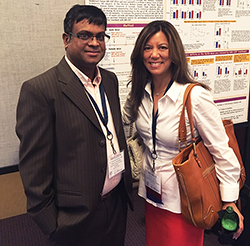 Global Down Syndrome Foundation is a founding member of the T21 Research Society. The Society is the first non-profit scientific organization of researchers studying Down syndrome, founded to promote basic and transnational research on Down syndrome and to apply new scientific knowledge to develop improved treatments and cures. After hosting a successful first conference in Paris, the society hosted a second conference in Chicago from June 7th to 11th. A number of Global affiliated scientists and scholars were invited to present their groundbreaking research:
Joaquin Espinosa, PhD
Associate Director for Science at the Global affiliated Linda Crnic Institute for Down syndrome
Understanding Down syndrome as an Interferonpathy: Espinosa’s explains the implications for the understanding of leukemia and other co-morbidities driven by trisomy 21
Ann-Charlotte Granholm-Bently, PhD
Researcher for the Down Syndrome-Alzheimer’s Disease Investigator program powered by Global, Linda Crnic Institute and the National Alzheimer’s Association
Novel mechanisms in Down syndrome pathophysiology: Designer receptors reveal an important role for noradrenergic systems in Down syndrome pathology
Roger Reeves, PhD
T21 President and a member of the Scientific Advisory Board for the Linda Crnic Institute for Down Syndrome
Breakthrough and oral communication sessions: Reeves lecture focuses on a specialized pro-resolution mediator approach to chronic inflammation in the Ts654Dn mouse model of Down syndrome
Katherine Waugh, PhD
Postdoctoral Fellow for the Crnic Institute
Flash Poster Presentation: Waugh’s presentation includes extensive perturbations of the immune system among individuals with Trisomy 21
Michelle Sie Whitten
Global President and CEO
Medical Policies for people with Down syndrome: Whitten discusses medical care for adults with Down syndrome and lifting barriers
Donna Willcock, PhD
Researcher for the Down Syndrome-Alzheimer’s Disease Investigator program powered by Global, Linda Crnic Institute and the national Alzheimer’s Association
Biomarkers of Alzheimer’s disease in Down syndrome: Wilcock shares how individuals with Down syndrome who have Alzheimer’s disease have a distinct neuroinflammatory phenotype compared to sporadic Alzheimer’s disease
Because Down syndrome research has generated findings that affect thinking regarding research on Alzheimer’s disease and solid tumor cancers, T21RS creates another forum for drawing attention to the need for further funding for Down syndrome research, which could in turn benefit everyone’s lives. Global and the Crnic Institute are at the forefront of this research and look forward to helping place a greater emphasis on collaborations worldwide.
The conference that presents the latest scientific developments in the field of Down syndrome research is powered by a dynamic team of scientists, researchers, and scholars from across the world:
Conference Organizers:
Roger Reeves, PhD
Johns Hopkins University School of Medicine
Jean Delabar, PhD
CNRS-ICM
Mara Dierssen, MD, PhD
CRG-Center for Genomic Regulation
John O’Bryan, PhD
University of Illinois Chicago
Scientific Program Committee:
Mara Dierssen, MD, PhD- Chair
CRG-Center for Genomic Regulation
Anita Bhattacharyya, PhD
University of Wisconsin-Madison
Cynthia Lemere, PhD
Harvard Medical School
Jean Delabar, PhD
CNRS-ICM
Dean Nizetic, MD, PhD
Nanyang Technological University Singapore
Jorge Busciglio, PhD
University of California-Irvine
Nicole Schupf, PhD, DrPH
Columbia University Medical Center
Pablo Caviedes, MD, PhD
University of Chile
Deny Menghini, PhD
Bambino Gesu Children’s Hospital
For more info on T21RS, visit T21RS.org.
Global Down Syndrome Foundation Shares Concerns on Latest Obamacare Repeal and Replace Legislation
May 1st, 2017 by Global Down Syndrome Foundation
People with Down syndrome and their families are Republicans, Democrats, and Independents. As a nonpartisan, leading research and advocacy organization, the Global Down Syndrome Foundation (Global) is focused on protecting and furthering the rights of people with Down syndrome regardless of party. To this end, we are deeply engaged with developments associated with health care reform, and we are providing an update to our friends and supporters on how this legislation may impact individuals with Down syndrome, how our community can participate in this national debate and take action.
Several weeks ago, President Trump, House Speaker Paul Ryan and other Republican leaders introduced the American Health Care Act (AHCA) to repeal and replace major pieces of the Affordable Care Act also known as Obamacare. The President could not garner enough votes within the Republican Party to pass the AHCA in the House. However, the President and his administration along with several members of Congress have continued negotiating further modifications to this legislative proposal and it is possible that the House of Representatives will schedule a vote as early as this week.
Global is encouraged that certain Obamacare provisions have been retained by the new proposal such as parents being allowed to keep their children up to age 26 on their health insurance policy. However, as the newly negotiated proposal stands, Global is concerned that there is not enough protection for people with pre-existing conditions. Given that Down syndrome may be considered a pre-existing condition by many health insurers and given the prevalence of other pre-existing conditions like certain cancers, and diabetes among individuals with Down syndrome, the importance of this issue cannot be overemphasized.
In particular, we respectfully urge our President and Congress to not include state waivers that would allow health insurers to charge much higher premiums to Americans with pre-existing conditions. We also oppose elimination of the “essential health benefits” requirement meaning health plans could discontinue coverage for many crucial medical services.
If you share these concerns, or have other concerns, please contact your local U.S. Representative and let them know that these areas of health care should not be sacrificed and that the most vulnerable Americans need protection.
As Congress continues debate on health care reform, Global is dedicated to working with our friends on both sides of the aisle, and with our Down syndrome and differently-abled communities, to ensure that people with Down syndrome continue to have access to affordable, quality health insurance.
Thank you for your advocacy and support!
Want to reach out to your U.S. Representatives to voice your concerns? Here’s a script to follow if you do contact them:
“Hi. My name is _________ and I live in [Hometown, State]. I’m a constituent and Global Down Syndrome Foundation advocate. My mailing address and/or email address is _______________ so that you can send me a response to my call.
I understand that the House of Representatives is considering legislation that would make changes to the patient protections in the Affordable Care Act.
I am particularly concerned about a provision in the legislation that would allow health insurers to charge much higher premiums to Americans with pre-existing conditions.
Some health insurance plans consider Down syndrome to be a pre-existing condition. Additionally individuals with Down syndrome have a much greater chance of having other pre-existing conditions like cancer, heart disease, and diabetes.
I am also deeply concerned that the bill would eliminate the “essential health benefits” requirement meaning health plans could discontinue coverage for many crucial medical services.
Please tell the Representative about these concerns and ask that they refrain from passing health reform legislation that eliminates these important patient protections and limits the scope of medical services available to our community.
Thank you.”
 Experience our inspirational and groundbreaking videos and photos. Our children and self-advocates are beautiful AND brilliant!
 Make sure your local Representatives are on the Congressional Down Syndrome Task Force.
Keep up with research news, upcoming programs, events and educational conferences.
Find us online here: