Archive for the ‘Research & Medical Care’ Category

The Importance of Immune System Dysregulation in People with Down Syndrome

November 8th, 2018 by Global Down Syndrome Foundation

Crnic

From Down Syndrome World Issue 3 2018

How does an extra copy of chromosome 21 drive the developmental and clinical features of Down syndrome? This question has been the subject of many investigations since 1958, when Jérôme Lejeune reported the Presence of trisomy 21 in cells of people with Down syndrome. The answer has remained elusive.

NOW, RESEARCH FROM the Linda Crnic Institute for Down Syndrome points to dysregulation of the immune system as a mechanism by which the extra chromosome would cause this multiorgan, multi-system condition. The implications of these results are profound, because they not only provide a new conceptual framework for future research, but also illuminate avenues for the development of novel diagnostic and therapeutic opportunities to improve health outcomes in Down syndrome. Of the more than 20,000 genes encoded in the human genome, chromosome 21 carries fewer than 300, the lowest number of genes on any human chromosome. While consensus among scientists is that Down syndrome is a “polygenic condition,” a condition caused by increased activity of more than one gene, it is also agreed that not all genes on chromosome 21 would contribute equally to the condition. If one were to select a random group of 300 genes, it is recognized that only a few genes would be master regulators of cellular and organismal function. What then are the master regulator genes on chromosome 21 with the greatest impact on human biology? To address this question, scientists at the Crnic Institute employed an approach known as functional genomics, which involves measurements of the activity of thousands of genes across the entire genome, to identify the gene networks most impacted by trisomy 21.

OVERACTIVE IMMUNE SYSTEMS?

The first set of results from the analysis of cells of people with Down syndrome (Sullivan et al., 2016) revealed that trisomy 21 causes constitutive activation of the gene network known as the Interferon response, a key branch of the immune system responsible for fighting off viral infections. In cells from typical people, the Interferon response was dormant, but cells from people with Down syndrome seemed to be fighting off a viral infection that just wasn’t there. These results immediately drove attention to four genes on chromosome 21 known as the Interferon receptors, which are required for cells and tissues to respond to a viral infection and whose triplication could potentially trigger constant activation of this arm of the immune system.

The second set of results from the analysis of blood samples (Sullivan et al., 2017) revealed signs of chronic autoinflammation in people with Down syndrome. Measurements of approximately 4,000 different proteins in the blood identified about 300 that are differentially abundant between people with and without Down syndrome, with about half of those 300 proteins being involved in the immune system. Importantly, this study revealed signs of both constant activation and exhaustion of different aspects of the immune system, with obvious ties to the Interferon response. It is well established that the Interferon response enhances anti-viral defenses, but too much Interferon activity eventually weakens antibacterial defenses. Indeed, the results of the blood analysis were consistent with a type of immune dysregulation caused by lifelong hyperactivation of the Interferon response.

Noteworthy, both studies revealed, among people with Down syndrome, strong inter-individual variation in the degree of activation of the Interferon response and autoinflammation, which could potentially be linked to the obvious clinical diversity in this population.


This article was published in the award-winning Down Syndrome World™ magazine. Become a member to read all the articles and get future issues delivered to your door!

GREATER INSIGHTS AND POTENTIAL TREATMENTS

These results have triggered a flurry of activity at the Crnic Institute to answer key follow-up questions: Which of the symptoms of Down syndrome could be explained by the observed immune dysregulation? To what degree is the immune dysregulation caused by triplication of the four Interferon receptors versus other genes on chromosome 21? What would be the diagnostic value of measuring immune dysregulation to predict the risk of the same person developing certain co-occurring diseases or conditions? What would be the therapeutic value of medications that inhibit the Interferon response and accompanying inflammatory process?

Several key facts are generating much enthusiasm in the pursuit of these answers. First, it is well established that a hyperactive Interferon response has negative effects on human development, as illustrated by type I Interferonopathies, a newly recognized class of genetic conditions caused by gene mutations that lead to activation of the Interferon response and share many symptoms with Down syndrome. Second, the pharmaceutical industry has developed many medications that inhibit the Interferon response, some of which are approved for the treatment of autoinflammatory conditions, such as rheumatoid arthritis, and are currently being tested for the treatment of autoimmune conditions more prevalent in Down syndrome, such as alopecia areata and vitiligo. Third, pioneer studies in mouse models of Down syndrome completed by Lenny Maroun, Ph.D., currently at the Crnic Institute, demonstrated that reducing the Interferon response improves the development of these mice (Maroun et al., 2000).

Altogether, this body of research justifies a strong investment in the study of the immune system in Down syndrome, with the obvious potential to develop diagnostic and therapeutic strategies to improve the well-being of those living with trisomy 21.

To learn more about research at the Crnic Institute, visit globaldownsyndrome.org/our-story/linda-crnic-institute.


References:

Maroun, L.E., Heffernan, T.N., and Hallam, D.M. Partial IFN-alpha/ beta and IFN-gamma receptor knockout trisomy 16 mouse fetuses show improved growth and cultured neuron viability. Journal of Interferon & Cytokine Research: the Official Journal of the International Society for Interferon and Cytokine Research. 2000; 20, 197–203.

Sullivan, K.D., Evans, D., Pandey, A., Hraha, T.H., Smith, K.P., Markham, N., Rachubinski, A.L., Wolter-Warmerdam, K., Hickey, F., Espinosa, J.M., et al. Trisomy 21 causes changes in the circulating proteome indicative of chronic autoinflammation. Scientific Reports. 2017; 7, 14,818.

Sullivan, K.D., Lewis, H.C., Hill, A.A., Pandey, A., Jackson, L.P., Cabral, J.M., Smith, K.P., Liggett, L.A., Gomez, E.B., Galbraith, M.D., et al. Trisomy 21 consistently activates the interferon response. 2016; eLife. 5.


Like this article? Join Global Down Syndrome Foundation’s Membership program today to receive 4 issues of the quarterly award-winning publication, plus access to 4 seasonal educational Webinar Series, and eligibility to apply for Global’s Employment and Educational Grants.
Register today at downsyndromeworld.org!

Global Webinar Series – Fall 2018 Recap

November 2nd, 2018 by Global Down Syndrome Foundation

FALL 2018

Supporting Aging Adults with
Down syndrome and Alzheimer’s Disease


What You Need to Know


Overview & Speakers:

This webinar reviews key research and behavioral strategies related to Alzheimer’s disease and Down syndrome. Huntington Potter, Ph.D, presents the most recent research discoveries about the relationship between Alzheimer’s disease and Down syndrome and Bryn Gelaro, LSW, discusses important behavioral strategies to support aging adults with Down syndrome. Find out what families and professionals need to know about Alzheimer’s disease to provide great care for aging adults with Down syndrome.

Key takeaways from this presentation are:

  • Recent Research Discoveries related to Alzheimer’s disease and
    Down syndrome
  • Common Behavior and Mental Health Concerns of Family Members of Aging Adults with Down syndrome
  • Behavior-Based Intervention Strategies Utilizing Behavioral Strengths of Adults with Down syndrome

Huntington Potter, Ph.D. is Professor of Neurology and Director of Alzheimer’s Disease Research in the Department of Neurology and the Linda Crnic Institute for Down Syndrome at the University of Colorado on the Anschutz Medical Campus. He discovered and is devoted to studying the mechanistic relationship between Alzheimer’s disease and Down syndrome. Prior to joining CU Denver, Dr. Potter studied, researched, and taught for at Harvard University for 30 years. He has authored over 100 scientific articles and books, holds 15 U.S. and foreign patents, and has received numerous awards for his work.

Bryn Gelaro

Bryn Gelaro, LSW, is a social worker with a background in behavioral health in adults with Down syndrome. As the Director of Adult Initiatives and Special projects at the Global Down Syndrome Foundation (Global), her work includes furthering Global’s adult care initiatives, serving as a project manager and co-author on the Adult Medical Health Care Guidelines, and supporting Global’s efforts to open a World Class Medical Clinic for adults with Down syndrome. She also provides behavioral health services under the supervision of Dr. Dennis McGuire, LCSW, at the pilot Adult Down Syndrome Clinic at Denver Health.


Overview:


Powerpoint Presentation: Click to Download


Important Notice

The Global Down Syndrome Foundation’s employees and/or volunteers are NOT acting as your medical professional or attorney. Responses you receive via electronic mail, phone, or in any other manner DO NOT create or constitute a doctor-patient or attorney-client relationship between you  and the Global Down Syndrome Foundation (Global), or any employee of, or other person associated with, Global.

Information received from Global’s employees or volunteers, or from this website, should NOT be considered a substitute for the advice of a medical professional or lawyer. Globaldownsyndrome.org DOES NOT provide any medical or legal advice. You should consult with your own doctor or lawyer for medical or legal advice. This website is a general service that provides information over the internet. The information contained on this website is general information and should not be construed as medical advice to be applied to any specific factual situations.


GLOBAL Webinars Archive

$2.9 Million For Down Syndrome & Alzheimer’s Research

October 31st, 2018 by Global Down Syndrome Foundation

Crnic Institute’s supergroup scientists received a $2.9 million grant from the National Institute of Neurological Disorders and Stroke (NINDS) at the National Institutes of Health (NIH) for their important research on beta-amyloid, the protein encoded on chromosome 21 that causes Alzheimer’s disease.

Because individuals with Down syndrome carry an extra copy of the gene that encodes the beta-amyloid, nearly every person with Down syndrome will develop the brain pathology of Alzheimer’s disease at a relatively young age. However, there are major gaps in the understanding of how beta-amyloid disrupts neuron function in Down syndrome and Alzheimer’s disease.

This team hopes to reveal how beta-amyloid causes the loss of connections between neurons so that new therapeutic strategies to block the neurotoxic activities of beta-amyloid can be developed.

Meet Our Scientists

Mark Dell’Acqua, PhD

Mark Dell’Acqua, PhD
Professor and Vice Chair of Pharmacology at University of Colorado Anschutz Medical Campus
Recipient of Crnic’s Grand Challenge Grant Program in 2013

Dell’Acqua’s research focuses on the role of calcium signaling in Alzheimer’s pathology.


Matthew Kennedy, PhD

Matthew Kennedy, PhD
Associate Professor at University of Colorado Anschutz Medical Campus, Department of Pharmacology
Recipient of Crnic’s Grand Challenge Grant Program in 2013 and 2015

Kennedy studies how increase beta-amyloid production causes synapse loss.


Ulrich Bayer, PhD

Ulrich Bayer, PhD
Professor at University of Colorado Anschutz Medical Campus, Department of Pharmacology

Bayer is focused on neurological disorders and how molecular mechanisms can affect learning, memory, and cognition.

A Center For Life-Changing Care

October 12th, 2018 by Global Down Syndrome Foundation

The Sie Center

From Down Syndrome World Winter 2017

Since its inception in 2010, The Anna and John J. Sie Center for Down Syndrome at Children’s Hospital Colorado has championed healthy starts and bright futures by caring for the unique medical needs of young people with down syndrome.

WHEN HER DAUGHTER, Sophia, was born with Down syndrome 13 years ago, Michelle Sie Whitten, President and CEO of the Global Down Syndrome Foundation, traveled more than 1,000 miles from her home in Denver to the Thomas Center for Down Syndrome Services at Cincinnati Children’s Hospital Medical Center to find the specialized medical care Sophia needed. After talking with other local families making the same trek, Whitten began exploring what it would take to bring a similar center to Colorado.

“The initial thinking was, ‘Why should we have to travel?’” Whitten said. “Why shouldn’t Colorado have a fabulous, world-class pediatric medical center for kids with Down syndrome?”

From Whitten’s due diligence and efforts, and funding from Sophia’s grandparents, Anna and John J. Sie, came the Sie Center, a medical center that opened in 2010 at Children’s Hospital Colorado as part of the Linda Crnic Institute for Down Syndrome.

PUTTING POTENTIAL WITHIN REACH

“There’s a lot of talk about people with Down syndrome reaching their full potential,” Whitten said. “At Global, we feel very strongly that without good health, you’ll never reach your full potential.”

Helping children and young adults up to age 21, the Sie Center’s team of medical professionals provides the expert care and resources needed to manage a wide range of physical and behavioral health issues associated with Down syndrome. These specialists work closely with primary care providers at Children’s Hospital Colorado to coordinate care and deliver services through seven clinics.

At the Medical Clinic, a developmental pediatrician, nurse, and physical therapist evaluate children’s medical issues and physical growth to develop a comprehensive care plan. During visits, kids may also see an occupational therapist as needed.


This article was published in the award-winning Down Syndrome World™ magazine. Become a member to read all the articles and get future issues delivered to your door!

The Sie Center’s Feeding Clinic offers families an opportunity to visit with a feeding and swallowing specialist, developmental pediatrician or nurse practitioner, physical therapist, and social worker. These providers help parents address muscle weakness and other issues with eating and drinking that can interfere with a child’s ability to breast-feed, chew, and/or swallow and therefore raise his or her risk of silent aspiration.

The ENT Clinic helps manage diseases of the ear, nose, and throat, including chronic ear infections, airway obstructions, and hearing loss. Approximately 70 to 75 percent of kids with Down syndrome deal with hearing loss, according to the Eunice Kennedy Shriver National Institute of Child Health and Human Development.

The Sie Center is the first center of its kind to have a full-time School-Age Clinic. The clinic’s educational specialist and psychologist help families develop individualized education programs and identify medical problems that may contribute to difficulties with behavior and learning. For example, a child who is acting out in gym class may do so because his feet hurt — not because he doesn’t want to participate in the activity.

“These specialists are like medical detectives,” Whitten said. “They work very closely to understand what’s happening at school and what modifications, support, and resources may be helpful.”

Through the Infant Clinic, babies receive a complete evaluation of their physical health to identify medical needs at a very early age.

At the Sleep Clinic, physicians evaluate children for sleep disorders and help parents troubleshoot solutions for common challenges, such as using a continuous positive airway pressure machine.

Currently, the Telemedicine Clinic connects Sie Center specialists with providers in Durango, Colorado, who treat children with Down syndrome, but Whitten said the goal is to expand the service to benefit the maximum possible number of patients.

In addition to these clinics, the Sie Center recently instituted a mental wellness program. Often, young people experiencing regression or warning signs of depression and anxiety are told that these symptoms are complications related to Down syndrome. However, these issues may be treatable mental illnesses, just as they would be for typical young adults.

A GLOBAL IMPACT

The clinic’s specialists are actively involved in clinical research projects that will help doctors around the world improve care for children with Down syndrome.

Arwen Jackson, MA, CCC-SLP; Jennifer Maybee, OTR, MA, CCC-SLP; Maura K. Moran; Kristine Wolter-Warmerdam; and Francis Hickey, M.D., FAAP, all with the Sie Center or Children’s Hospital Colorado, published their latest study on aspir ation in the international journal Dysphagia.

“Doctors at Children’s Hospital Colorado are also joint appointees at the University of Colorado School of Medicine, so we’re able to get a lot of medical students who are required to do a fellowship or some kind of rotation,” Whitten said. “Working with the Sie Center gives them an in-depth look at the best way to provide medical care to patients with Down syndrome, and that carries over to the care they give in the future.

“The services the Sie Center provides are nothing short of life-changing, if not lifesaving,” Whitten added. “I’ve spoken with parents who’ve told me, ‘I was always afraid, but now that I’m at the Sie Center, I understand what’s going on. I know what I’m supposed to be doing for my child’s health.’”

CARE COUNTS

The Anna and John J. Sie Center for Down Syndrome at Children’s Hospital Colorado is one of the largest centers of its kind in the world. Here’s a snapshot of the clinic’s impact:

• More than 1,500 visits take place at the Sie Center each year.
• The Sie Center serves approximately 1,300 patients annually.
• The pediatricians, specialists, and therapists at the Sie Center have more than 80 years collective experience caring for children with Down syndrome.
• Families representing 26 states, seven countries, and Puerto Rico seek care at the Sie Center.

Global provides continued financial support for the Sie Center. Visit The Sie Center web page to learn how you can help efforts to provide medical care for children and young adults with Down syndrome. 


Like this article? Join Global Down Syndrome Foundation’s Membership program today to receive 4 issues of the quarterly award-winning publication, plus access to 4 seasonal educational Webinar Series, and eligibility to apply for Global’s Employment and Educational Grants.
Register today at downsyndromeworld.org!
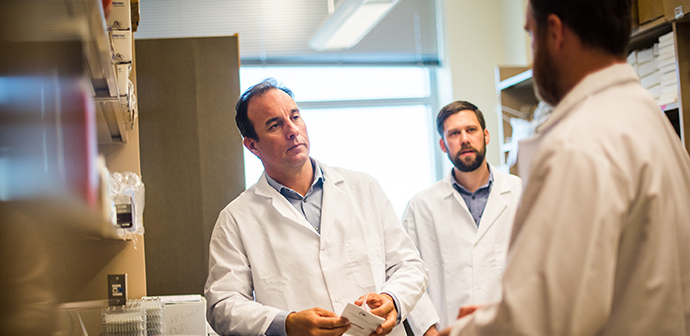
On September 26, 2018, 200 scientists met to discuss their newest important research on trisomy 21 at the Crnic Institute for Down Syndrome’s 8th Annual Down Syndrome Symposium.

Below, find a short, simple breakdown of the latest Down syndrome research. (And you don’t have to be a scientist to get it!) Click on the scientist’s bio for more detailed information on their work.

Your Science Recap:

Roger Reeves

Keynote Speaker Roger Reeves, PhD
Professor, John Hopkins University School of Medicine
Department of Physiology

Approaches to Down syndrome research
Mouse models have been a game-changer for Down syndrome research. Reeves talked about the advantages and disadvantages of the various mouse models of trisomy 21, on how they can advance our understanding of the organismal impacts of the extra chromosome.


Niklaus Mueller

Niklaus Mueller, PhD
Assistant Research Professor, Ophthalmology, CU AMC

Ocular Lens in Down Syndrome
70% of children with Down syndrome have vision issues. Mueller’s team studies how trisomy 21 impacts on the development of the ocular lens in people with Down syndrome causes. One goal of this research is to better understand the higher risk of visual impairments and potentially cure conditions like cataracts.


Stephanie Moon

Stephanie Moon, PhD
Post-doctoral researcher
Biochemistry, CU Boulder

White Matter Loss in the Brain
As individuals with Down syndrome age, there is distinct degenerative alterations in the so called ‘white matter’ in the brain. Moon’s team studies a condition known as Vanishing White Matter disease (VWMD) to see if there are common mechanisms between Down syndrome and VWMD.


Rani Powers

Rani Powers, PhD
Graduate student
Pharmacology, CU AMC

Human Trisome Project
Powers work on The Human Trisome Project, which studies why people with Down syndrome are protected from some medical conditions, such as solid tumor cancers, while highly predisposed to others, such Alzheimer’s disease. Powers’ specific research focuses on metabolic changes causes by the extra chromosome.


Lee Reinhardt

Lee Reinhardt, PhD
Assistant Professor
Biomedical Research, NJ Health

Respiratory Asthma & Allergy
The recurrent respiratory wheezing common in people with Down syndrome is often misdiagnosed as asthma. In fact, people with Down syndrome are naturally protected from certain forms of allergies. Dr. Reinhardt is investigating the mechanisms by which trisomy 21 alters the immune system toward an state that decreases the likelihood of developing allergies.


Charles Hoeffer

Charles Hoeffer, PhD
Associate Professor
IBG, CU Boulder

Sleep in Down syndrome
Hoeffer and his lab study how overexpressed genes in chromosome 21 affect various neurological processes in Down syndrome. Many people with Down syndrome have difficulty sleeping, which is often associated with obstructive sleep apnea. To learn more about this, Dr. Hoeffer’s team employed animals models of Down syndrome to perform deep analysis of sleep patterns, leading to discovery of sleep alterations distinct for obstructive sleep apnea.


Huntington Potter

Huntington Potter, PhD
Kurt and Edith von Kaulla Professor
Neurology, Crnic Institute, CU AMC

Alzheimer’s disease & Down syndrome
100% of people with Down syndrome will develop the brain pathology of Alzheimer’s disease by the time they are 40 years old, but the likelihood of developing dementia is highly variable. Studying the mechanistic relationship between the two conditions, Potter and his team are hard at work to find a cure. Dr. Potter’s team is currently completing clinical trials for an immune-modulatory molecule that effectively reverse Alzheimer’s pathology in mouse models.


Kathleen Gardiner

Katheleen Gardiner, PhD
Research Professor
Pediatrics, Crnic Institute, CU AMC

Learning and Memory in Down syndrome
Gardiner and her lab employ mouse models to understand the mechanisms leading to cognitive impairment in Down syndrome, with an special emphasis on the impact of age, sex, and genetic background.


To learn more about the work the scientists at the Crnic Institute are doing, visit here.

To participate in the Crnic Institute’s Human Trisome Project, visit here.

Crnic Institute Scientists Receive NIH and Lejeune Grants

July 26th, 2018 by Global Down Syndrome Foundation

We proudly support the important research of two of our Crnic Institute scientists, Katheleen Gardiner, Ph.D. and Michael Yeager, Ph.D. Dr. Gardiner received a R03 NIH grant to understand cognitive deficits in Down syndrome from Hsa21 orthologs on mouse chromosome 10 and Dr. Yeager received a Lejeune grant to study pneumonia in Down syndrome. NIH awarded Dr. Gardiner $52,750 from September 1, 2017 to August 31, 2019. The Jérôme Lejeune Foundation awarded Dr. Yeager $50,000 from August 18, 2017 to July 21, 2019.

Katheleen Gardiner, Ph.D.

Katheleen Gardiner

Dr. Katheleen Gardiner is a Professor in the Department of Pediatrics at the University of Colorado Denver and the Linda Crnic Institute for Down Syndrome. Dr. Gardiner received a B.S. degree in Honors Physics from McGill University in Montreal. She then spent 2 ½ years teaching high school general science and physics in Kanye, Botswana. She received a PhD from the Department of Biophysics and Genetics at the University of Colorado Health Sciences Center, for studies on RNA processing in bacteria, work which subsequently was awarded a Nobel Prize.

During a postdoctoral fellowship at the Eleanor Roosevelt Institute in Denver, Dr. Gardiner began working on Down syndrome, initially mapping genes on human chromosome 21 at the start of the human genome project. This work led to her chairing an international committee on genomic sequence annotation when the complete DNA sequence of human chromosome 21 was generated and published in 2000. Dr. Gardiner has continued to focus her research on human chromosome 21 and Down syndrome at the Eleanor Roosevelt Institute, then at the University of Denver. She moved to the University of Colorado in 2007 and joined the Crnic Institute for Down Syndrome in 2012. Current research focuses on protein expression in mouse and human model systems of Down syndrome, and combines wet bench experimental work with computational approaches. The goal is to identify critical patterns in gene expression that underlie learning and memory deficits and to manipulate these with drug treatments to rescue cognitive deficits.

Dr. Gardiner has organized that last two international conferences on Down syndrome and the biology of human chromosome 21 (in 2007 and 2004) in Washington DC, and co-organized similar conferences in 2000 and 1997, held at the Jackson Laboratory in Bar Harbor, and the Max Planck Institute in Berlin, respectively. She recently organized a conference entitled “Cognition in Down syndrome: molecular, cellular and behavioral phenotypes and the promise of pharmacotherapeutics.” It was held in Washington, DC, April 13-15, 2013.

Michael Yeager, Ph.D.

Michael Yeager is an Associate Professor in Pediatrics and Bioengineering at the University of Colorado. He earned his Ph.D. at CU in Experimental Pathology and completed post-doctoral fellowships at Johns Hopkins Medical Institutes and National Jewish Hospital. His primary research interests have focused on inflammation and fibrosis of the lung vasculature and the right ventricle in children and adults with pulmonary hypertension and idiopathic pulmonary fibrosis. Recently, he has been investigating why persons with Down syndrome are more susceptible to infectious lung disease. He is grateful to be funded to do this work by the Linda Crnic Institute for Down Syndrome, the American Heart Association, and the Jerome Lejeune Foundation.


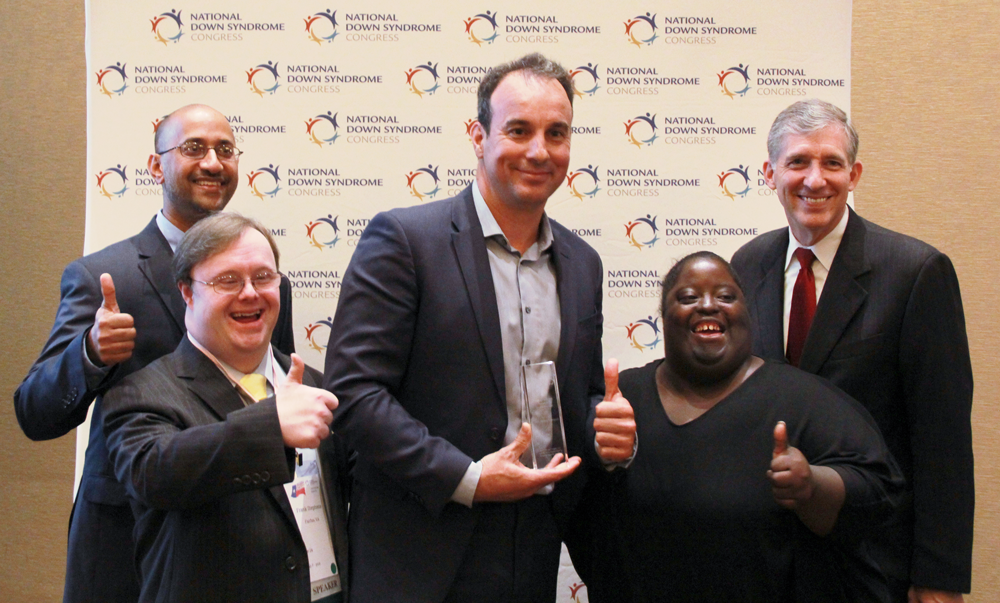
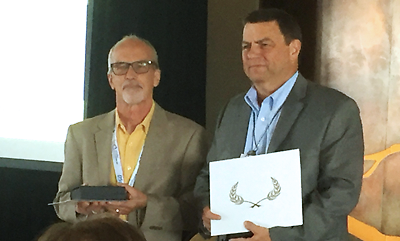
Dallas, TX – Dr. Joaquín Espinosa, Ph.D., Executive Director of the Linda Crnic Institute for Down Syndrome on the Anschutz Medical Campus (Crnic Institute), was awarded the National Down Syndrome Congress 2018 Pueschel-Tjossem Award for his scientific breakthrough recasting Down syndrome as an immune system disorder. Dr. Dennis McGuire, LCSW, Ph.D., Senior Consultant for Adult Medical Initiatives at the Global Down Syndrome Foundation (Global), received the 2018 Down Syndrome Medical Interest Group William I. Cohen MD, Distinguished Service Award for his lifetime work in behavioral and mental health for adolescents and adults with Down syndrome. He received the award along with his esteemed and accomplished colleague, Dr. Brian Chicoine, M.D.. Both awards were presented at the National Down Syndrome Congress (NDSC) Annual Convention.

Kishore Vellody, M.D., Frank Stephens, Joaquín Espinosa, Ph.D.,
DeOndra Dixon, and David Tolleson

Dr. Espinosa is a nationally and internationally renowned cancer scientist. As the Executive Director of the Crnic Institute, a Global Affiliate, he oversees the Crnic Institute Human Trisome Project™, studying how Down syndrome (trisomy 21) connects to cancer, Alzheimer’s, immune system disorders, and multiple other co-morbidities. He is also a Professor in the Department of Pharmacology and founding Director of the Functional Genomics Facility at the University of Colorado Anschutz Medical Campus School of Medicine, and co-Leader of the Molecular Oncology program at the University of Colorado Cancer Center. The NDSC Pueschel-Tjossem Award recognizes research that has contributed to greater knowledge and understanding of Down syndrome and has improved the lives of people with Down syndrome and their families.

Dr. Dennis McGuire and Dr. Brian Chicoine

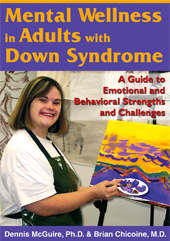
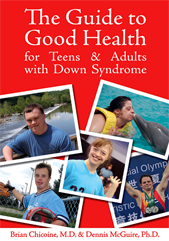
Dr. McGuire has more than 30 years of experience in the fields of mental health and developmental disabilities. He currently serves as Global’s Senior Consultant specializing in adult initiatives, including establishing a medical care center for adults with Down syndrome in Denver. Along with his colleague Dr. Chicoine, Dr. McGuire co-founded the Adult Down Syndrome Center of Lutheran General Hospital in Chicago, the largest, most prestigious clinic for adults with Down syndrome in the United States, where he served as Director of Psychological Services. Drs. McGuire and Chicoine co-authored two milestone books, Mental Wellness in Adults with Down Syndrome and The Guide to Good Health for Teens and Adults with Down Syndrome. Both doctors are serving as authors for Global’s Medical Care Guidelines for Adults with Down Syndrome – an important community service project.

The Down Syndrome Medical Interest Group-USA (DSMIG-USA) established the William I. Cohen, MD Distinguished Service Award in 2016 to honor a member for major contributions to DSMIG-USA’s mission of promoting the health and wellness of individuals with Down syndrome.

NDSC Pueschel-Tjossem Award Recipients

2018
Joaquín Espinosa, Ph.D.


2017
Michael Harpold, Ph.D.


2016
Christopher J. Lemons, Ph.D.


2015
Down Syndrome Consortium


2014
Marilyn Bull, M.D.


2013
Katheleen Gardiner, M.S., Ph.D.


2012
Wayne Silverman, Ph.D.


2011
Linda Crnic Institute for Down Syndrome


2010
Charles J. Epstein, M.D.


2009
Joseph D. Pinter, M.D.


2008
Roger H. Reeves, Ph.D.


2007
Beach Center on Disability


2006
Stephanie Sherman, Ph.D.


2005
Sue Buckley, OBE, Ph.D., (bsc)


2004
George T. Capone, M.D.


2003
Brian A. Chicoine, M.D.


2003
Dennis E. McGuire, LCSW, Ph.D.


2002
Joan Guthrie Medlen, M.Ed., RDN, LD


2000
Thomas E. Elkins, M.D.


1999
Steven F. Warren, Ph.D.


1997
Kathy Boundy, Esq.


1996
Arthur J. Dalton, Ph.D.


1995
Felix de la Cruz, M.D.


1994
Ruth A. Roberts, Ph.D.


1993
Laura F. Meyers, Ph.D.


1992
John E. Rynders, Ph.D.


1991
Donald C. Fyler, M.D.


1991
Aldo R. Castañeda, M.D., Ph.D.


1990
Mary Coleman, M.D.


1989
David Patterson, Ph.D.


1988
Siegfried M. Pueschel, M.D., Ph.D., J.D., M.P.H.

DSMIG William I. Cohen, MD Distinguished Service Award Recipients

2018
Dennis E. McGuire, LCSW, Ph.D.
Brian A. Chicoine, M.D.


2016
Kim McConnell, M.D.
George T. Capone, M.D.

Global Webinar Series – Summer 2018 Recap

June 29th, 2018 by Global Down Syndrome Foundation

 SUMMER 2018

Developing an Individualized Feeding Plan
for Your Child with Down Syndrome

What You Need to Know


Overview & Speakers:


There are many factors that impact the development of functional feeding skills in children with Down syndrome. In this webinar, presenters will introduce a framework for evaluating feeding in the areas of development, physiology, environment and medical status. For each area that impacts feeding, presenters will discuss accommodations that optimize meaningful mealtime participation. Specific attention will be paid to complex decision making for the development of feeding plans in patients with swallowing. Listeners will be able to identify resources to support a developmentally appropriate feeding plan.

Meet the team of experts:
Bridget Harrington, MA, CCC-SLP, Carol Spicer, OTR/L, Arwen Jackson, MA, CCC-SLP,
Jennifer Maybee, OTR, MA, CCC-SLP, and Margaret Spring, MS, OTR/L

The webinar presenters are clinical experts in feeding and swallowing at the Sie Center for Down Syndrome at Children’s Hospital Colorado staffing a number of medical specialty clinics including Aerodigestive Program and Feeding and Swallowing Program. These clinicians have contributed significantly to the advancement of clinical research and education for pediatric patients with Down syndrome.


Overview:


Powerpoint Presentation: Click to Download


Additional Resource: Food Textures Handout


Important Notice

The Global Down Syndrome Foundation’s employees and/or volunteers are NOT acting as your medical professional or attorney. Responses you receive via electronic mail, phone, or in any other manner DO NOT create or constitute a doctor-patient or attorney-client relationship between you  and the Global Down Syndrome Foundation (Global), or any employee of, or other person associated with, Global.

Information received from Global’s employees or volunteers, or from this website, should NOT be considered a substitute for the advice of a medical professional or lawyer. Globaldownsyndrome.org DOES NOT provide any medical or legal advice. You should consult with your own doctor or lawyer for medical or legal advice. This website is a general service that provides information over the internet. The information contained on this website is general information and should not be construed as medical advice to be applied to any specific factual situations.


GLOBAL Webinars Archive

Michelle Sie Whitten, who heads the Denver-based Global Down Syndrome Foundation, has big hopes for new research at the University of Colorado, where scientists say they have upended the conventional wisdom that Down syndrome is a brain disorder. Instead, they classify it as a malfunction of the immune system.

Crnic Institute study published in American Scientist Magazine

December 26th, 2017 by Global Down Syndrome Foundation

People with Down syndrome are the largest human population with a genetic predisposition to develop early-onset Alzheimer’s disease. By the time they reach age 40,100 percent of people with Down syndrome develop the brain pathology of amyloid plaques and neurofibrillary tangles that precede cognitive decline, and a fraction (4 percent to 55 percent) go on to develop dementia by age 59. If researchers could understand why, it could help both people with Down syndrome and those with Alzheimer’s disease.