

Global Webinar – Medical Care Guidelines
January 9th, 2020 by Global Down Syndrome Foundation
Global Medical Care Guidelines for Adults with Down Syndrome: A Legacy Supporter Update!
What You Need to Know
Overview & Speakers:
We look forward to sharing our progress and to providing a sneak peek with you at our exclusive webinar for our generous Global Members and guideline supporters. This webinar is in addition to our quarterly Global Membership webinar series and is an exclusive, free benefit to YOU our Legacy Supporters. In this webinar Global President and CEO, Michelle Sie Whitten, and Director of Adult Initiatives & Special Projects, Bryn Gelaro, to present on the following topics:
• Results from our focus groups
• Success stories (already)
• PICOTS & Grade System framework
• Managing Expectations – what the guidelines do and do not include
• Overachieving! Possible Toolkits…
• Distribution, Education & Outreach
• How you can help
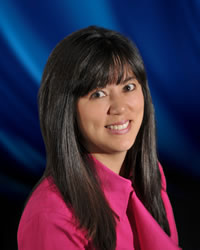 Michelle Sie Whitten, MA |
Michelle Sie Whitten, MA is the Co-Founder, President and CEO of the Global Down Syndrome Foundation (Global). Global is dedicated to significantly improving the lives of people with Down syndrome through Research, Medical Care, Education, and Advocacy. Prior to her career in the non-profit sector, Michelle was a cable TV pioneer in East Asia working for Liberty Media Corporation and Starz Encore. Her academic career was focused on international security and diplomacy and she holds a Masters degree and business certificate from Harvard University. She graduated Magna Cum Laude with a Bachelors degree from Tufts University and studied Mandarin Chinese and Women Studies at Peking University. Michelle is married to Tom, a British curator of Chinese contemporary art and they have two adorable kids, one of whom has Down syndrome. |
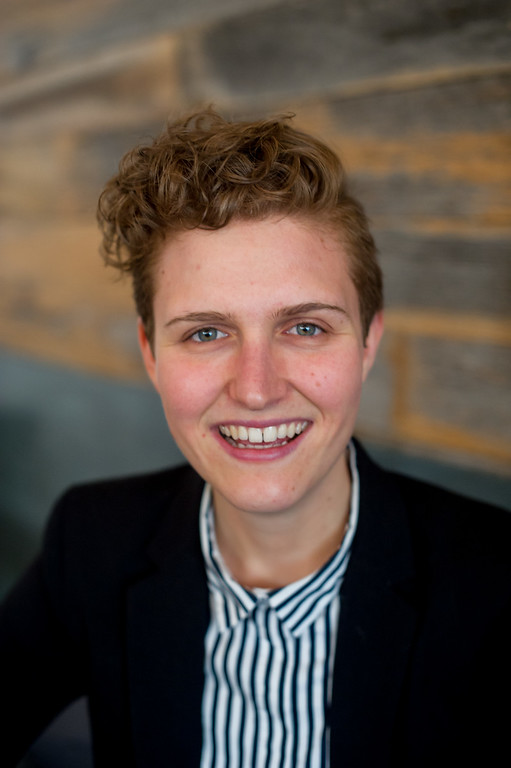 Bryn Gelaro, LSW |
Bryn Gelaro, LSW is a Licensed Social Worker with background in behavioral health with adults with Down syndrome. Bryn was a consultant for the Global Down Syndrome Foundation from 2015 to 2017 prior to her current position as the Director of Adult Initiatives and Special Projects. Her work includes supporting Global’s efforts to open a World Class Medical Clinic for adults with Down syndrome and overseeing international projects, including in Uganda and Albania. Bryn is the co-Author and project manager for the Global Medical Care Guidelines for Adults with Down Syndrome overseeing the communication between work group members, maintaining guideline deliverables and timeline, and managing the edits of the guideline manuscript. Bryn earned her Bachelor of Science in Psychology from the Pennsylvania State University and a Masters degree in social work from the University of Chicago. She completed her Master’s graduate field training at the Adult Down Syndrome Clinic in Chicago where she was fortunate to have mentorship from Dr. Dennis McGuire and Dr. Brian Chicoine. |
Powerpoint Presentation: Click to Download
Important Notice
The Global Down Syndrome Foundation’s employees and/or volunteers are NOT acting as your medical professional or attorney. Responses you receive via electronic mail, phone, or in any other manner DO NOT create or constitute a doctor-patient or attorney-client relationship between you and the Global Down Syndrome Foundation (Global), or any employee of, or other person associated with, Global.
Information received from Global’s employees or volunteers, or from this website, should NOT be considered a substitute for the advice of a medical professional or lawyer. Globaldownsyndrome.org DOES NOT provide any medical or legal advice. You should consult with your own doctor or lawyer for medical or legal advice. This website is a general service that provides information over the internet. The information contained on this website is general information and should not be construed as medical advice to be applied to any specific factual situations.
Global Webinars:
Winter 2019: CPAP, Hearing Aids, & Glasses, Oh My! How to Help my Child & Adult Wear their Medical Equipment
Fall 2019: What Families Need to Know: Utilizing the Pediatric Medical Care Guidelines for Down Syndrome
Summer 2019: Self-Advocates Win Landmark Federal Funding for Research: Join Global – Join the Movement
Spring 2019: Take A Deep Breath: Lung Infection & Cognition in Down Syndrome
Winter 2018: Physical Therapy for Children with Down syndrome & How to Set your Child Up for Successful Learning Experiences
Fall 2018: Supporting Aging Adults with Down syndrome and Alzheimer’s Disease
Summer 2018: Developing an Individualized Feeding Plan for Your Child with Down Syndrome
Spring 2018: An Unprecedented and Exciting Down Syndrome Research Discovery Engine – The Crnic Institute Human Trisome Project
Winter 2017: Get Moving, Be Awesome! – Physical Therapy & Fitness for Adolescents & Adults with Down Syndrome
Fall 2017: Promoting Skills to Survive & Thrive in the Teen & Adult Years
Summer 2017: Multimodal Approach to Teaching Children with Down syndrome Speech & Language Skills
Spring 2017: Potty Time! A Journey to Successful Toilet Training
Global Webinar Series – Winter 2019 Recap
December 16th, 2019 by Global Down Syndrome Foundation
WINTER 2019
CPAP, Hearing Aids, & Glasses, Oh My! How to Help my Child & Adult Wear their Medical Equipment
What You Need to Know
Overview & Speakers:
This webinar will explain the frequency of diagnoses and importance of adherence to help your child and/or adult wear their medical equipment. Key takeaways include:
• Common types of challenging behaviors that children and adults with Down syndrome may have when working to wear medical equipment
• A step-by-step plan for increasing use of medical equipment
• Motivators for avoiding wearing medical equipment and how to manage these behaviors
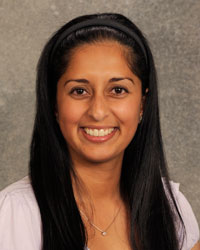 |
Lina Patel, PsyD joined the Sie Center for Down Syndrome at Children’s Hospital Colorado as Director of Psychology in November of 2012. She has extensive experience in treatment planning, parent support, diagnostic evaluation, and intervention. As she believes that behavioral challenges arise for many different reasons, she prides herself in coordination of care with community providers, educational supports, medical team members, and caregivers. Additionally, she conducts clinical research to better understand how neurodevelopment impacts behaviors. |
Overview: Click to Listen
Powerpoint Presentation: Click to Download
Additional Handout: Click to Download
Important Notice
The Global Down Syndrome Foundation’s employees and/or volunteers are NOT acting as your medical professional or attorney. Responses you receive via electronic mail, phone, or in any other manner DO NOT create or constitute a doctor-patient or attorney-client relationship between you and the Global Down Syndrome Foundation (Global), or any employee of, or other person associated with, Global.
Information received from Global’s employees or volunteers, or from this website, should NOT be considered a substitute for the advice of a medical professional or lawyer. Globaldownsyndrome.org DOES NOT provide any medical or legal advice. You should consult with your own doctor or lawyer for medical or legal advice. This website is a general service that provides information over the internet. The information contained on this website is general information and should not be construed as medical advice to be applied to any specific factual situations.
GLOBAL Webinars Archive
2026
2023
2022
2021
2019
CPAP, Hearing Aids, & Glasses, Oh My! How to Help my Child & Adult Wear their Medical Equipment
What Families Need to Know: Utilizing the Pediatric Medical Care Guidelines for Down Syndrome
Self-Advocates Win Landmark Federal Funding for Research: Join GLOBAL – Join the Movement
Take A Deep Breath: Lung Infection & Cognition in Down Syndrome
2018
Global Webinar Series – Fall 2019 Recap
October 24th, 2019 by Global Down Syndrome Foundation
FALL 2019
What Families Need to Know: Utilizing the Pediatric Medical Care Guidelines for Down Syndrome
What You Need to Know
Overview & Speakers:
This webinar discusses the importance of utilizing the American Academy of Pediatrics Guidelines Health Supervision of patients with Down Syndrome, published in 2011. Find out what families need to know. Key takeaways from this presentation are:
• To better comprehend the utilization of the Guidelines in medical care of our kids
• To recognize the importance of ongoing thyroid, hearing and vision
• To understand the increased risk of respiratory illnesses including pulmonary illnesses, pneumonia, and aspiration in individuals with Down Syndrome
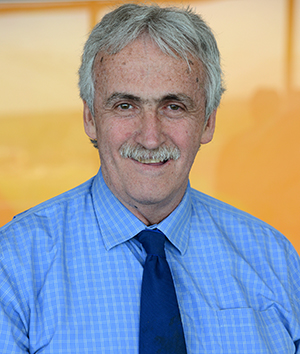 Francis Hickey, MD |
Fran Hickey, MD joined the Linda Crnic Institute for Down Syndrome as Medical Director of its Anna and John J. Sie Center for Down Syndrome in 2010 and he has been involved in the care of individuals with Down syndrome for over 2 decades. Since 2010, Dr. Hickey has organized a multi-disciplinary team of experts interested in children with Down syndrome along with a dedicated research team. He has evaluated nearly 1800 unique individuals with Down Syndrome from across the country and internationally the past 9 years. Sie Center clinics developed include: General Clinics, Infant Clinic, Feeding Clinic, School Age Clinic, Prenatal Clinic, and 2 Sleep Clinics. His research has concentrated on clinical studies involving identification and interventions for comorbidities found in children with Down syndrome. Dr. Hickey has directed over 30 research projects. He has authored or co-authored 30 articles in scholarly publications on Down syndrome. Also, he has developed an academic teaching program on Down syndrome for residents, medical students and fellows who have rotated through the Sie Center clinic. The team developed an innovative Down Syndrome Guideline Chart 1-page summary chart of AAP Guidelines Health Supervision of Down Syndrome Patients. Dr. Hickey and his wife, Kris, are the parents of four children, one of whom has Down syndrome. |
Key Takeaways:
Powerpoint Presentation: Click to Download
Additional Handout: Click to Download
Important Notice
The Global Down Syndrome Foundation’s employees and/or volunteers are NOT acting as your medical professional or attorney. Responses you receive via electronic mail, phone, or in any other manner DO NOT create or constitute a doctor-patient or attorney-client relationship between you and the Global Down Syndrome Foundation (Global), or any employee of, or other person associated with, Global.
Information received from Global’s employees or volunteers, or from this website, should NOT be considered a substitute for the advice of a medical professional or lawyer. Globaldownsyndrome.org DOES NOT provide any medical or legal advice. You should consult with your own doctor or lawyer for medical or legal advice. This website is a general service that provides information over the internet. The information contained on this website is general information and should not be construed as medical advice to be applied to any specific factual situations.
GLOBAL Webinars Archive
2026
2023
2022
2021
2019
CPAP, Hearing Aids, & Glasses, Oh My! How to Help my Child & Adult Wear their Medical Equipment
What Families Need to Know: Utilizing the Pediatric Medical Care Guidelines for Down Syndrome
Self-Advocates Win Landmark Federal Funding for Research: Join GLOBAL – Join the Movement
Take A Deep Breath: Lung Infection & Cognition in Down Syndrome
2018
Global Webinar Series – Summer 2019 Recap
July 23rd, 2019 by Global Down Syndrome Foundation
SUMMER 2019
Self-Advocates Win Landmark Federal Funding for Research: Join Global – Join the Movement
What You Need to Know
Overview & Speakers:
This webinar reviews how the Global Down Syndrome Foundation (Global) has worked with Self-Advocates, Congressional Champions, Scientists and the National Institutes of Health (NIH) to increase Down syndrome research funding at the NIH for the first time in nearly twenty years. Key takeaways from this presentation include:
• The importance of research and medical care in elongating life and improving the quality of life
• The history of Down syndrome being one of the least funded genetic conditions at the NIH
• Global’s AMAZING progress – science and NIH funding
• The Challenges still ahead
• What Self-Advocates and families can do to support life-changing and life-saving research and medical care for people with Down syndrome
|
Michelle Sie Whitten, MA |
Michelle Sie Whitten, MA is the Co-Founder, President and CEO of the Global Down Syndrome Foundation (Global). Global is dedicated to significantly improving the lives of people with Down syndrome through Research, Medical Care, Education, and Advocacy. Prior to her career in the non-profit sector, Michelle was a cable TV pioneer in East Asia working for Liberty Media Corporation and Starz Encore. Her academic career was focused on international security and diplomacy and she holds a Masters degree and business certificate from Harvard University. She graduated Magna Cum Laude with a Bachelors degree from Tufts University and studied Mandarin Chinese and Women Studies at Peking University. Michelle is married to Tom, a British curator of Chinese contemporary art and they have two adorable kids, one of whom has Down syndrome. |
 Kevin Brennan |
Kevin Brennan partners with clients to craft and execute strategies involving public policy and government advocacy, with a particular focus on the health and biosciences, renewable energy, insurance and financial services, and food and agribusiness industries. Kevin draws from his experience as legislative staff for three Members of Congress and in senior government affairs positions at Amgen and the Arthritis Foundation to help clients advance their federal advocacy objectives. |
Key Takeaways:
Powerpoint Presentation: Click to Download
Important Notice
The Global Down Syndrome Foundation’s employees and/or volunteers are NOT acting as your medical professional or attorney. Responses you receive via electronic mail, phone, or in any other manner DO NOT create or constitute a doctor-patient or attorney-client relationship between you and the Global Down Syndrome Foundation (Global), or any employee of, or other person associated with, Global.
Information received from Global’s employees or volunteers, or from this website, should NOT be considered a substitute for the advice of a medical professional or lawyer. Globaldownsyndrome.org DOES NOT provide any medical or legal advice. You should consult with your own doctor or lawyer for medical or legal advice. This website is a general service that provides information over the internet. The information contained on this website is general information and should not be construed as medical advice to be applied to any specific factual situations.
GLOBAL Webinars Archive
2026
2023
2022
2021
2019
CPAP, Hearing Aids, & Glasses, Oh My! How to Help my Child & Adult Wear their Medical Equipment
What Families Need to Know: Utilizing the Pediatric Medical Care Guidelines for Down Syndrome
Self-Advocates Win Landmark Federal Funding for Research: Join GLOBAL – Join the Movement
Take A Deep Breath: Lung Infection & Cognition in Down Syndrome
2018
2019 Trisomy 21 Research Society Conference in Barcelona, Spain
May 19th, 2019 by Global Down Syndrome Foundation
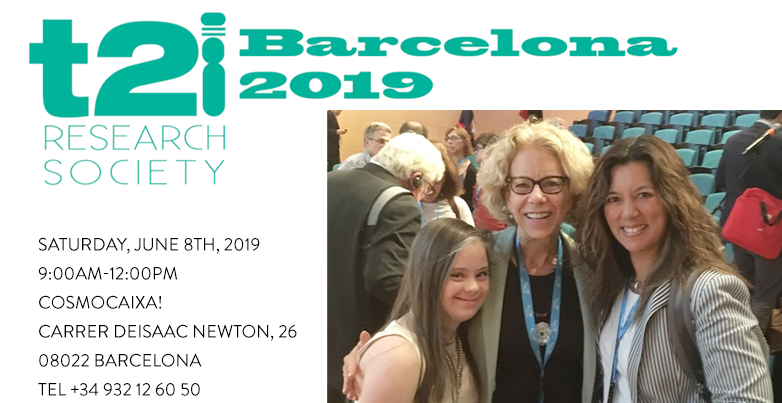
(L-R) Megan Bomgaars, Dr. Diana Bianchi, Michelle Sie Whitten
PROGRAM FOR FAMILIES: ADVOCACY, AWARENESS, & FUNDRAISING
 |
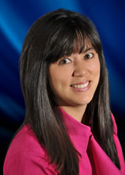
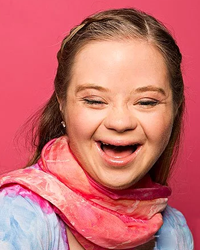
Through a series of short presentations and Q&A, this session will address important issues for self-advocates, family members, and Down syndrome organizations regarding three areas that are intricately related – advocacy, awareness & fundraising for Down syndrome research. This year Global will be hosting a full morning program featuring 5 expert speakers (including Megan Bomgaars from the Emmy Award-winning series Born This Way), and cover the following topics: The Importance of Down syndrome Research & How Down Syndrome Organizations and Families Can Advocate for Government Funding, Self-Advocates with Down Syndrome Make it Happen!, Scientists with Family Members with Down Syndrome – Things to Consider Before Participating in Research and Engaging the Press, Self-Advocates & Celebrities to Raise Awareness & Funds. |
Speakers & Presentations |
|
|
|
|
|
|
|
|
|
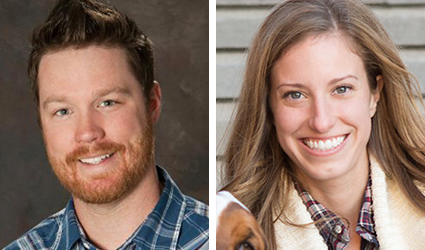 Keith Smith
 Manuel Velázquez
T21 Research Society Founding Members:

Global Webinar Series – Spring 2018 Recap
April 2nd, 2019 by Global Down Syndrome Foundation
SPRING 2019
Take A Deep Breath: Lung Infection &
Cognition in Down Syndrome
What You Need to Know
Overview & Speakers:
This webinar discusses the connection between lung infection and cognition in Down syndrome. Find out what families need to know and important new research that can benefit your loved ones with Down syndrome. Key takeaways from this presentation:
- How Trisomy 21 leads to respiratory and autoimmune diseases
- How infectious lung disease likely impacts cognition
- New research on lung disease, autoimmunity, and Down syndrome that could greatly impact quality of life and help people with and without Down syndrome that face these conditions

Michael Yeager, PhD.
Michael Yeager, PhD. is an Associate Professor in Pediatrics and Bioengineering at the University of Colorado. He earned his Ph.D. at CU in Experimental Pathology and completed post-doctoral fellowships at Johns Hopkins Medical Institutes and National Jewish Hospital. His primary research interests have focused on inflammation and fibrosis of the lung vasculature and the right ventricle in children and adults with pulmonary hypertension and idiopathic pulmonary fibrosis. Recently, he has been investigating why persons with Down syndrome are more susceptible to infectious lung disease. He is grateful to be funded to do this work by the Linda Crnic Institute for Down Syndrome, the American Heart Association, and the Jerome Lejeune Foundation.
Important Notice
The Global Down Syndrome Foundation’s employees and/or volunteers are NOT acting as your medical professional or attorney. Responses you receive via electronic mail, phone, or in any other manner DO NOT create or constitute a doctor-patient or attorney-client relationship between you and the Global Down Syndrome Foundation (Global), or any employee of, or other person associated with, Global.
Information received from Global’s employees or volunteers, or from this website, should NOT be considered a substitute for the advice of a medical professional or lawyer. Globaldownsyndrome.org DOES NOT provide any medical or legal advice. You should consult with your own doctor or lawyer for medical or legal advice. This website is a general service that provides information over the internet. The information contained on this website is general information and should not be construed as medical advice to be applied to any specific factual situations.
Global Webinars:
Spring 2019: Take A Deep Breath: Lung Infection & Cognition in Down Syndrome
Winter 2018: Physical Therapy for Children with Down syndrome & How to Set your Child Up for Successful Learning Experiences
Fall 2018: Supporting Aging Adults with Down syndrome and Alzheimer’s Disease
Summer 2018: Developing an Individualized Feeding Plan for Your Child with Down Syndrome
Spring 2018: An Unprecedented and Exciting Down Syndrome Research Discovery Engine – The Crnic Institute Human Trisome Project
Winter 2017: Get Moving, Be Awesome! – Physical Therapy & Fitness for Adolescents & Adults with Down Syndrome
Fall 2017: Promoting Skills to Survive & Thrive in the Teen & Adult Years
Summer 2017: Multimodal Approach to Teaching Children with Down syndrome Speech & Language Skills
Spring 2017: Potty Time! A Journey to Successful Toilet Training
Down Syndrome Research Could Provide Important Insights Into Cancer Treatments
March 8th, 2019 by Global Down Syndrome Foundation
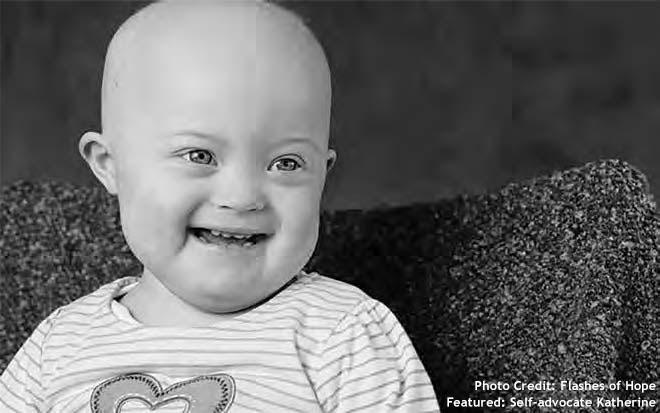
From Down Syndrome World Issue 4 2018
People with Down syndrome are highly protected from most solid tumor cancers, and yet they are highly predisposed to certain blood cancers. Studying people with Down syndrome may lead to new cancer treatments that could benefit everyone.
ACCORDING TO THE AMERICAN CANCER SOCIETY, an estimated 1,762,450 new cases of cancer will be diagnosed in 2019. There are hundreds of types of cancers and different ways to categorize them. One way to categorize cancer is into two types — solid tumor cancers and blood, or hematological, cancers.
People with Down syndrome are highly protected from most solid tumor cancers, such as breast, uterine, and prostate cancers. However, people with Down syndrome are much more likely to develop certain leukemias, one of the key blood cancers found predominantly in children.
IN SEARCH OF ANSWERS
World-renowned cancer researcher Joaquín Espinosa, Ph.D., Executive Director of the Linda Crnic Institute for Down Syndrome, has studied cancer biology for years. He was an early career scientist of the Howard Hughes Medical Institute before a grant from the Global Down Syndrome Foundation opened his eyes to the broad implications of investigating the connection between cancer and Down syndrome.
“My mentor, Tom Blumenthal, was the director of the Crnic Institute and insisted I apply for a grant,” says Dr. Espinosa. “I had no idea that the science would be so fascinating and that I would come to feel that people with Down syndrome are like my extended family.”
Three years later, Dr. Espinosa and his team discovered that the extra copy of chromosome 21 in people with Down syndrome triggers an immune system process called the interferon response, which may have a significant bearing on cancer risk.
“From birth, the immune system of people with Down syndrome is very dysregulated,” Dr. Espinosa says. “It’s out of balance, so aspects of it are hyperactive and others are weakened. The hyperactivity may explain why solid tumor cancers are not allowed to grow and, therefore, why it is rare for people with Down syndrome to get most solid tumor cancers. Conversely, it may also explain why autoimmune disorders are so prevalent.”
Other researchers hypothesize that chromosome 21 contains one or more tumor-suppressing genes, which may explain why having an extra copy of the chromosome protects against solid tumors, and that the chromosome also contains genes that spur the development of leukemias.
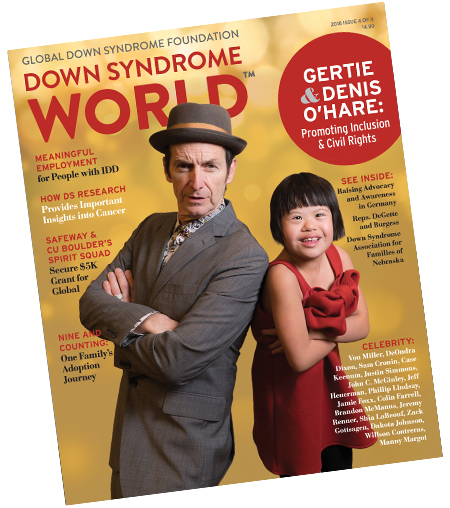 This article was published in the award-winning Down Syndrome World™ magazine. Become a member to read all the articles and get future issues delivered to your door!
LUKEMIA: AN EARLY CHILDHOOD RISK
Children with Down syndrome are particularly susceptible to two types of leukemia: acute megakaryoblastic leukemia (AMKL) and B-cell acute lymphoblastic leukemia (B ALL), the most common subtype of acute lymphoblastic leukemia (ALL).
They are also uniquely susceptible to one bone marrow disorder that results in a higher risk of AMKL called transient myeloproliferative disorder (TMD). TMD, also called transient leukemia, is found only in newborns with Down syndrome. As many as 30 percent of babies with Down syndrome are born with TMD, and although it can cause severe or life-threatening problems, the overwhelming majority of cases resolve naturally by the third month of life.
However, infants with TMD are at increased risk of developing acute myeloid leukemia (AML), which can strike children all the way through the teenage years. In particular, children with Down syndrome between ages 1 and 5 are 150 times more likely than typical children to develop AMKL, a rare type of AML. AMKL is a life threatening leukemia in which malignant megakaryoblasts proliferate abnormally and injure various tissues.
While the risk for AMKL is consider ably higher, many studies report better outcomes for patients with Down syndrome compared with their typical counterparts. Children with Down syndrome who develop AMKL have a roughly 80 percent five year event-free survival rate, which is substantially better than that seen in typical children with this leukemia, according toJohn Crispino, Ph.D., Robert I. Lurie, M.D. and Lora S. Lurie Professor of Medicine at Northwestern University.
“Nevertheless, not all children with Down syndrome survive the disease, and survival rates for those who relapse even after a bone marrow transplant are abysmal,” Dr. Crispino says.
Dr. Crispino’s lab has several areas of focus including acute leukemias and myeloproliferative neoplasms, and he is considered one of the leading authorities regarding leukemia in patients with Down syndrome.
According to Dr. Crispino, there is a 20-fold increased risk of B-ALL in children and young adults with Down syndrome primarily from ages 5 to 20. B-ALL is an aggressive type of leukemia in which too many B-cell lymphoblasts are found in the bone marrow and blood.
Unlike AMKL, reports and studies show that patients with Down syndrome with B-ALL fair worse than their typical counterparts — they have a higher relapse rate, may suffer severe side effects from chemotherapy, and have higher treatment-related mortality.
According to Dr. Crispino, part of the problem could be attributed to the attending physicians’ lack of adherence to the different chemotherapy protocols for pediatric patients with Down syndrome. Patients with Down syndrome often react poorly to standard chemotherapy for B-ALL, and their “toxicity profile” means more side effects that can result in extreme loss of red and white blood cells and platelets, inflammation in the digestive tract, and even heart failure.
“These patients need modified treatment protocols and universal supportive care guidelines that are optimal,” says Dr. Crispino. “Including patients with Down syndrome in studies of novel agents, such as immunotherapy and JAK inhibitors, could also help address this problem.”
Global’s lobbying and advocacy effor ts, resulting in a $24 million increase in Down syndrome research at the National Institutes of Health (NIH) in 2018, certainly led to an increase in cancer research in this special population, but there is still a long w ay to go. Dr. Crispino believes we desperately need less toxic and more effective therapies, especially to prevent relapse and treatment related mortality in patients with Down syndrome. He advocates for research at the NIH that would determine why Down syndrome leads to the increased incidence of leukemia and identify novel drug targets that will lead to development of safer treatments, and for leveraging new technologies that will identify specific genes on chromosome 21 linked to leukemia.
While leukemia does not always cause symptoms, Karen Rabin, M.D., Ph.D., Associate Professor of Pediatric Hematology/Oncology and Director of the Leukemia Program at Texas Children’s Cancer Center and Baylor College of Medicine, says parents should look out for bone pain, difficult y walking, easy bruising or bleeding, pallor, prolonged and unexplained fevers, and swollen glands in the neck and elsewhere.
A complete blood count can detect leukemia in some cases but is not recommended unless symptoms are present, according to Dr. Rabin. Chemotherapy is the standard treatment for most acute leukemia. But immunotherapy — a class of therapies that train the immune system to target cancer — is an emerging option.
“Immunotherapy is not generally used for newly diagnosed ALL at this time, but it is a very effective treatment in cases of relapse,” Dr. Rabin explains. “I particularly recommend early consideration of immunotherapy for relapsed ALL in children with Down syndrome because they are at high risk of serious complications when treated with standard relapse chemotherapy regimens.”
RESEARCH THAT BENEFITS EVERYONE
Of the 1.7 million new cancer cases estimated to be diagnosed in the United States in 2019, it is impossible to know how many of those cancers will occur in people with Down syndrome, according to Dr. Espinosa. Regardless, studying cancer in this population benefits anyone who develops the disease. Dr. Rabin agrees.
“We first discovered a major class of genetic alterations in ALL by studying ALL samples from children with Down syndrome, where the alterations are much more common than in other ALL cases,” she says. “This has led to a clinical trial of ruxolitinib, an inhibitor targeting this pathway, as a new treatment for ALL.”
Dr. Espinosa and his team at the Crnic Institute, with financial support from Global’s Mary Miller & Charlotte Fonfara-LaRose Down Syndrome & Leukemia Research Fund, are testing the effectiveness of drugs that inhibit two genetic mutations that cause runaway cellular growth linked to leukemia. Dr. Crispino and his team have conducted preclinical studies of inhibitors of a particular gene on chromosome 21 that may be active both in individuals with Down syndrome who have B-ALL and in some typical individuals with that type of leukemia.
“With respect to solid tumors, research into why people with Down syndrome develop cancer at low rates has enormous potential to shed light on chemoprevention strategies,” Dr. Crispino states. “If we can discover the genes on chromosome 21 that protect against solid tumors, we may be able to leverage these insights to develop drugs to halt cancer initiation or progression in all people.”
Like this article? Join Global Down Syndrome Foundation’s Membership program today to receive 4 issues of the quarterly award-winning publication, plus access to 4 seasonal educational Webinar Series, and eligibility to apply for Global’s Employment and Educational Grants.
Register today at downsyndromeworld.org!
Global Webinar Series – Spring 2019 Recap
February 5th, 2019 by Global Down Syndrome Foundation
SPRING 2019
Take A Deep Breath: Lung Infection &
Cognition in Down Syndrome
What You Need to Know
Overview & Speakers:
This webinar discusses the connection between lung infection and cognition in Down syndrome. Find out what families need to know and important new research that can benefit your loved ones with Down syndrome. Key takeaways from this presentation:
- How Trisomy 21 leads to respiratory and autoimmune diseases
- How infectious lung disease likely impacts cognition
- New research on lung disease, autoimmunity, and Down syndrome that could greatly impact quality of life and help people with and without Down syndrome that face these conditions
Michael Yeager, PhD.
Michael Yeager, PhD. is an Associate Professor in Pediatrics and Bioengineering at the University of Colorado. He earned his Ph.D. at CU in Experimental Pathology and completed post-doctoral fellowships at Johns Hopkins Medical Institutes and National Jewish Hospital. His primary research interests have focused on inflammation and fibrosis of the lung vasculature and the right ventricle in children and adults with pulmonary hypertension and idiopathic pulmonary fibrosis. Recently, he has been investigating why persons with Down syndrome are more susceptible to infectious lung disease. He is grateful to be funded to do this work by the Linda Crnic Institute for Down Syndrome, the American Heart Association, and the Jerome Lejeune Foundation.
Important Notice
The Global Down Syndrome Foundation’s employees and/or volunteers are NOT acting as your medical professional or attorney. Responses you receive via electronic mail, phone, or in any other manner DO NOT create or constitute a doctor-patient or attorney-client relationship between you and the Global Down Syndrome Foundation (Global), or any employee of, or other person associated with, Global.
Information received from Global’s employees or volunteers, or from this website, should NOT be considered a substitute for the advice of a medical professional or lawyer. Globaldownsyndrome.org DOES NOT provide any medical or legal advice. You should consult with your own doctor or lawyer for medical or legal advice. This website is a general service that provides information over the internet. The information contained on this website is general information and should not be construed as medical advice to be applied to any specific factual situations.
GLOBAL Webinars Archive
2026
2023
2022
2021
2019
CPAP, Hearing Aids, & Glasses, Oh My! How to Help my Child & Adult Wear their Medical Equipment
What Families Need to Know: Utilizing the Pediatric Medical Care Guidelines for Down Syndrome
Self-Advocates Win Landmark Federal Funding for Research: Join GLOBAL – Join the Movement
Take A Deep Breath: Lung Infection & Cognition in Down Syndrome
2018
Global Webinar Series – Winter 2018 Recap
December 14th, 2018 by Global Down Syndrome Foundation
WINTER 2018
Physical Therapy for Children with Down syndrome & How to Set your Child Up for Successful Learning Experiences
What You Need to Know
Overview & Speakers:
This webinar reviews physical therapy for children with Down syndrome and how to set up your child for successful learning experiences. Key takeaways from this presentation are:
- Goal of physical therapy
- Physical factors that impact the development of gross motor skills
- Compensations for these factors
- Crucial Components to develop when learning gross motor skills
- Examples of how physical therapy addresses learning gross motor skills to help develop the crucial components
Pat Winders, PT
Patricia Winders, PT is the Director of Therapies and Senior Physical Therapist at the Anna & John J. Sie Center for Down Syndrome at Children’s Hospital Colorado. Prior to this position, she worked at the Kennedy Krieger Institute Down Syndrome Clinic in Baltimore, Maryland (from 1989-2007). Since 1981, she has specialized in providing physical therapy services to children with Down Syndrome. She is author of the book Gross Motor Skills for Children with Down Syndrome: A Guide for Parents and Professionals (Second Edition), published by Woodbine House (2014). She is a member of the Down Syndrome Medical Interest Group (DSMIG-USA) and also serves on the Professional Advisory Committee of the National Down Syndrome Congress (NDSC).
Important Notice
The Global Down Syndrome Foundation’s employees and/or volunteers are NOT acting as your medical professional or attorney. Responses you receive via electronic mail, phone, or in any other manner DO NOT create or constitute a doctor-patient or attorney-client relationship between you and the Global Down Syndrome Foundation (Global), or any employee of, or other person associated with, Global.
Information received from Global’s employees or volunteers, or from this website, should NOT be considered a substitute for the advice of a medical professional or lawyer. Globaldownsyndrome.org DOES NOT provide any medical or legal advice. You should consult with your own doctor or lawyer for medical or legal advice. This website is a general service that provides information over the internet. The information contained on this website is general information and should not be construed as medical advice to be applied to any specific factual situations.
GLOBAL Webinars Archive
2026
2023
2022
2021
2019
CPAP, Hearing Aids, & Glasses, Oh My! How to Help my Child & Adult Wear their Medical Equipment
What Families Need to Know: Utilizing the Pediatric Medical Care Guidelines for Down Syndrome
Self-Advocates Win Landmark Federal Funding for Research: Join GLOBAL – Join the Movement
Take A Deep Breath: Lung Infection & Cognition in Down Syndrome
2018
Pioneering Care for People with Down Syndrome
November 8th, 2018 by Global Down Syndrome Foundation
From Down Syndrome World Issue 3 2018
As one of the lead authors of the Medical Care Guidelines for Adults with Down Syndrome, George T. Capone, M.D., is continuing his life’s work of improving evidence-based medical care for people with Down syndrome.
 FOR THE PAST 30 YEARS, George T. Capone, M.D., has specialized in providing quality care for patients with Down syndrome, always pushing for better evidence-based treatment and interventions. As a research scientist, Director of the Kennedy Krieger Institute’s Down Syndrome Clinic and Research Center (DSCRC), and Associate Professor of Pediatrics at the Johns Hopkins University School of Medicine, he has seen more than 2,500 patients, ranging in age from infants to seniors. Dr. Capone has contributed to improved care since the 1980s, and he continues to be concerned about health care for adults with Down syndrome.
Dr. Capone’s extensive knowledge, experience, and passion to improve care are the primary reasons he was tapped to join a team of physicians and researchers updating the Medical Care Guidelines for Adults with Down Syndrome, a project funded by the Global Down Syndrome Foundation.
AN EARLY SUPPORTER OF TRANSLATIONAL RESEARCH
Dr. Capone’s career treating people with Down syndrome took root in 1988, when he began a neurobiology fellowship at Johns Hopkins University School of Medicine. At the time, researchers at Johns Hopkins, including his mentor Joseph T. Coyle, M.D., were conducting groundbreaking genetic research on the link between Down syndrome and Alzheimer’s disease. Among the many projects he saw occurring in Dr. Coyle’s lab was research that used TS16 mouse models to investigate the impact that three copies of chromosome 21 — the defining characteristic of Down syndrome — has on early-onset Alzheimer’s disease. It was some of the earliest research on the subject.
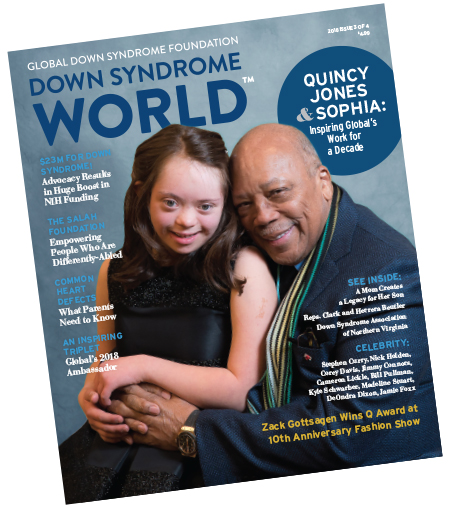 This article was published in the award-winning Down Syndrome World™ magazine. Become a member to read all the articles and get future issues delivered to your door!
The time spent in Dr. Coyle’s lab helped lay the foundation for Dr. Capone’s interest in how that research could be directly applied to the health and well-being of patients. In the early 1990s, Dr. Capone joined the Kennedy Krieger Institute. There, he recognized that the DSCRC provided ample opportunity to develop hypotheses and research questions on the neurobiological and neurobehavioral basis of cognitive impairment associated with Down syndrome. The clinic’s diverse patient population allowed for “person-centered clinical research focusing on the medical and mental health conditions we see on a daily basis.” Such research, he knew, would benefit not only people with Down syndrome but also patients with its co-occurring conditions, such as Alzheimer’s disease, sleep apnea, and heart conditions.
Under Dr. Capone’s leadership, the DSCRC has conducted studies on a range of conditions, including autism-spectrum disorders and attention-deficit/hyperactivity disorder. His research has led to the characterization of autism in children with Down syndrome, uncommon neurobehavioral and developmental profiles of children and teenagers with Down syndrome, and developmental regression in people of all ages with the condition.
He has also designed and conducted several clinical pharmacology trials for drugs intended to improve memory and cognition in both children and adults, including risperidone, guanfacine, and rivastigmine.
“The science is fascinating, and the associated medical conditions are complex and perplexing,” Dr. Capone said. “The families I work with are the best, and the children and adults I interact with always amaze me.”
FORGING NEW PATHS FOR ADULT MEDICAL CARE
Dr. Capone agrees that the increased knowledge and advocacy among parents and healthcare professionals, the establishment of specialized clinics such as the DSCRC, and advancements in medical-surgical care for children have all progressed health for people with Down syndrome. Yet, despite contributions to the field of care for people with Down syndrome, more research is necessary to improve lives.
“We need to better understand the etiology-pathogenesis and risk factors associated with certain medical conditions, as well as what treatment approaches and prevention strategies are most beneficial to our patients,” Dr. Capone explained. “We also need a more organized approach to managing data sets to improve clinical decision-making, patient and caretaker outcomes, and quality of life.”
The Medical Care Guidelines for Adults with Down Syndrome will go a long way toward improving clinical decision-making and health outcomes. The current guidelines available for adults with Down syndrome were last updated in 2001 and do not adequately reflect the more than doubling of life span for people with Down syndrome since the 1980s. As adults with Down syndrome are living longer, they require care specific to their unique aging experience and risk factors.
“Many physicians in adult medicine do not have adequate training to care for people with genetic and neurodevelopmental conditions,” Dr. Capone said. “The medical conditions experienced by adults with Down syndrome can appear overwhelming and beyond the reach of many physicians, but with sufficient resources and training, we can teach primary care and other adult healthcare providers how to provide this care with confidence.
“Coming up with medical care guidelines will expose how little we really know about ‘best practices’ when caring for aging adults with Down syndrome and chronic medical conditions,” he added. “I hope it will stimulate further interest and investigation into this often neglected aspect of clinical research.”
To learn more about the Medical Care Guidelines for Adults with Down Syndrome, please visit globaldownsyndrome.org/medical-care-guidelines.
ADVICE FOR FAMILIES AND SELF-ADVOCATES
George T. Capone, M.D., Director of the Down Syndrome Clinic and Research Center at Kennedy Krieger Institute and Associate Professor of Pediatrics at the Johns Hopkins University School of Medicine, has some advice, learned over a 30-year career, to pass along to people with Down syndrome and their families.
Don’t get caught up in comparisons.
“If your child seems different compared to other children you know with Down syndrome, don’t despair,” Dr. Capone said. “All our children are unique, and we should rejoice in these differences.”
Exercise body and mind.
“Stay physically and mentally active once you leave high school or post-secondary school,” he said. “Find your own means of self-expression through the performing arts, fitness, hobbies, and fun social activities.”
Connect.
“Stay informed and connected to the larger Down syndrome community of families and selfadvocates,” he advised.
Like this article? Join Global Down Syndrome Foundation’s Membership program today to receive 4 issues of the quarterly award-winning publication, plus access to 4 seasonal educational Webinar Series, and eligibility to apply for Global’s Employment and Educational Grants.
Register today at downsyndromeworld.org!
 Experience our inspirational and groundbreaking videos and photos. Our children and self-advocates are beautiful AND brilliant!
 Make sure your local Representatives are on the Congressional Down Syndrome Task Force.
Keep up with research news, upcoming programs, events and educational conferences.
Find us online here: