Archive for the ‘Blog’ Category

Global Down Syndrome Foundation expanding inclusive workforce opportunities worldwide!

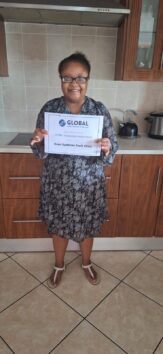
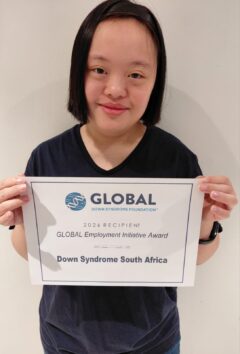
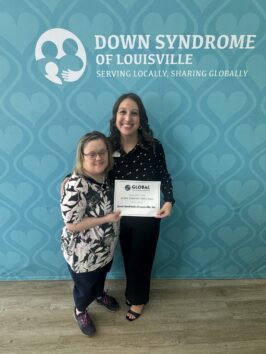
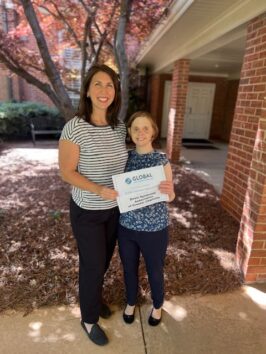
Denver – April 2026 – The Global Down Syndrome Foundation (GLOBAL) is proud to announce the 2026 recipients of its highly respected GLOBAL Employment Awards. This year, GLOBAL awarded $16,000 in Employment Awards to nine outstanding Down syndrome organizations in the U.S. and internationally, funding innovative programs that create and expand meaningful employment opportunities for people with Down syndrome.

The GLOBAL Employment Awards are a distinguished benefit for GLOBAL member organizations. Each year, the awards foster collaboration and fund local programs that make a direct and lasting impact by creating or expanding employment pathways for self-advocates. This year’s Employment Awards provide life-changing programs empowering self-advocates, strengthening communities, and demonstrating the tremendous value people with Down syndrome bring to the workforce.

The 2026 awards will support nine dynamic programs that together will impact thousands of individuals and families. Funded initiatives include job coaching, vocational training, expanded hours for self-advocate employees, public-facing ambassador roles, and new opportunities that promote independence, confidence, and community inclusion.

“Opportunities for adults with Down syndrome in South Africa remain limited, which is why we must actively create them,” says Elaine Passmoor, National Executive Director of Down Syndrome South Africa. “With the support of the Global Down Syndrome Foundation, we are leading by example by opening doors to meaningful, paid work where adults with Down syndrome are recognized, valued, and respected.”

At GLOBAL, we are dedicated to improving the lives of individuals with Down syndrome by advancing inclusion, independence, and self-advocacy. Since launching the GLOBAL Employment Awards and GLOBAL Education Awards, GLOBAL has issued hundreds of grants supporting education and employment initiatives, investing more than $1.2 million in Down syndrome member organizations across many states and countries.

Please join us in congratulating the 2026 GLOBAL Employment Award recipients and celebrating the important work they are doing to advance employment for people with Down syndrome.

2026 GLOBAL Employment Award Recipients (in alphabetical order)

Down Syndrome Association for Families, Lincoln, NE:
Community Outreach Specialist

The role of the Community Outreach Specialist is to promote community engagement and outreach initiatives through their self-advocate employee interacting with community leaders and business owners to promote partnerships and attend events.

Down Syndrome Association of Central Kentucky, Lexington, KY:
DSACK Administrative Assistant

The administrative assistant position completes weekly tasks, reports to the Office Coordinator, and participates in outreach events with the Director of Medical and Community Outreach.

Down Syndrome Association of Central New Jersey, Ewing, NJ:
Self-Advocate Training

The Self-Advocate Training Program is designed to equip young adults with Down syndrome with essential life skills, promote awareness in the community, and foster inclusion.

Down Syndrome Association of Greater Charlotte, Charlotte, NC:
Community Ambassador

The Community Ambassador will engage in outreach, peer support, and public education, including welcoming new families, assisting at programs and events, sharing their story to promote understanding, and representing the organization at community and partner activities.

Down Syndrome Association of Middle Tennessee, Hermitage, TN:
Job Coach

This program will support self-advocates with Down syndrome at our organization by providing individualized, on-the-job coaching that promotes independence, skill development, and long-term employment success.

Down Syndrome Association of Northeast Ohio, Independence, OH:
“Sunburst Snacks” Employment, Inclusion, and Community Connection

Sunburst Enterprises, DSANEO’s adult employment initiative to prepare, connect, and employ adults with Down syndrome across Northeast Ohio is a paid training program, that will provide participants (“Team Members”) the opportunity to acquire transferable job skills.

Down Syndrome of Louisville, Louisville. KY:
Supporting the continued employment of DSL self-advocate staff

The Office Assistant, a self-advocate with Down syndrome, provides meaningful, paid employment while fostering independence, professional skill development, and social inclusion. This role also serves as a visible demonstration of the capabilities of individuals with Down syndrome in professional environments, helping shift community perceptions and encouraging other employers to pursue inclusive employment models.

Down Syndrome South Africa, Centurion, South Africa:
Voices Matter: National Self-Advocates in Action Programme

This program will create structured, part-time paid opportunities for self-advocates to play an active leadership role within DSSA by sharing their lived experiences, guiding organizational decision-making, shaping themes for national awareness days, and developing videos and messages used in public awareness campaigns.

Mi Work Matters, Livonia, MI:
Mi Work Matters Workplace Readiness Training and Employment Pilot

This program supports an individual with Down syndrome to work as a paid Team Member at Mi Work Matters second social enterprise – The Good and Strong Coffee Shop & Cafe.


To learn more about GLOBAL membership awards, visit:
https://www.globaldownsyndrome.org/global-awards/

To learn more about GLOBAL memberships, visit:
https://www.globaldownsyndrome.org/global-membership/

To learn more about the Global Down Syndrome Foundation, visit:
https://www.globaldownsyndrome.org/

About Global Down Syndrome Foundation

The Global Down Syndrome Foundation (GLOBAL) is the largest nonprofit in the U.S. dedicated to saving lives and dramatically improving health outcomes for people with Down syndrome. GLOBAL has donated more than $32 million to establish the first Down syndrome research institute supporting 400+ scientists and over 2,700 patients from 33 states and 10 countries.

Working closely with Congress and the National Institutes of Health, GLOBAL is the leading advocacy organization in the U.S. for Down syndrome research and care. GLOBAL has a membership of over 125 Down syndrome organizations worldwide and is part of a network of Affiliates — the Crnic Institute for Down Syndrome, the Sie Center for Down Syndrome, and the University of Colorado Alzheimer’s and Cognition Center – all on the Anschutz Medical Campus.

GLOBAL’s widely circulated medical publications include Global Medical Care Guidelines for Adults with Down Syndrome, Prenatal & Newborn Down Syndrome Information, and the award-winning magazine Down Syndrome World  ™. GLOBAL also organizes the Be Beautiful Be Yourself Fashion Show, the largest Down syndrome fundraiser in the world.
Visit globaldownsyndrome.org and follow us on Facebook, X, Instagram, and LinkedIn.

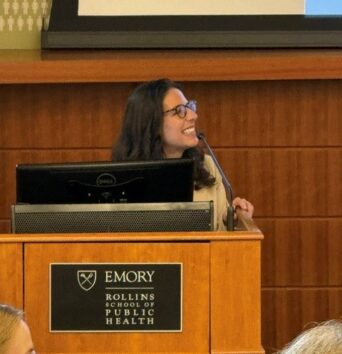
Dr. Nicole Baumer, Director of GLOBAL Affiliate the Anna and John J. Sie Center for Down Syndrome, recently spoke at the annual Emory Down Syndrome Research & Caregiver Symposium, discussing common neurodevelopmental and behavioral characteristics, skills, and abilities in Down syndrome, and how to apply neurodevelopmental knowledge to address behavior challenges and plan effective interventions.

While acknowledging common behavioral challenges that often occur in people with Down syndrome, Dr. Baumer began her presentation focusing on the positive characteristics associated with the diagnosis, noting that using a child’s strengths is key when seeking strategies to help address challenges or needs. Dr. Baumer encouraged attendees to try to understand the motivation driving concerning behaviors, including communication, social attention, avoiding unwanted tasks/situations, and sensory stimulation.

Dr. Baumer outlined specific strategies that may help address behaviors, including positive reinforcement and redirection. Importantly, she noted that while punishment may decrease the likelihood of a behavior, it is not effective for long-term behavior change and can strain relationships.

Along with being Director of the Sie Center, Dr. Baumer is also an associate professor of neurology at the University of Colorado School of Medicine and the GLOBAL Endowed Chair for Down Syndrome at Children’s Hospital Colorado. As such, she underscored the importance of looking for potential medical causes of challenging behaviors, such as pain (ears, dental, musculoskeletal, headache, menstrual), infection, sleep disorders (including obstructive sleep apnea), nutrition, hearing or vision impairment, celiac disease, thyroid issues, and gastrointestinal problems (constipation, reflux, abdominal pain). In addition to physical health problems, Dr. Baumer also shared the importance  of considering co-occurring neurodevelopmental, behavioral, and mental health conditions, such as autism, ADHD, depression, anxiety, and OCD. She added that it is important to avoid diagnostic overshadowing, where behavior issues are just attributed to the person having Down syndrome. In these cases, Dr. Baumer stressed that children and adolescents with Down syndrome should receive the same specialized intervention and care as children with these conditions who do not have Down syndrome.

Dr. Baumer encouraged parents who have concerns regarding their child’s behavior to seek comprehensive evaluation, including a medical/clinical evaluation, a psychosocial assessment of stressors, an assessment of skills, and a neuropsychological assessment. She concluded her talk with a discussion of evidence-based strategies, including behavioral interventions, environmental modifications and accommodations, and medications.

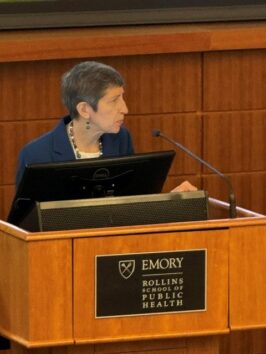
The Emory Symposium brought together nearly 150 family members and professionals dedicated to advancing care and improving lives. Other speakers included Keynote Speaker and self-advocate, Martha Haythorn; Dr. Melissa Parisi, Intellectual and Developmental Branch Chief of the Eunice Kennedy Shriver National Institute of Child Health and Human Development; Sheryl Arno and Tamara Pursley, Executive Directors of GLOBAL Organization Members Down Syndrome Association of Atlanta and Adult Disability Medical Healthcare, respectively; and Dr. Angela Rachubinski, Director of the Clinical and Translational Sciences Program at the Linda Crnic Institute for Down Syndrome.

The annual Emory Down Syndrome Research & Caregiver Symposium is a program of the Emory Down Syndrome Center, led by Dr. Tracie Rosser. The Center is part of the Emory University School of Medicine Department of Human Genetics.


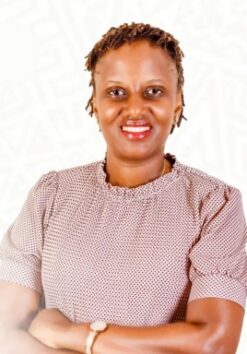
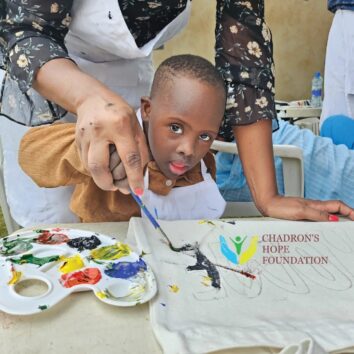
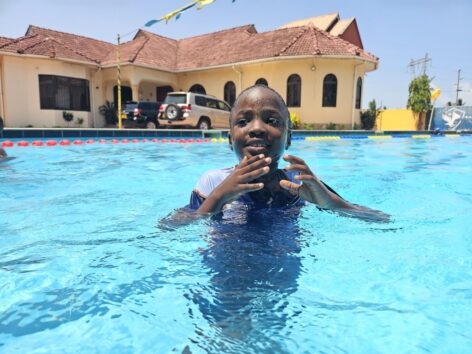
Nearly eight years ago, Elly Kitaly founded Chadron’s Hope Foundation after the birth of her son, Chadron. What began as a mother searching for information in a system with few resources has grown into a community-based organization providing early intervention services, psychosocial and economic support for mothers, and national awareness around Down syndrome in Tanzania. In this conversation, Elly shares her journey, the realities families face, and her vision for lasting change.

GLOBAL: Elly, tell us a little bit about yourself and how you got involved with Chadron’s Hope Foundation. What led you to where it is today?

ELLY: My name is Elly. I’m a mother of two boys, Chadron and Darren. My background is in telecom engineering, but I had to stop working to support Chadron because there is not so much support for people with Down syndrome in Tanzania.

When the doctor told me, “Congratulations, you have a baby boy with Down syndrome,” I did not know what that meant. There was no pamphlet, no counseling, no explanation. The hospital had no network access, so I could not even search online. I remember leaving that area just so I could Google what Down syndrome was.

That moment began my journey. I had education and access to information once I found it, and still I struggled. I kept thinking about mothers who did not have those same resources. If it was this hard for me, what about someone raising a child alone, without information, without income, without support? That is why we formed Chadron’s Hope Foundation, with hope to improve the lives of people with Down syndrome and other neurodevelopmental disabilities.

 GLOBAL: Prior to Chadron’s birth, had you ever met or known anyone with Down syndrome?

ELLY: I had met someone when I was young, but I didn’t know it was Down syndrome. There was a young girl in town who had some condition, but we didn’t understand what it was. So when Chadron was born, everything was new to me. I was lucky that the doctors mentioned Down syndrome. Some families never even get told clearly what the condition is. But still, I didn’t understand what it meant. I had to teach myself.

Now when I speak in Tanzania about mosaic, translocation, trisomy 21, sometimes people think I’m a doctor. But I’m not. I’m an engineer. I just had to learn.


GLOBAL: You mentioned that many mothers are left to raise their children alone. Is it common in Tanzania for partners to leave after the diagnosis?

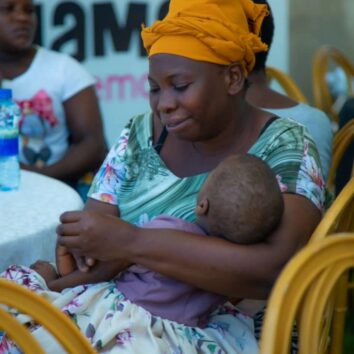
ELLY: Yes, it is common. Stigma is still strong in many communities. Some people believe disability is a curse or witchcraft. There is also economic pressure. When there is no formal support system, the responsibility can feel overwhelming. But mothers do not leave. They stay. One mother in our community shared that after her child was born with Down syndrome, the father left. There were days she did not have money for food. When you listen to her story, you understand the magnitude of the problem. It is not only emotional. It is economic. It is social. It is systemic. We are seeing change as awareness grows, but there is still a long way to go.

GLOBAL: How did Chadron’s Hope Foundation begin and how has it evolved?


ELLY: We are going to be legally registered for almost eight years. It started on Chadron’s third birthday. We asked our community and friends, instead of bringing birthday gifts, can they donate to support the registration and formalization of CHF. First, we started with awareness. We did media tours on local TV, radio, social media, even BBC World Service. Then we started supporting mothers directly. We gave seminars for mothers to help them accept their children and to teach simple exercises they could do at home because there are not many professionals like occupational therapists or speech therapists. As we continued, we realized that even if you teach all these wonderful things, if a mother cannot afford food or medical bills, we are not creating a sustainable model. That is when we formed a coalition called Mothers Raising Champions. We collectively save small amounts of money together and also ask the community to chip in. We support mothers economically, and we also teach financial management. During a time of national unrest, when families could not go out to work and some lost their business capital, we were able to support them with food and restart capital because of that coalition savings. That showed us how important economic empowerment is.


GLOBAL: What are your main programs today?

ELLY: We have Imara Therapy Center, where we provide early intervention services. Right now, we offer occupational therapy and home-based therapy because many parents are not able to bring their children due to financial hardship or lack of caregivers. We also have Mama Muema, which focuses on psychosocial support, counseling, and economic empowerment for mothers. That community is built by mothers and led by mothers. We have seven mothers who are leaders in that group. We continue to create awareness through media and by partnering with local leaders and hospitals. We believe that the best way to reach new mothers is by working with hospitals and social workers so they can refer families to us early.

GLOBAL: You’ve spoken about sustainability. What does that mean for you?

ELLY: We are positively making impact here in Tanzania. But the organization has grown beyond our capacity as friends and family supporting it.

Right now, we have six staff members. Four are paid full-time and two are volunteers. The team includes an occupational therapist, caregivers, and a communications officer. We are still short on specialists like speech therapists and physiotherapists.

Some families contribute to services when they can, sometimes as little as one dollar per visit. That helps, but it does not fully cover the costs. I carry multiple roles. I oversee finance, communications, leadership, and partnerships. We have proven for years that we can deliver impact. Now we need to strengthen our capacity so the work is sustainable. Imara Therapy Center is also part of that vision. We are building it as an income-generating arm so we are not fully dependent on external donors. In Tanzania, we say, “Teach us to fish, not give us fish.” We want to build long-term stability here at home.

 GLOBAL: What are the biggest medical gaps you see in Tanzania?

ELLY: Many parents do not receive clear medical guidance after diagnosis. There is no standardized checklist widely distributed that explains what health screenings are needed from childhood through adulthood. If a parent has knowledge and resources, they may ask for certain tests. But many families do not even know what to request. We are exploring partnership with Muhimbili University of Health and Allied Sciences to assess medical gaps for people with Down syndrome in Tanzania. What services are available? What are families actually receiving? What equipment or diagnostic tools are missing?

We also believe partnership between doctors across countries is important. Health patterns and access can differ by region, and there is much to learn from each other. If we can localize global medical guidelines in a way that fits Tanzania’s system, that could be transformative.

GLOBAL: What would you like the GLOBAL community to understand about your work?

ELLY: First, I am deeply grateful for partnership and collaboration. Even sharing resources and knowledge makes a difference. Second, I want people to know that real impact is happening in Tanzania. We have built a growing community of mothers. Children are receiving therapy. Awareness is increasing. But we are still building systems from the ground up. What we need most now is support to build our capacity, especially for staff and operational stability, so the work does not rely only on volunteering. I truly believe that if we strengthen this foundation now, we can create lasting change in Tanzania.

GLOBAL: Any final thoughts?

ELLY: I hope that one day a mother in Tanzania who gives birth to a child with Down syndrome will receive clear information, support, and dignity from the beginning. I also hope for children growing up with access to therapy, education, and eventually adulthood options like individualized assisted living, which does not yet exist here. We are working toward that environment.

I am grateful for this opportunity, and I look forward to what we can achieve together.


Learn More

Website: Chadron’s Hope Foundation | Our Programs

Instagram: Chadron’s Hope Foundation (@chadronfoundation)

Facebook: Chadron Foundation | Facebook


In 2019, the BBC produced a documentary about Elly and Chadron’s journey. To learn more, read the article below:


Swahili Translation of Medical Guidelines

Earlier this month, the National Down Syndrome Congress announced that Dr. Nicole Baumer will receive its prestigious Pueschel/Tjossem Research Award at its convention in July in Orlando. Dr. Baumer is the Director of GLOBAL’s Affiliate, the Anna & John J. Sie Center for Down Syndrome.

The award recognizes, “research that has contributed to more excellent knowledge and understanding of Down syndrome and has improved the lives of people with Down syndrome and their families.” The award can be given to an individual researcher, a program, or a research institute. Dr. Baumer has led research efforts on a variety of fronts, including a National Institutes of Health (NIH) INCLUDE Project grant examining early developmental and medical profiles of Down syndrome, and another investigating mobility interventions for infants with Down syndrome.

In addition to her own research grants, Dr. Baumer invests in the development of research infrastructure and nurtures the skills of those around her. She developed and awarded the first Sie Center Pilot Research Grant to encourage other healthcare providers to become more involved in Down syndrome research. Dr. Baumer is known for her collaborative spirit, working on research projects with Colorado State University, Boston Children’s Hospital, and the Linda Crnic Institute for Down Syndrome, among others. Additionally, she recently served as president of the Down Syndrome Medical Interest Group – USA. Notably, Dr. Baumer is both a clinician and a researcher, which is a highly valued, but uncommon combination.

The award is named in honor of two giants in Down syndrome research, Dr. Sigfried Pueschel, a renowned pediatric researcher and clinician who authored hundreds of scientific articles and medical texts about Down syndrome, and Dr. Theodore Tjossem, a retired NIH psychologist who was chief of the Developmental Disabilities Research Centers branch at the National Institute of Child Health and Human Development (NIH) for 22 years. Past recipients include Drs. Brian Chicoine, Dennis McGuire, George Capone, Ed McCabe, Anna Esbensen, and the Beach Center on Disability.

Dr. Baumer will be presented with the award at a special ceremony at the 54th annual NDSC Convention in Orlando, Florida. Additional awardees for 2026 include GLOBAL Membership Advisory Board Member Amy Van Bergen (Sig Pueschel NDSC Service Award), Paige Faucheux (Christian Pueschel Memorial Self-Advocate Award), Majo Paiz (Media Award), Roxane Romanick (Laura Lee Advocacy Award), Dr. Teresa Aguilasocho-Montoya (International Service Award), Raising Robust Readers (Education Award), and Orlando Health: We Build (Employer of the Year Award).  GLOBAL Congratulates all awardees!


Arwen Jackson, a speech language pathologist at the Sie Center at Children’s Hospital Colorado (CHCO), along with her colleagues Jennifer Maybee (speech language pathologist) and Jenna Mathews (occupational therapist), were awarded the inaugural Sie Center Pilot Research Grant. The research team will utilize the grant to validate a screening tool that aims to better identify children at risk of developing pediatric feeding disorders during the transitional feeding stage. This period typically occurs in toddlerhood when complementary foods are introduced. It is also one of the developmental stages where children with Down syndrome often face significant feeding challenges and require targeted interventions. Children with Down syndrome are at a higher risk of experiencing pediatric feeding disorders than their peers without Down syndrome. These challenges include differences in chewing and swallowing, mealtime behaviors, and difficulty with intake or nutrition.

This study holds exciting promise for both research and clinical practice. Better understanding feeding development in children with Down syndrome has the potential to lead to earlier interventions and more innovative treatment plans. A screening tool targeted at the transitional feeding stage of development has never been validated for use in children with Down syndrome. Having a valid screening tool would enable future researchers to better design studies with clearly measurable outcomes related to feeding and swallowing in Down syndrome. The study is expected to run for a year.

“We are deeply grateful for this grant, which empowers us to advance research that can meaningfully improve quality of life and access to essential resources for young children with Down syndrome,” said Jackson. “Through this support, we aim to bridge research and practice, translating scientific knowledge into tangible benefits for the community we serve.”

This study also encourages important interdisciplinary research collaboration among specialists in Down syndrome, feeding development, swallowing, and food science. Notably, Dr. Carolyn Ross, a food scientist who has already conducted research on food texture acceptance in individuals with Down syndrome, is involved.

While clinicians and medical providers in Down syndrome clinics often have the most expertise in caring for people with Down syndrome, their ability to amplify their impact through research participation can by limited by a lack of time and/or funding. The Sie Center Pilot Grant hopes to address some of these issues by providing recipients with seed funding up to $50K and mentorship through the clinical research process.

For Immediate Release:  Alex Lee, alee@globaldownsyndrome.org, D: (720) 548-5631

 The Agency for Healthcare Research and Quality Systemic Review Publication Paves the Way for the GLOBAL Medical Care Guidelines for Adults with Down Syndrome 2nd Edition

DENVER, CO – March 20, 2026 – The Global Down Syndrome Foundation (GLOBAL) is proud to announce that the Agency for Healthcare Research and Quality (AHRQ) systemic review of the new edition of the GLOBAL Medical Care Guidelines for Adults with Down Syndrome (GLOBAL Adult Guideline) has been published today in the prestigious Effective Health Care (EHC) Database.

This is an important milestone in the 5-to-7-year rigorous development process required to publish professional, evidence-based medical guidelines. The ECH publication includes updated findings on prevalence and treatment for common co-occurring conditions  and paves the way for the Second Edition of the GLOBAL Adult Guideline, which should be finalized by the end of 2026 or early 2027. The new edition updates and expands the first edition, which was published in JAMA in 2020 and established the first evidence-based standards for the adult Down syndrome community. The JAMA publication was one of the most visited medical recommendation pages on the JAMA website and to date has been professionally referenced over 200 times.

“To be able to announce this in time for World Down Syndrome Day is particularly meaningful, said GLOBAL Vice President of Research and Medical Care Bryn Gelaro. “This publication, led by PICORI and AHRQ, is a powerful validation of the rigor we bring to Down syndrome research and medical care. By vetting clinical expertise against hard evidence, we are finally providing a reliable resource for medical professionals to ensure adults with Down syndrome receive the specialized, high-quality care they deserve.” 

In 2023, GLOBAL was awarded a competitive grant from the Patient-Centered Outcomes Research Institute (PCORI). This grant funded a milestone systematic review designed to answer the GLOBAL Adult Guideline authors’ critical health questions and synthesize clinical expertise and research evidence. To ensure the highest level of objectivity, the AHRQ—the federal agency tasked with improving the safety and quality of America’s healthcare system—was commissioned to lead the comprehensive review of the literature.

The quality of the AHRQ review manuscript earned immediate publication in the EHC Database. In addition, the publication was acknowledged as a vital contribution to national health standards by the Director of AHRQ at the U.S. Department of Health and Human Services (HHS), Roger D. Klein, MD, JD.

“The GLOBAL Adult Guideline is important to my life,” says 2026 GLOBAL Ambassador Letizia Napoleone. “When I go to the doctor, I want to get better! They need to know about Down syndrome. I am proud to be part of GLOBAL who is helping doctors understand how to support people with Down syndrome to have healthy long lives.”

“We are deeply grateful to donors – including Key Collaborators and GLOBAL Member Organizations who understand the importance of this resource and have committed funds in support updates and the addition of important new medical cares,” says GLOBAL President & CEO Michelle Sie Whitten. It is also a testament to Bryn Gelaro and David Tolleson who have worked so diligently to ensure that the Guideline Workgroup can continue the complex task of rigorous review, excellent writing, and publication. As a mom to Sophia, it is wonderful to know that she will get infinitely better care in her old age because of this resource.”

The AHRQ systematic review will directly inform the 2nd Edition GLOBAL Adult Guidelines. While the first edition addressed nine critical areas— Behavior, Alzheimer’s/Dementia, Diabetes, Cardiovascular disease, Obesity, Osteoporosis, Atlantoaxial Instability, Thyroid Disease, and Celiac Disease, and Thyroid Disorders—the new edition will build on that foundation to include five additional topics:

  • Blood Cancers
  • Solid Tumor (Cancers)
  • Sleep Apnea
  • Eye and Vision
  • Musculoskeletal

“I remember wishing that this resource was available to my parents and brother, Jack, after David Tolleson introduced me to GLOBAL and the adult guidelines,” says Shawna Lucas, long-time GLOBAL supporter and former marketing executive. “Seeing this work recognized at the federal level gives us hope that every family will have access to the lifesaving information they need as their loved ones with Down syndrome age. This is a great way to honor Jack and to pay it forward to millions of adults with Down syndrome who deserve to grow old with a shot at good health and dignity.”

“Our family is honored to support the GLOBAL Medical Care Guidelines for Adults with Down Syndrome,” says Michele Ritter, a long-time GLOBAL supporter. “Having lost my beautiful sister Lorraine to Alzheimer’s, we know firsthand the gaps in medical care for adults with Down syndrome. We are proud and excited to support the 2nd edition and to see the impact these guidelines will have on the health and longevity of our loved ones around the world.”

Fifty-four GLOBAL Member Organizations have supported the 2nd Edition GLOBAL Adult Guideline. One of the largest multi-year donors, the Down Syndrome Alliance of the Midlands (DSA), based in Omaha, Nebraska, is grateful for GLOBAL’s efforts to establish this first-in-kind resource.

“For our families in the Midlands, these guidelines are more than just research—they are a lifeline,” said DSA Executive Director Elizabeth Draney. “It is great to have federal support but equally important, the GLOBAL Adult Guideline is something that doctors in our community trust and can help ensure our adult with Down syndrome receive the best care possible. We pledged our support for the second edition because investing in the guideline is an investment in the health of every person with Down syndrome.”

In 2018 GLOBAL successfully lobbied and advocated for the first trans-National Institutes of Health Down syndrome funding program called the INCLUDE Project. In the time since the first edition of the GLOBAL Adult Guideline was published, the NIH INCLUDE Project has provided over $440M of funding to Down syndrome research that is contributing to the evidence that is the very foundation of the guidelines. In addition, the INCLUDE Project research is bolstering the evidence that contributes to the GLOBAL Adult Guideline evidenced by the 2nd Edition having 300% more quality publications to draw from.

List of GLOBAL Adult Guideline Authors: Medical Director at University of Pittsburgh Adult Down Syndrome Center, Peter Bulova (MD), Medical Director of the Down Syndrome Clinic and Research Center at Kennedy Kreiger, George Capone (MD), Medical Director and Co-Founder, Advocate Medical Group Adult Down Syndrome Center in Chicago, Brian Chicoine (MD), Executive Director of the Linda Crnic Institute for Down Syndrome at University of Colorado Anschutz Medical Campus, Aurora, CO Joaquín Espinosa(PhD), Medical Director of Immunogenetics and Transplantation Laboratory at the University of Arkansas for Medical Sciences, Terry Harville (MD), Surgical Director of the Complex Obstructive Sleep Apnea Center at the University of Cincinnati, Christine Heubi (MD), Assistant Professor in the Department of Physical Therapy at the University of Nevada, Thessa Hilgenkamp (PhD), Professor of Ophthalmology at the University of Pittsburgh School of Medicine, Vishal Jhanji (MD), Medical Director, Adult Down Syndrome Clinic at Denver Health, Barry Martin, MD, Chief of Pediatric Ophthalmology at Children’s Hospital Colorado, Emily McCourt (MD), Director of the Down Syndrome Behavioral Health Collaborative, University of Colorado School of Medicine Lina Patel (PsyD), Co-founder of the Adults with Down Syndrome Specialty Clinic at the University of Kansas Medical Center, Moya Peterson (PhD, ARNP), Director of Medical Student Education, University of Colorado Anschutz Medical Campus, Michael Puente Jr (MD), Medical Director of the Alzheimer’s Therapeutic Research Institute and Alzheimer’s Clinical Trials Consortium – Down Syndrome Principal Investigator at Keck School of Medicine of University of Southern California, Michael Rafii (MD, PhD), Professor of Family and Community Medicine at Cleveland Clinic Lerner College of Medicine and Case Western Reserve University School of Medicine Carl Tyler (MD), and Provider at the Down Syndrome Center of Western PA and Medical Director of Street Medicine Pitt at the University of Pittsburgh Medical Center, Anna Marie White (MD).

To learn more about the GLOBAL Medical Care Guidelines for Adults with Down Syndrome visit https://www.globaldownsyndrome.org/medical-care-guidelines-for-adults/.

For World Down Syndrome Day or GLOBAL Adult Guideline media inquiries, photos, and B-roll please contact Alex Lee at pr@globaldownsyndrome.org.

###

About the Global Down Syndrome Foundation
The Global Down Syndrome Foundation (GLOBAL) is the largest non-profit in the U.S. working to save lives and dramatically improve health outcomes for people with Down syndrome. GLOBAL established the first Down syndrome research institute and supports over 400 scientists and over 2,700 patients with Down syndrome from 40 states and 11 countries. Working closely with Congress and the National Institutes of Health, GLOBAL is the lead advocacy organization in the U.S. for Down syndrome research and care. GLOBAL has a membership of over 130 Down syndrome organizations worldwide, and is part of a network of Affiliates – the Crnic Institute for Down Syndrome, the Sie Center for Down Syndrome, the University of Colorado Alzheimer’s and Cognition Center – all on the Anschutz Medical Campus, and the GLOBAL Adult Down Syndrome Clinic at Denver Health.

GLOBAL’s widely circulated medical publications include Global Medical Care Guidelines for Adults with Down Syndrome, Prenatal & Newborn Down Syndrome Information, and the award-winning magazine 

Down Syndrome World TM. GLOBAL also organizes the annual AcceptAbility Gala in Washington DC, and

the annual Be Beautiful Be Yourself Fashion Show, the largest Down syndrome fundraiser in the world. Visit globaldownsyndrome.org and follow us on social media Facebook, X, Instagram, LinkedIn, and YouTube.

Sen. Shelley Moore Capito & Rep. Paul D. Tonko to Receive GLOBAL’s Highest Honor; Award-Winning Journalists Kyra Phillips & John Roberts to Emcee

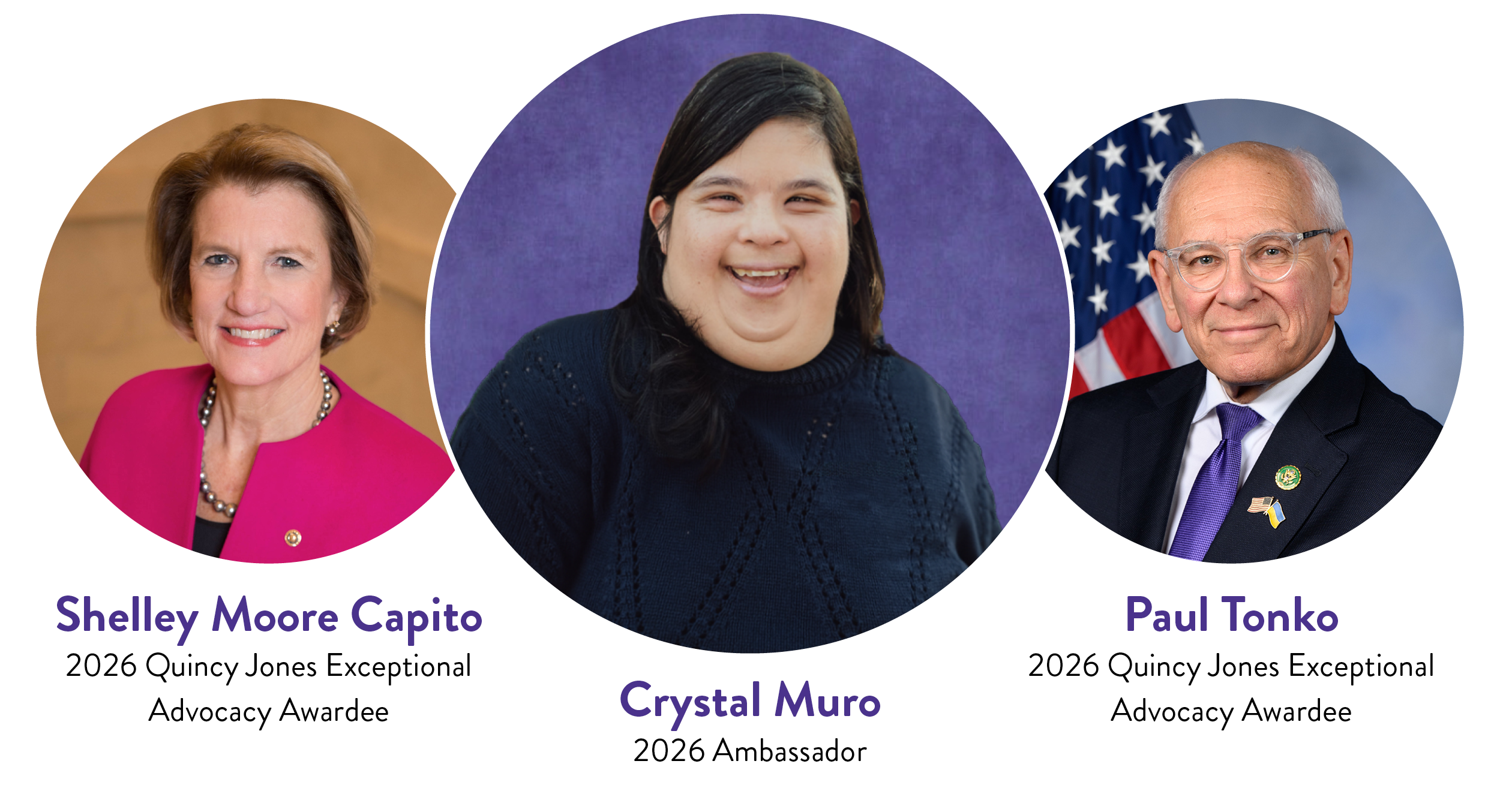
DENVER – March 10, 2026 – The Global Down Syndrome Foundation (GLOBAL) announced today that Emmy Award-winning, multi-platinum singer-songwriter Rachel Platten, and GLOBAL Ambassador Crystal Muro, will headline the 2026 AcceptAbility Gala on Wednesday, May 20, at the JW Marriott Washington, DC.

“The AcceptAbility Gala is an opportunity to celebrate the abilities of those with Down syndrome and new life-changing federally funded research. It is also an opportunity to educate Congress and the community about the transformative DeOndra Dixon INCLUDE Project Act that ensures we continue to elongate life and improve health outcomes for people with Down syndrome,” explained GLOBAL President & CEO Michelle Sie Whitten.

The annual bipartisan gala will honor Sen. Shelley Moore Capito (R-W.Va.) and Rep. Paul D. Tonko (D-N.Y.) who will receive GLOBAL’s highest distinction, the Quincy Jones Exceptional Advocacy Award. The prestigious award recognizes Members of Congress from both sides of the aisle who have gone above and beyond to support GLOBAL’s mission, advancing federal research funding, medical care, and public policy that improves and elongates the lives of people with Down syndrome.

Past recipients include Reps. Diana DeGette, Robert Aderholt, Tom Cole, Rosa DeLauro, Richard Hudson, Lois Frankel, Pete Sessions, Eleanor Holmes Norton, Cathy McMorris Rodgers, Katherine Clark, and Pete Stauber; and Sens. John Hickenlooper, Jerry Moran, Steve Daines, Roy Blunt and Tom Harkin.

Crystal Muro will be formally inaugurated as a GLOBAL Ambassador and deliver a keynote address. A longtime role model and self-advocate, Crystal’s resilience, warmth, and leadership embody the extraordinary contributions people with Down syndrome bring to their families, workplaces, and communities. From her years of volunteering at the Tustin Area Senior Center to her active engagement with the Regional Center of Orange County, Crystal exemplifies community engagement and service. An avid artist and natural performer, she is known for spreading happiness through her creativity and generosity. Crystal will be joined by her sister and long-time GLOBAL supporter, Liz Mahar, Deputy Vice President of Advocacy and Strategic Alliances at PhRMA.


The evening will be co-emceed by power-couple, John Roberts, co-anchor of America Reports on Fox News, and Kyra Phillips, award-winning correspondent and anchor for ABC News.  

The AcceptAbility Gala begins at 6:00 p.m. with a reception and celebrity red carpet followed by dinner, a live auction, the integrated dance team RhythmXpress and soloist Robert Wallop — both from the DC region, and award presentations including the Tom Cole & Rosa DeLauro GLOBAL Advancement Awards which provide scholarship funds to promising post-secondary students with Down syndrome. Celebrity guests are expected to include three-time Emmy Award-winning former WJLA ABC News anchor Autria Godfrey, and six-time Emmy® Award-winner and NBC News’ chief political analyst Chuck Todd.

The evening will conclude with a performance by Rachel Platten. Rachel is an Emmy Award-winning, multi-platinum artist, songwriter, and activist whose music embodies empowerment, hope, and resilience. She first captivated the world with her breakout anthem “Fight Song” – an enduring cultural touchstone that topped charts globally, inspired movements, and has now been streamed over 3 billion times worldwide.

In 2020, she joined GLOBAL’s Be Beautiful Be Yourself Fashion Show where she captured the hearts of the Down syndrome community with her moving performance of another one of her hit songs, “Better Place.” Most recently, with the release of Fight Song (Rachel’s Version), Rachel launched a landmark new chapter — reimagining her most iconic Wildfire-era songs with renewed depth and resonance.

The AcceptAbility Gala raises critical funds to support GLOBAL’s life-saving advocacy, groundbreaking research, and specialized medical care for children and adults with Down syndrome. The event uniquely convenes policymakers from both parties, leading scientists from the National Institutes of Health (NIH), corporate leaders, celebrities, and the Down syndrome community for an evening dedicated to advancing inclusion, innovation, and improved health outcomes.  

Down syndrome is the most common chromosomal condition, affecting an estimated 400,000 Americans, yet it has long been one of the least-funded genetic conditions at the NIH. With GLOBAL’s leadership bringing together multiple stakeholders, the NIH Down syndrome research and medical care budget has increased by $440 million over the last seven years.

The AcceptAbility Gala Board consists of prominent leaders in business, government relations, and the Down syndrome community including Jan Adams, Founder & CEO, JMA Solutions; John Ashbrook, Founding Partner, Cavalry LLC; Amy Best Weiss, Executive Vice President, Global Government Affairs, American Express; Kevin Brennan, Principal, Bluebird Strategies; Pasquale “Pat” DiFrancesco, Vice President, Advanced Advocacy; Emilie Eager, Director of Business Development, Julie Parker Communications; David Egan, Quincy Jones Awardee, self-advocate and author; Felicia Emry, Life Skills Director, Heaven on Earth NOW; Natalie Farr Harrison, Senior Vice President Government Relations, Avoq; Guy Harrison, Partner, OnMessage, Inc.; Liz Mahar, Deputy Vice President, Advocacy & Strategic Alliances, PhRMA; Erin Book Mullen, Principal, Williams & Jensen, PLLC; Matthew Perin, Head of Government Relations and Regulatory Affairs, Kroger; Cliff Riccio, Senior Vice President & Chief, Government Relations, NCTA; Julie Riccio, Director of Regulatory Affairs and Public Policy, PwC; Frank Stephens, GLOBAL board member, Quincy Jones Awardee, Ambassador, self-advocate and actor; Richard Waysdorf, General Counsel and Board Secretary, Global Down Syndrome Foundation; and Michelle Sie Whitten, President & CEO, Global Down Syndrome Foundation.  

AcceptAbility Gala tickets, tables and sponsorships can be purchased online at www.globaldownsyndrome.org.

Members of Congress and congressional staff interested in attending should contact advocacy@globaldownsyndrome.org. Media inquires, photos, and B-roll are also available upon request to Shawn Flaherty at 703-554-3609.

Rallies Bipartisan Support for the DeOndra Dixon INCLUDE Project Act
 

We Need Your Help! Contact Your Members of Congress Today

Get Inspired: View all photos

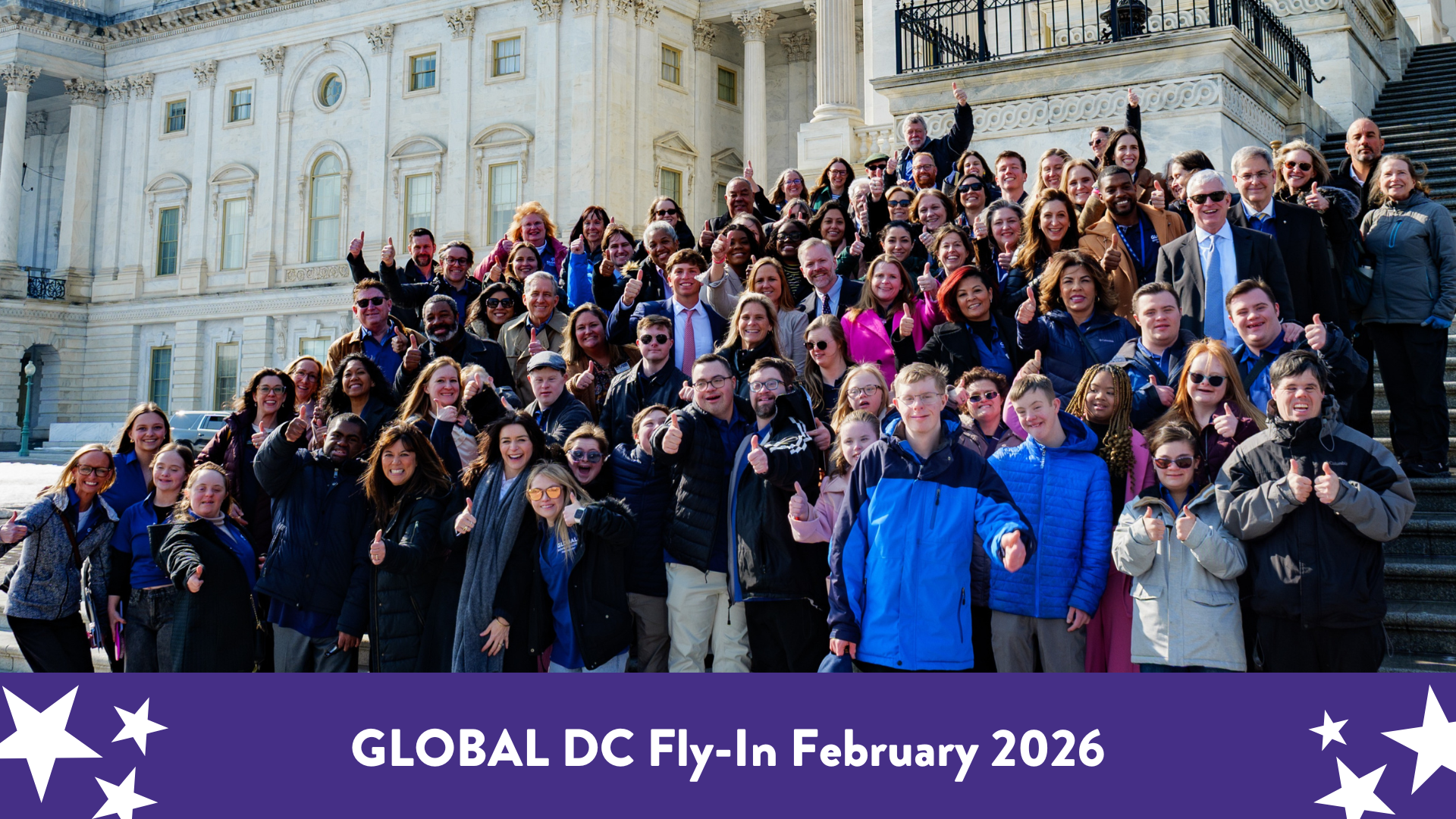
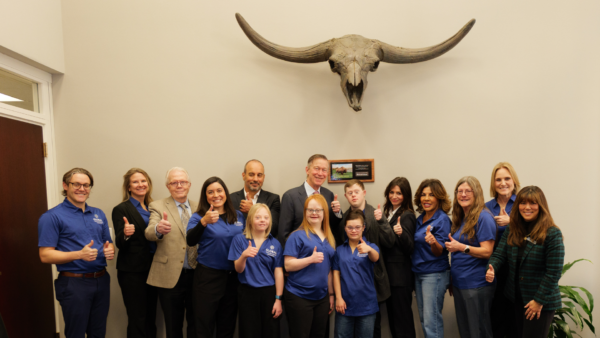
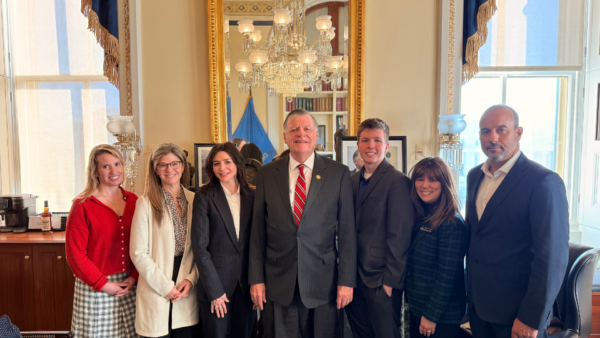
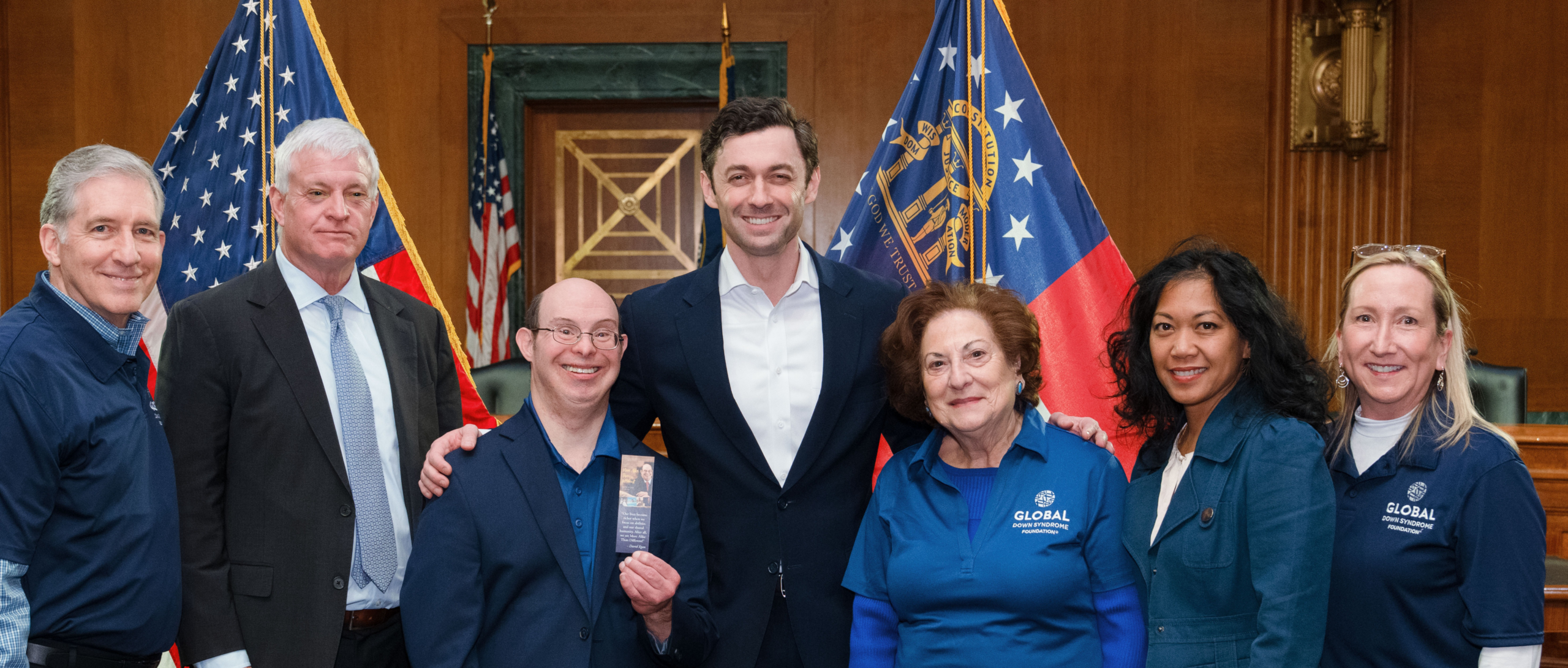
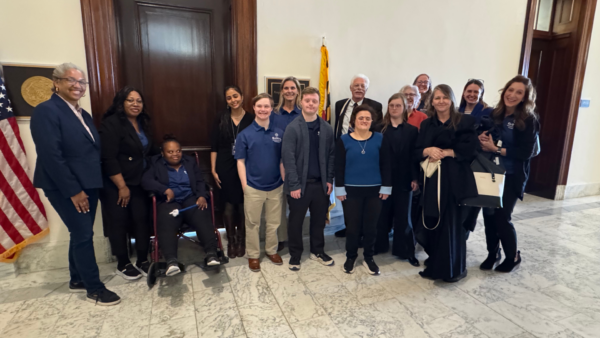
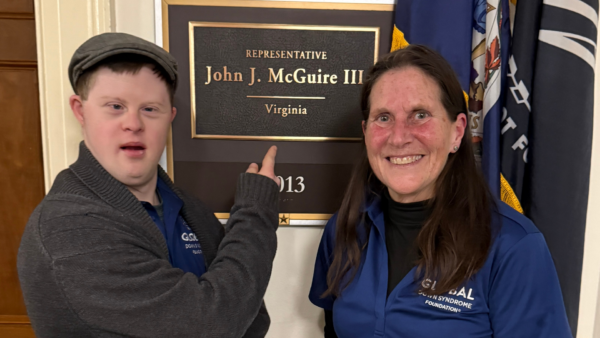
The Global Down Syndrome Foundation (GLOBAL) concluded a highly successful three-day fly-in to Washington, D.C. earlier this month, bringing together 120 dedicated supporters from 22 states and Washington, DC to advocate for congressional passage of the DeOndra Dixon INCLUDE Project Act (H.R. 3491; S.1838).

Throughout the fly-in, GLOBAL advocates met with 87 Members of Congress and their congressional staff. Meetings included key members of the House Appropriations and Energy & Commerce Committees and Senate Appropriations and HELP Committees to directly address the impact of the National Institutes of Health (NIH) Down syndrome research program called the INCLUDE Project.

“People with Down syndrome bring both sides of the aisle together and that is a beautiful thing,” says GLOBAL President and CEO Michelle Sie Whitten. “Our GLOBAL advocates did an amazing job meeting with Members and staff and explaining the importance of the continuation and increased funding for the NIH INCLUDE Project. We could not have come this far without the leadership and dedication of our Congressional and NIH Champions, dedicated scientists and clinicians, and our brilliant self-advocates and family members.” 


Key Highlights of the 2026 GLOBAL DC Fly-In:

  • Training: GLOBAL held a training dinner to review the impact of the DeOndra Dixon INCLUDE Project Act and update advocates on how NIH Down syndrome research is already improving the health of individuals with Down syndrome across the country.
    • The bill is named in honor of the life and legacy of DeOndra Dixon, beloved GLOBAL Ambassador and inspiration behind GLOBAL’s highest honor, the Quincy Jones Exceptional Advocacy Award. DeOndra keynoted at conferences around the country and the world and was a fixture at GLOBAL events along with her big brother Jamie Foxx as well as her loving extended family. She was a talented dancer and musician who performed at the 52nd Grammy Awards.
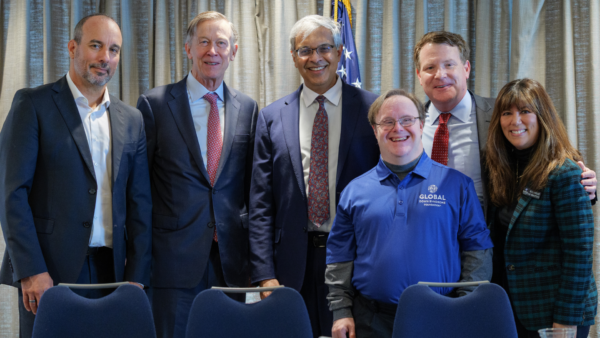
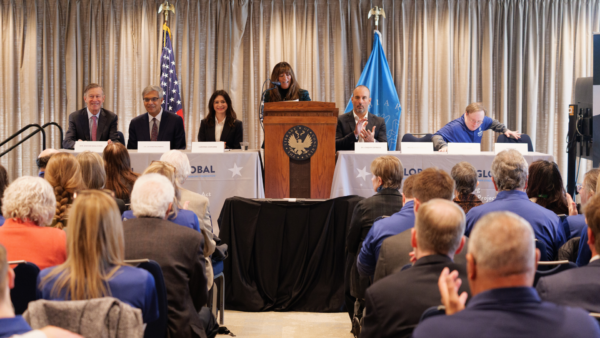
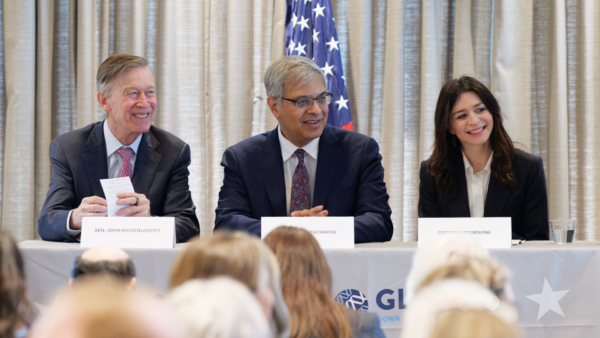
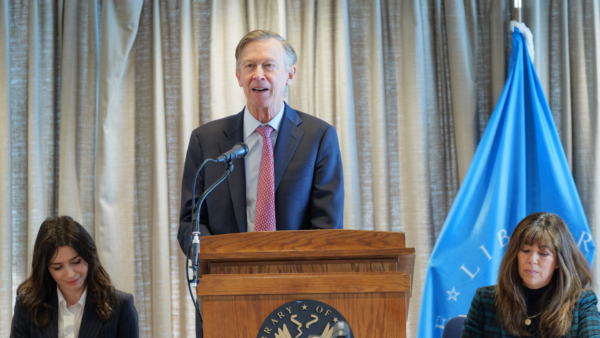
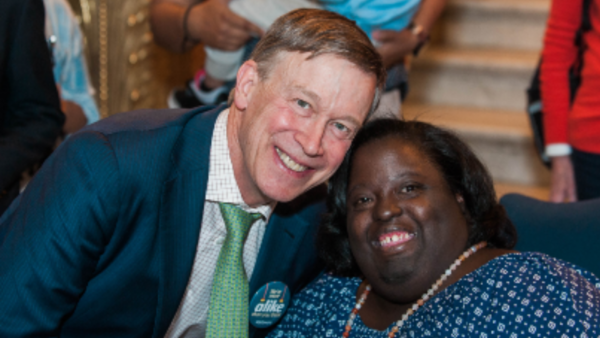
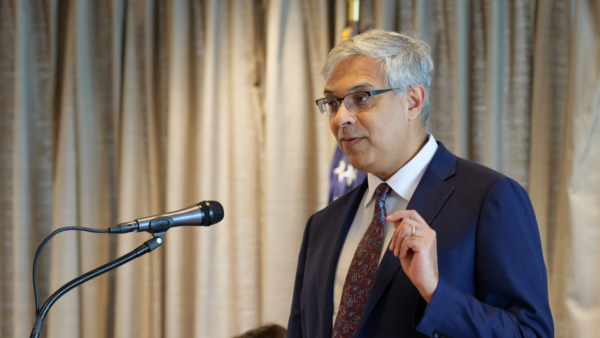
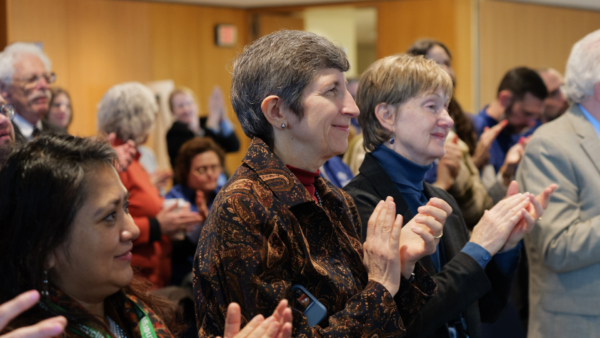
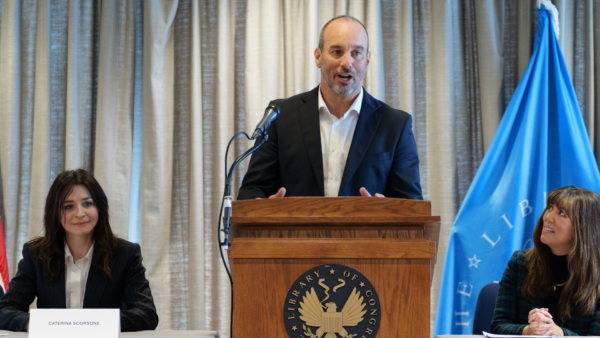
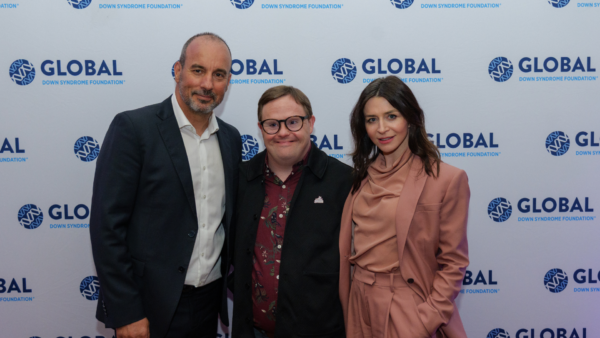
  • Congressional Briefing: GLOBAL organized a Congressional Briefing attracting over 150 attendees featuring keynote speakers Senator John Hickenlooper (D-CO), Director of the NIH Dr. Jay Bhattacharya, GLOBAL International Spokesperson and Grey’s Anatomy Actor Caterina Scorsone, GLOBAL International Spokesperson and Board Member Frank Stephens, Executive Director of the Crnic Institute for Down Syndrome Dr. Joaquin Espinosa, and President & CEO of GLOBAL Michelle Sie Whitten.
  • Advocacy & Bipartisan Support: GLOBAL Advocates met with 87 Member Offices including 18 Member level meetings. To date, there are 24 cosponsors of the DeOndra Dixon INCLUDE Project Act.

“What Michelle, her family and the GLOBAL team have done is truly remarkable. They have literally put Down syndrome research on the map, working with self-advocates and Congress to create a Down syndrome research program at NIH that is already improving health outcomes. With leadership from Senators Jerry Moran, Cory Booker and Markwayne Mullin, we need to codify this work through the DeOndra Dixon INCLUDE Project Act. Every time I hear the words DeOndra Dixon, it puts a smile on my face because she was a joyful warrior,” says Senator John Hickenlooper. “The bill that we are working on, the fact that it has her name, gives it a superpower.”

“At the NIH, we have a long-standing commitment for advancing research on Down syndrome,” says Director of the National Institutes of Health and Acting Director of the Centers for Disease Control and Prevention Dr. Jay Bhattacharya during his speech at the Global Down Syndrome Foundation Congressional Briefing. “Between the fiscal year 2011 and fiscal year 2025, the NIH increased investment in Down syndrome research by 500%. This growth reflects scientific opportunity as well as energy, partnership and persistence of GLOBAL and the Down syndrome community. I look forward to a day people with Down syndrome can live longer and healthier lives.”

“As the proud mom of Pippa, who happens to have Down syndrome, it has been deeply rewarding to partner with Michelle and her wonderful team at GLOBAL,” says GLOBAL International Spokesperson and award-winning Grey’s Anatomy actor Caterina Scorsone. “It is exciting to be part of GLOBAL’s advocacy in DC that will no doubt see the DeOndra Dixon INCLUDE Project Act pass so that people with Down syndrome can live longer, healthier lives. The energy and excitement at our Congressional Briefing and the connectivity made at our meetings was truly inspirational.”

GLOBAL Spokesperson and Quincy Jones Advocacy Awardee, Author, Actor and Public Speaker Frank Stephens provide an important self-advocate perspective at the GLOBAL Congressional Briefing, “Not everyone offers love and acceptance to people with an extra chromosome. Millions of people view our extra chromosome as a mistake to be fixed or eliminated. I know I am lucky to be at the helm of this GLOBAL movement, and to live in the US during this moment in history where I am valued and where I get to tell our government that my life is worth living.”

“Formally authorizing the DeOndra Dixon INCLUDE Project Act beyond an annual congressional directive will ensure that people with Down syndrome are not left behind when it comes to participating in clinical trials; it will improve health outcomes and improve their quality of life; and it will send a strong message that our society values and wants to invest in the future of our children and adults with Down syndrome and their families,” says Executive Director of the Crnic Institute for Down Syndrome Dr. Joaquín Espinosa. “What GLOBAL has done here in DC in transformative, lifesaving and has moved Down syndrome from the least funded genetic condition at the NIH to a period of research renaissance.”

The seventeen local Down syndrome organizations who supported the GLOBAL DC Fly-In were pleased with the results and optimistic that the passage of this landmark bill will happen during the 119th Congress.

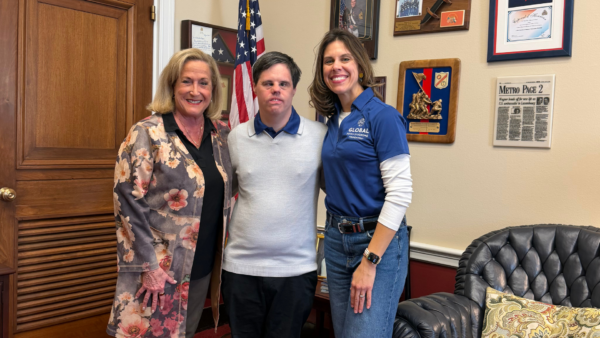
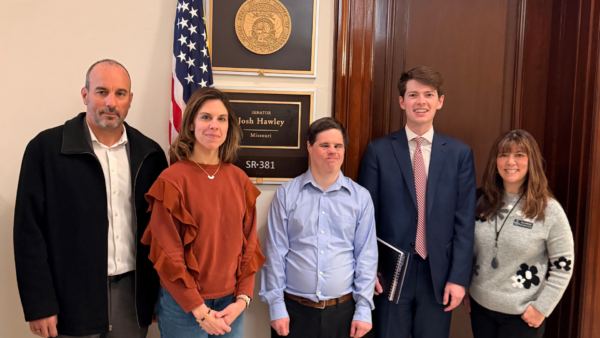
“We were so pleased that our Representative Ann Wagner signed up to cosponsor the DeOndra Dixon INCLUDE Project Act on the spot!” says Executive Director of the Gateway Down Syndrome Association Erin Suelmann. “My brother Andrew played a key role in our meetings, and we are hopeful that Senators Josh Hawley and Eric Schmitt will also come on board. We are energized by the momentum GLOBAL has built and look forward to seeing this important legislation pass this year.”

“DSA of Central Oklahoma is a long-time supporter of the Global Down Syndrome Foundation, and their government advocacy work that resulted in the establishment of the trans-NIH Down syndrome research program called the INCLUDE Project,” says Executive Director of the Down Syndrome Association of Central Oklahoma Sarah Soell. “We know first-hand from our families that the increased research funding is making a difference. We see real progress in the treatment of the many co-occurring conditions that we see in people with Down syndrome, including autoimmune conditions, regression disorder, sleep apnea, Alzheimer’s and more. Given the nearly twenty years of Down syndrome being the least funded genetic condition at the NIH prior to the INCLUDE Project, it is so important to pass this bill. We were so pleased that our representative Ephraim Bowling was able to join GLOBAL in meeting with Members of Congress and share his hope for a brighter future for his sister, Joy.”

GLOBAL had advocated for a trans-National Institutes of Health (NIH) Down syndrome research program since its inception in 2009. In 2017, three GLOBAL senior leaders, including board member, Frank Stephens, testified at the landmark House Appropriations Subcommittee on Labor, Health, and Human Services, Education, and Related Agencies Hearing entitled “Down Syndrome: Update on the State of the Science and Potential for Discoveries Across Other Major Diseases.” Frank Stephens’ testimony went viral that evening with 1 million views and today has over 200 million views. Shortly after the hearing, GLOBAL’s long-time advocacy goal was fulfilled, and the NIH established the INCLUDE (Investigation of Co-occurring conditions across the Lifespan to Understand Down syndrome) Project.

Since the INCLUDE Project was established as part of the FY2018 Labor-HHS appropriations bill, the program has funded nearly 500 unique awards from 21 of the 27 NIH institutes. At least eleven of these institutes did not participate in Down syndrome research prior to this program. The INCLUDE Project has also supported the development of the clinical trial infrastructure. Prior to the program, there were only two NIH clinical trials focused on people with Down syndrome. In just seven years, the INCLUDE Project is funding fifteen promising clinical trials with possible immediate or short-term impact for people with Down syndrome.

DeOndra Dixon INCLUDE Project Act Cosponsors (S. 1838; H.R. 3491)

  1. Senator John Hickenlooper (D-CO)*
  2. Senator Jerry Moran (R-KS)*
  3. Senator Cory Booker (D-NJ)
  4. Senator Markwayne Mullin (R-OK)
  5. Senator Michael Bennet (D-CO)
  6. Senator Alex Padilla (D-CA)
  7. Senator Shelley Moore Capito (R-WV)
  8. Senator Christopher Coon (D-DE)
  9. Senator Chris Van Hollen (D-MD)
  10. Representative Diana DeGette (D-CO-01)*
  11. Representative Richard Hudson (R-NC-09)*
  12. Representative Tom Cole (R-OK-04)
  13. Representative Rosa DeLauro (D-CT-03)
  14. Representative Pete Stauber (R-MN-08)
  15. Representative Paul Tonko (D-NY-20)
  16. Representative Brittany Pettersen (D-CO-07)
  17. Representative Angie Craig (D-MN-02)
  18. Representative Jason Crow (D-CO-06)
  19. Representative Joe Neguse (D-CO-02)
  20. Representative Mark Pocan (D-WI-02)
  21. Representative Ann Wagner (R-MO-02)
  22. Representative Deborah Ross (D-NC-02)
  23. Representative David Kustoff (R-TN-8)
  24. Delegate Eleanor Holmes Norton (D-DC)

The GLOBAL DC Fly-In concluded with a reception highlighting the achievements of the delegation and celebrating future advocacy efforts with dinner and dancing.

Please contact your U.S. Representatives and Senators and urge them to cosponsor the DeOndra Dixon INCLUDE Project Act.

GLOBAL Affiliate, the Crnic Institute for Down Syndrome, has five clinical trials specifically for patients with Down syndrome: Two in Alzheimer’s and Down Syndrome, one in Down Syndrome Regression Disorder, and two in autoimmunity and inflammation.

To read about the impactful research that the INCLUDE Project has funded visit the NIH Down Syndrome Coordinating Center Website.


About Global Down Syndrome Foundation

The Global Down Syndrome Foundation (GLOBAL) is the largest non-profit in the U.S. working to save lives and dramatically improve health outcomes for people with Down syndrome. GLOBAL established the first Down syndrome research institute and supports over 400 scientists and over 2,700 patients with Down syndrome from 35 states and 11 countries. Working closely with Congress and the National Institutes of Health, GLOBAL is the lead advocacy organization in the U.S. for Down syndrome research and care. GLOBAL has a membership of over 130 Down syndrome organizations worldwide, and is part of a network of Affiliates – the Crnic Institute for Down Syndrome, the Sie Center for Down Syndrome, the University of Colorado Alzheimer’s and Cognition Center – all on the Anschutz Medical Campus, and the GLOBAL Adult Down Syndrome Clinic at Denver Health.

GLOBAL’s widely circulated medical publications include Global Medical Care Guidelines for Adults with Down Syndrome, Prenatal & Newborn Down Syndrome Information, and the award-winning magazine Down Syndrome World TM. GLOBAL also organizes the annual AcceptAbility Gala in Washington, DC, and the annual Be Beautiful Be Yourself Fashion Show, the largest Down syndrome fundraiser in the world.

Visit globaldownsyndrome.org and follow us on social media Facebook, X, Instagram, LinkedIn, and YouTube.

Media Contact:
Anca Elena Call, acall@globaldownsyndrome.org, C: (720) 320-3832

Alex Lee, alee@globaldownsyndrome.org, C: (720) 382-8451


Founded in 2022, Down Syndrome Connections Nevada has quickly established itself as a leading resource for people with Down syndrome and their families living in, and moving to, the Silver State.

Recently, GLOBAL Vice President – Strategic Alliances, David Tolleson, met with Lisa Holmquist, President of Down Syndrome Connections Nevada (DSCNV), to learn more about this growing organization and its positive impact locally and throughout the western U.S.

DAVID: Thank you for joining us today, Lisa! Will you please start by sharing a bit about yourself and what led you to found Down Syndrome Connections Nevada?

LISA: My family moved to Nevada in 2013 after a couple of years in Southern California. But before that, I raised my family, including my son with Down syndrome, in Minnesota. He was born in 1997. I encountered the Down Syndrome Association of Minnesota (DSAMN) right after Peter was born and had a great experience with them.

DAVID: DSAM is a great organization.

Unfortunately, when we moved to Nevada, many of the things I valued about DSAMN I couldn’t find here. There was an organization with some programming, but that didn’t really fit my family’s needs or wants, but we participated because we wanted to be part of the community. Vegas was always supposed to be a temporary stop, which is how most people who move here think.

LISA: We really came to love our new state and new community, but decided that if we were going to stay, we needed an organization that provided some of the services we’d grown used to in Minnesota, such as the education piece and an emphasis on research. We know that the lifespan of people with Down syndrome is increasing and that we’re going to be hit by a tsunami of self-advocates who are going to need to be housed and supported without their parents. It’s going to be dire if we don’t plan correctly for the future now. So that was the impetus.

We were founded in December 2021, when we held our first event. A group of us got together to go bowling and to talk about what our organization would be all about. We started off as Down Syndrome Connections Las Vegas. We quickly incorporated and were certified as a 501(c)(3) non-profit in March 2022, so we’re just beginning our fifth year. We focused on free and low-cost opportunities for the people we serve, but also for our organization, so we were able to do a lot with a little. Despite being so new and having little money, we were able to host our first conference in 2022.

DAVID: We’d love to hear more about your annual conference.

Lisa: It’s a labor of love. It takes about 9 months of planning. We started the conference because one of our founding members was a professor at the University of Nevada – Las Vegas (UNLV) and was so supportive of this concept and bringing it to our community. The first one was at UNLV, the next two at the Medical School, and last year at Faith Lutheran, where we’ll be again this year.

The conference started out with a very medical bent. We targeted healthcare providers as speakers, but also so they could learn about our individuals with Down syndrome, how different they are, and how to help them. It’s evolved into a very comprehensive conference that is a micro version of the National Down Syndrome Congress convention. The format has something for everyone. We have a keynote speaker who talks on a big picture topic, and we have breakout sessions geared to different ages and stages, so everyone has something to attend. It has evolved into a very well-attended event, with people coming from all over the western United States to participate. We wanted it to be non-Nevada specific by design, so that people could fly in and see a show on Friday night, attend the conference on Saturday, and have a nice relaxing Sunday morning before heading home. Our goal is to have attendees leave feeling empowered and knowing that there’s a community here in southern Nevada that’s going to help them figure it out, whatever their needs are.

DAVID: Every community needs something like that.

LISA: I think there are pockets all over the place and people just need to find them. Sometimes, families just don’t know about them. I just talked to a family yesterday who has a 50-year-old with Down syndrome who has lived here his entire life. I’d never met them before. They needed some help because their family situation had changed drastically. They didn’t know about us but, thankfully, found us on the internet.

DAVID: Thank goodness. You were fortunate starting out with DSAMN. We’ve worked with Sarah Curfman and, before her, Kathleen Forney, for years and they’re great. But when my wife and I got the diagnosis on our son, we had to call a friend of a friend of a friend to figure out where to start and how to navigate Katie Beckett and early intervention programs. It’s harder than it needs to be and it’s good to have organizations like yours that can help.

LISA: When people call me and tell me they’re frustrated and concerned with finding the right resources, I tell them it’s okay – it’s my first time, too. I have a 28-year-old son with Down syndrome and every stage of his life I learn new things, for example SSI and employment and Medicaid.

DAVID: DSCNV is moving into new areas. Tell us a bit more about that.

LISA: Well, I’ll start by talking about our board’s recent strategic planning, because we’re looking into the future about what our community is going to need that it might not have after some cuts happen, after education is changed dramatically? So, for us, we’re looking at what we are good at in terms of programming and where are the gaps in the Down syndrome community that will really hurt the most? Where are we going to need to provide direct services? In Nevada we have very limited funds available, especially for populations with higher needs. We have 30-year-olds who are still non-verbal or 15-year-olds who are not completely mobile by themselves and those caregivers are overburdened and there no funds to help. So, we are going to try to fill in the gaps the best we can by writing some grants to provide services to families who are especially hard hit, people whose entire lives are consumed by caring for their child. My son, Peter, has medium needs. He’ll never be a movie star and probably won’t live independently because his skills aren’t at the level where that would be safe, but he can go and do fun things and he does and we’ve got that covered in Vegas. But for those families where the caregivers are older, may have trouble driving, have their own cognitive decline, or are caring for a 50-year-old showing signs of dementia they need help and we want to provide it.

We’ve teamed up with Nevada’s first full-time geneticist to provide help to brand new families to answer questions they may have. We’re working with our local GiGi’s Playhouse to make sure they have help finding the services they need, whether that’s financial, or finding a mom who’s had similar experiences to be a mentor, and to provide a community to ensure everyone feels welcomed in.

DAVID: You recently changed your name from Down Syndrome Connections – Las Vegas, to Down Syndrome Connections Nevada. Why the change and why now?

LISA: It actually originated at a Down Syndrome Affiliates in Action (DSAIA) conference a couple of years ago. I was meeting with some wonderful Down syndrome affiliate leaders from states where their budgets are in the millions of dollars. One of the leaders was with an organization that has a city name rather than a state name, but they serve 27 counties. Their one regret was that they didn’t change to a statewide name early on, before their current name got so much recognition. Also, I’m familiar with the Down Syndrome of Minnesota, which serves a state with a similar population spread to Nevada. In Nevada, 75% of the population lives in Clark County, another 12% lives in the Reno/Tahoe/Carson City area, and the rest of the counties are rural and sparsely populated. That’s similar to Minnesota, where 80% of the population is in the Twin Cities and the remainder spread across the state. So, DSAMN provided a good model. Also, we have an excellent relationship with our sister organization, the Down Syndrome Association of Northern Nevada, in Reno. They are absolutely wonderful and serve their families so well. We have a great, reciprocal relationship. We also want to help families in smaller communities start their own organizations but have our support and be able to come in under our nonprofit umbrella while they’re getting started. Elko, for example, is 5 hours from Reno, 5 hours from Bozeman, MT, where the hospital is, and 8 hours from Las Vegas. We want everyone to have access to support and services. We want to help people make the connections they need.

DAVID: DSCNV is accredited through DSAIA and has earned a Platinum Transparency rating with @CandidDotOrg (formerly Guidestar). Why was it important to you to take the extra steps needed to achieve these milestones?

LISA: There are so many nonprofits in Las Vegas and what sets us apart is our commitment to transparency financially and to the best practices of running an organization that’s going to be asking people for donations. Currently, we are a 100% volunteer-run organization; however, we wanted to set ourselves up with a professional framework from the beginning to accommodate a growing organization that may one day have staff. The DSAIA accreditation process helped us with some things that, frankly, we didn’t even know we needed. With that being said, there are always things to improve, so we work on those.

We’re fortunate to have a thoughtful, deliberative Board, rather than one that automatically says “yes” to everything. For example, we just updated our mission statement and rather than just take the first thing offered, they morphed it into something that’s lovely and completely encapsulates what we do and what we want to accomplish – “Nurturing people with Down syndrome and their families through community and connections.”

DAVID: That speaks well not only of your Board, but of the atmosphere that you have created so that didn’t just take the first one and say, “okay, that’s fine”, then think to themselves, “well, it’s just okay.” They felt secure enough and excited enough about your mission to participate and you came up with something even better than what you proposed initially.

LISA: When I started thinking about starting an organization and the people who would be in it, it was never intended to be just me leading, because I have a life outside of Down syndrome. I’ve intentionally told the Board we need to find a successor sooner rather than later. This isn’t my organization, it’s our organization, so giving my Board the opportunity to lead, rather than be led, has always been on my mind.

DAVID: We are very grateful that DSCNV supports GLOBAL’s research, medical, and advocacy efforts through your Organization Membership. It’s also been our pleasure to support your work through an Education Award. Why is it important to you to support the work that GLOBAL is doing?

LISA: We have always felt that the national organizations do work we can’t and GLOBAL’s work in research is so critical to make that next generation of aging people with Down syndrome and the next generation of babies being born successful, healthy, happy, and more fully included in society. GLOBAL’s outreach, publications, and intentional research happens because people support Global Down Syndrome Foundation. We are thrilled to be part of the GLOBAL Adult Guidelines as an organization. We didn’t have a lot of money when we made a five-year pledge to that project, but guess what? We’ve raised the money, because we knew it was important and we happily give it to help the Adult Guidelines get updated and expanded.

DAVID: And we are very grateful for your support!

LISA: Thank you. You’re welcome!

DAVID: Is there anything else you’d like to share that we haven’t covered?

LISA: Well, I do want to touch on what receiving the GLOBAL Education Award meant to us. We received it for our second annual conference and that money was so helpful! Especially as a newer conference, we knew that finding speakers who are at the top of their field would be difficult. We couldn’t have done that without the GLOBAL Education Award. That early boost really helped our conference start off strong and that continues through today. And, because we were applying for a GLOBAL Award, it really helped us learn how to write grant applications, but to do so with a friendly funder who could provide guidance and feedback. It’s very intentional on GLOBAL’s part about what you ask and how you ask it and has helped us learn and grow as we write other grant proposals. And, I still apply for the GLOBAL Education Award every year.

If I’m no longer doing what I’m doing, the part I’ll miss is speaking to those brand new families, which is my favorite part. I love it! Hearing their questions and their different takes on what they need, seeing the friendships that develop, and watching people grow – even seeing a 50-year-old with Down syndrome learn a new skill and finding pride in doing something they’ve never tried before, these are things that are so small and funders don’t care about it, but I do. That’s why I do what I do every day.
Crnic Institute findings published in Cell Reports highlight understudied abnormal liver function in people with Down syndrome and possible dietary interventions

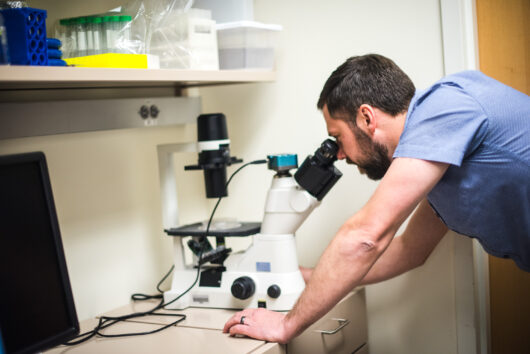
Researchers at the University of Colorado Anschutz Linda Crnic Institute for Down Syndrome (Crnic Institute) have uncovered compelling evidence that individuals with Down syndrome experience significant alterations in liver metabolism, including elevated levels of bile acids in the bloodstream and other biomarkers of liver dysfunction. The study, published in Cell Reports, suggests that these changes may be modifiable through diet, providing hope for improved health outcomes.

Results Identify Unique Liver Dysfunction in Down Syndrome

The liver is a dynamic and vital organ that removes toxins from blood, produces bile for fat digestion, metabolizes nutrients, and makes proteins for blood clotting, making it essential for detoxification, metabolism and immunity. Using multiomic analysis of plasma samples from more than 400 research participants in the Human Trisome Project, a large cohort study of the population with Down syndrome run by the Crnic Institute, the team identified consistent elevations in bile acids across the lifespan, independent of body mass index (BMI) or co-occurring conditions. Bile acids are molecules made from cholesterol in the liver that are crucial for digesting fats and fat-soluble vitamins in the small intestine, while also acting as signaling molecules that can regulate metabolism and inflammation.

The study also demonstrated that hepatocytes, the most abundant cells in the liver, derived from induced pluripotent stem cells donated by individuals with Down syndrome exhibit intrinsic metabolic dysfunction, including altered bile acid production and abnormally high fat storage. These cellular findings reinforce the systemic observations in research participants and point to a genetic basis for liver abnormalities in Down syndrome.

To better understand the mechanisms underlying liver dysfunction in Down syndrome, Crnic Institute researchers turned to the Dp16 mouse model, which mirrors many genetic features of Down syndrome. These mice exhibited striking abnormalities in the liver, including inflammation, fibrosis, and a ductular reaction, a phenomenon involving bile duct proliferation and remodeling of blood vessels. Metabolomic analysis revealed elevated bile acids like those observed in people with Down syndrome, and gene expression profiling uncovered widespread disruptions in metabolic and inflammatory signaling pathways. Notably, dietary fat intake profoundly influenced these outcomes: mice fed a high-fat diet developed steatosis, a form of liver disease, and exacerbated liver injury, while a low-fat diet mitigated these effects.
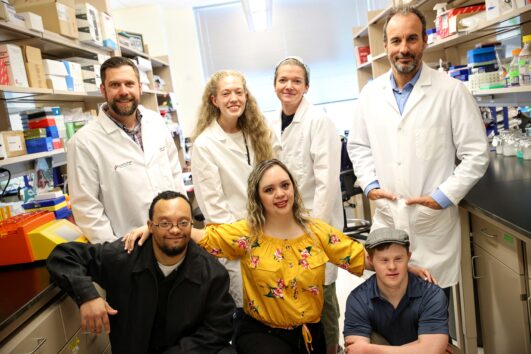
“Our data show that Down syndrome profoundly impacts hepatic metabolism,” says Kelly Sullivan, PhD, senior author and associate professor of Pediatrics at the University of Colorado Anschutz. “Importantly, we found that dietary fat intake can exacerbate or ameliorate these effects in the mouse models, suggesting that nutrition could play a key role in managing liver health in this population.”

“The study demonstrates the importance of combining human research studies with cellular and animal models to drive scientific discovery,” says Lauren Dunn, PhD, lead author of the study. “These findings open the door to practical interventions, where something as simple as dietary modification could significantly improve liver and overall health.”

A Healthy Liver is Vital to Living Longer with Down Syndrome

Liver disease affects up to 100 million adults in the U.S., yet its prevalence in Down syndrome has been poorly understood. This research provides comprehensive evidence of liver dysfunction in Down syndrome and underscores the importance of early monitoring and dietary strategies to reduce risk.

“The liver is an incredibly important organ for many biological functions across the lifespan, even mild liver dysfunction can have broad impacts on human health,” says Joaquín Espinosa, PhD, executive director of the Crnic Institute and professor of Pharmacology. “The fact that liver dysfunction had not been well documented in this population until now highlights the value of transformative research funding through the National Institutes of Health INCLUDE Project and the Global Down Syndrome Foundation.”

“GLOBAL is so grateful to our donors and research participants who make this kind of breakthrough research possible,” says Michelle Sie Whitten, president & CEO of the Global Down Syndrome Foundation (GLOBAL).  “Our dedicated scientists understand the importance of a healthy liver and related functions. With additional research in this area, we hope that more detailed information on diet and other treatments will help my 22-year-old daughter and millions of others with Down syndrome to live longer, healthier lives.”

The research team plans to explore clinical interventions, including low-fat diets and lifestyle modifications, to determine their impact on liver health in individuals with Down syndrome.

About the Linda Crnic Institute for Down Syndrome 

The Linda Crnic Institute for Down Syndrome is one of the only academic research centers fully devoted to improving the lives of people with Down syndrome through advanced biomedical research, spanning from basic science to translational and clinical investigations. Founded through the generous support and partnership of the Global Down Syndrome Foundation, the Anna and John J. Sie Foundation, and the University of Colorado, the Crnic Institute supports a thriving Down syndrome research program involving over 50 research teams across four campuses on the Colorado Front Range. To learn more, visit www.crnicinstitute.org or follow us on Facebook, Instagram, X, Bluesky, and LinkedIn @CrnicInstitute. 

About the University of Colorado Anschutz

The University of Colorado Anschutz is a world-class medical destination at the forefront of transformative science, medicine, education and patient care. The campus encompasses the University of Colorado health professional schools, more than 60 centers and institutes and two nationally ranked independent hospitals – UCHealth University of Colorado Hospital and Children’s Hospital Colorado – which see more than two million adult and pediatric patient visits yearly. Innovative, interconnected and highly collaborative, CU Anschutz delivers life-changing treatments, patient care and professional training and conducts world-renowned research fueled by $910 million in annual research funding, including $757 million in sponsored awards and $153 million in philanthropic gifts. 

About Global Down Syndrome Foundation 

The Global Down Syndrome Foundation (GLOBAL) is the largest non-profit in the U.S. working to save lives and dramatically improve health outcomes for people with Down syndrome. GLOBAL established the first Down syndrome research institute and supports over 400 scientists and over 2,700 patients with Down syndrome from 35 states and 11 countries. Working closely with Congress and the National Institutes of Health, GLOBAL is the lead advocacy organization in the U.S. for Down syndrome research and care. GLOBAL has a membership of 130 Down syndrome organizations worldwide, and is part of a network of Affiliates – the Crnic Institute for Down Syndrome, the Sie Center for Down Syndrome, the University of Colorado Alzheimer’s and Cognition Center – all on the Anschutz Medical Campus, and the GLOBAL Adult Down Syndrome Clinic at Denver Health.

GLOBAL’s widely circulated medical publications include Global Medical Care Guidelines for Adults with Down Syndrome, Prenatal & Newborn Down Syndrome Information, and the award-winning magazine Down Syndrome World TM. GLOBAL also organizes the annual AcceptAbility Gala in Washington DC, and the annual Be Beautiful Be Yourself Fashion Show, the largest Down syndrome fundraiser in the world. Visit globaldownsyndrome.org and follow us on social media Facebook, X, Instagram, and LinkedIn.